
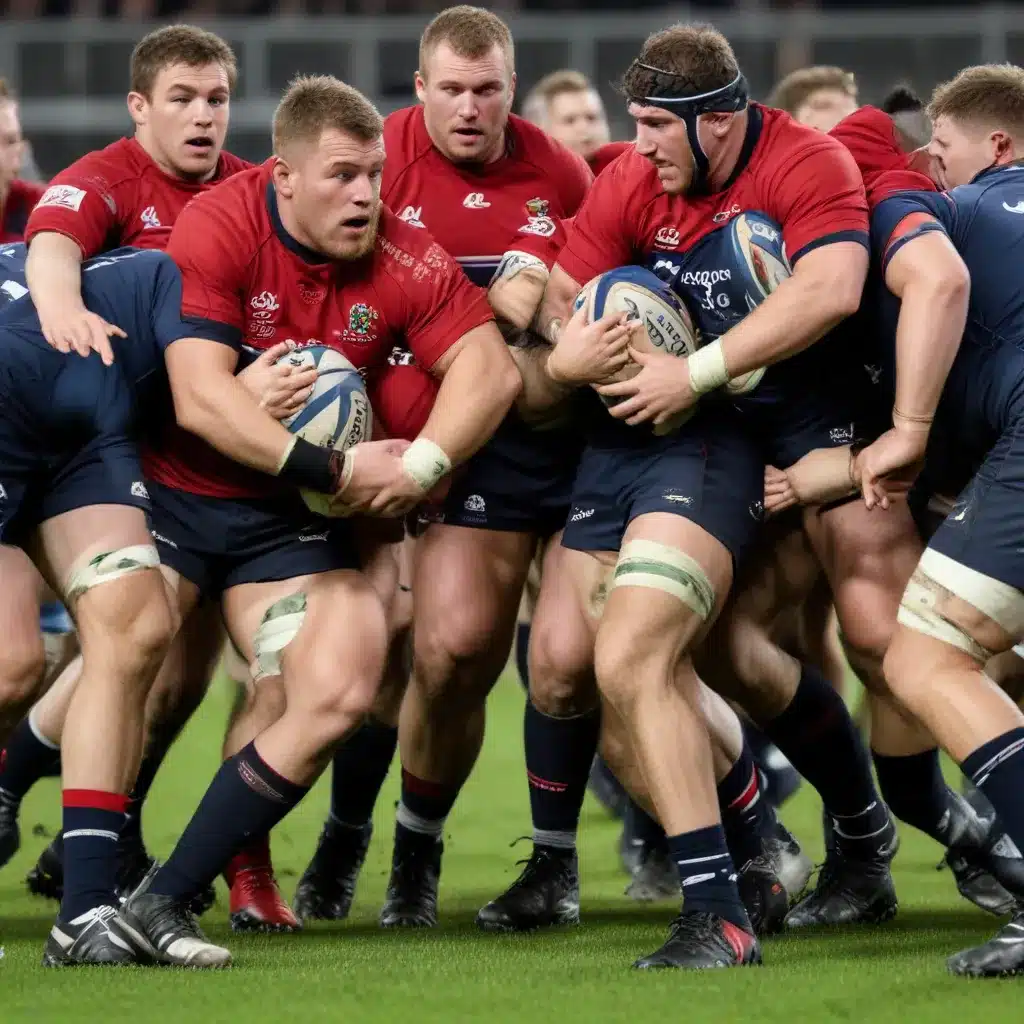
The Foundations of Scrum Dominance
As a seasoned rugby professional, I’ve had the privilege of witnessing the evolution of the sport’s most captivating and crucial set-piece – the scrum. This dynamic contest, where forwards from both teams bind together and engage in a battle of strength, technique, and strategy, is the lifeblood of the game. Winning the scrum can make the difference between victory and defeat, and mastering the art of powerful scrummaging is a cornerstone of any successful team’s arsenal.
In this comprehensive guide, we’ll delve into the secrets of dominant prop play and unlock the keys to unlocking scrum dominance. From the fundamentals of body position and binding to the nuanced tactics employed by the world’s best front rows, we’ll leave no stone unturned in our quest to empower both aspiring and seasoned rugby players alike.
Mastering the Prop’s Toolkit
At the heart of a powerful scrum lies the prop, the unsung hero of the forward pack. These players, often the unsung heroes of the game, are the engine that drives the scrum’s momentum, providing the raw power and stability that can make or break a team’s set-piece performance.
Body Position and Engagement
Maintaining a low, powerful body position is crucial for effective prop play. As GG Steenkamp emphasizes, props must engage their leg and core muscles to drive forward with maximum force. The head position is also vital, with the prop’s head placed in the middle of the tight head’s chest, creating a stable and secure base.
Binding Technique
Proper binding among teammates is essential for stability and strength in the scrum. The front row must bind tightly together, ensuring there are no gaps for the opposition to exploit. This requires excellent communication and coordination, as even the slightest gap can be the difference between a dominant scrum and a collapsing one.
Timing and Engagement
The timing of the ‘crouch, bind, set’ sequence is critical to scrum success. Teams often practice their scrum timing to perfection, as a well-coordinated push can catch the opposition off guard. The props must be in sync with their teammates, engaging the scrum with maximum force and precision at the right moment.
Pushing Strategies
When it comes to scrum dominance, there is no one-size-fits-all approach. Some teams prefer a more aggressive “hit and chase” strategy, where they drive forward as soon as the scrum engages. Others opt for a more controlled and sustained push, gradually overpowering their opponents. Mastering these different pushing techniques is essential for props to adapt to the unique demands of each match.
The Hooker’s Pivotal Role
Alongside the props, the hooker holds a unique and crucial position in the scrum. As the player positioned between the two props, the hooker is responsible for striking the ball back with their feet when it enters the scrum. This requires impeccable timing and precision, as a skilled hooker can disrupt the opposition’s scrum by striking for the ball at just the right moment.
By winning the ball or creating chaos for the opposing scrumhalf, the hooker can provide a significant advantage for their team. Developing the hooker’s striking abilities and their ability to read the opposition’s scrum is a vital component of any successful scrummaging strategy.
Scrum Tactics and Psychological Warfare
Winning the scrum is not just about raw power; it’s also about strategic thinking and psychological intimidation. Teams employ various tactics to gain the upper hand, from wheeling the scrum to splitting the opposition’s pack.
Scrum Tactics
Wheeling the scrum involves the deliberate twisting of the scrum to one side. This tactic can disrupt the opposition’s push and potentially win a penalty. Teams may also attempt to split the opposition’s scrum by driving a wedge between the front and second rows, destabilizing the opposing pack and creating opportunities for a steal.
Psychological Warfare
The scrum is a battle of wills as much as it is a physical contest. Teams often engage in psychological warfare, trying to intimidate and unsettle their opponents through aggressive shouts, facial expressions, or even subtle movements. This mental game can give teams a crucial edge, unsettling the opposition and forcing them to second-guess their own abilities.
The Referee’s Role and Rule Changes
The referee is a pivotal figure in the scrum, ensuring a fair and safe contest. They closely monitor the engagement, looking for any infringements or unsafe practices. Understanding the rules and the referee’s interpretation of them is crucial for both teams, as mistakes can lead to costly penalties or scrum resets.
Over the years, rugby’s governing bodies have introduced rule changes to make the scrum safer and more competitive. The ‘crouch, bind, set’ sequence, for example, was implemented to create a more stable engagement and reduce the risk of early collapses. The introduction of a straight feed into the scrum by the scrumhalf has also made the contest more fair and contestable.
These rule changes have had a significant impact on how teams approach scrummaging, forcing them to adapt and develop new strategies to gain the upper hand. As the sport evolves, the scrum will continue to be a captivating battleground where the world’s best forwards compete for dominance.
The Future of Scrum Dominance
The art of winning the rugby scrum is a multifaceted endeavor that goes beyond mere physicality. It involves a deep understanding of technique, strategy, and psychology. As the sport continues to evolve, so too will the methods and approaches to scrummaging.
Teams are now employing specialized scrummaging units within their forward packs, consisting of players who excel in this area. Scrum coaches have become an integral part of many professional rugby programs, working closely with the forwards to refine their skills and strategies.
Video analysis has also become a valuable tool in scrum preparation, allowing teams to study their own scrums and those of their opponents to identify weaknesses and opportunities for improvement. This constant pursuit of innovation and adaptation will ensure that the scrum remains a captivating and dynamic aspect of the game.
Whether you’re an aspiring prop, an experienced hooker, or a coach looking to take your team’s scrummaging to the next level, mastering the secrets of powerful scrummaging and dominant prop play is a journey that will challenge and reward you at every turn. By embracing the fundamental techniques, tactics, and mental strategies outlined in this guide, you’ll be well on your way to unlocking the true potential of your forward pack and leading your team to scrum dominance.
Remember, the scrum is not just about winning possession of the ball; it’s about seizing control of the game and setting the stage for victory. So, embrace the challenge, sharpen your skills, and get ready to dominate the set-piece battles that will define your team’s success on the rugby pitch.