
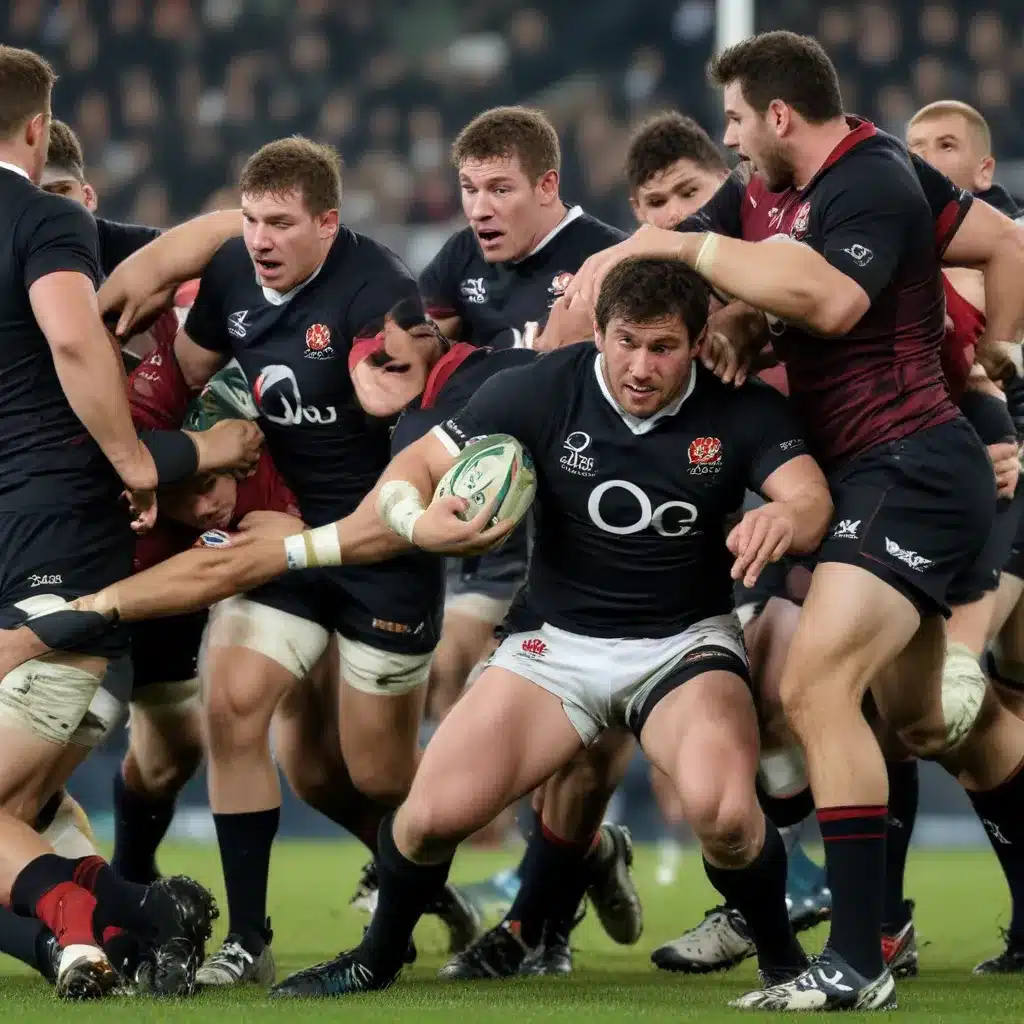
The Secondrow Position in Rugby
The secondrow, or lock, is one of the most pivotal positions in the modern game of rugby. These towering forwards are the engine room of the pack, responsible for providing the platform upon which the entire team’s performance is built. Gone are the days when the secondrows were merely enforcers tasked with disrupting the opposition – today’s elite locks must be multifaceted athletes, combining brute physicality with deft skills and tactical acumen.
At the heart of the scrum and the lineout, the secondrows are the unsung heroes who lay the foundations for their backline teammates to flourish. Their ability to dominate these set pieces can often be the difference between victory and defeat. But the demands of the position extend far beyond the tight confines of the set piece – the modern secondrow must also contribute significantly in the loose play, carrying the ball hard, making tackles, and providing a dominant presence all over the field.
The Secondrow’s Influence on Set Pieces
The scrum is where the secondrows truly earn their keep. As the central pillars in the engine room, they must use their immense strength and technique to drive their pack forward, denying the opposition possession and territory. A dominant scrum can set the tone for an entire match, demoralizing the opposition and providing a steady supply of quality ball for the backline.
Equally important is the secondrows’ role in the lineout. Their height and jumping ability make them invaluable assets, both in securing their own throw-ins and disrupting the opposition’s. The best locks are able to read the game and anticipate the lineout calls, positioning themselves to secure clean ball or steal possession. And when their team is in attacking positions, the secondrows must be able to direct the lineout, ensuring precision and execution in this crucial set piece.
Tactical Positioning of Secondrows
While the set pieces may be the secondrows’ bread and butter, their importance extends far beyond the tight confines of the scrum and lineout. Tactically, they must position themselves to maximize their influence on the game, both in attack and defense.
In attack, the secondrows are often tasked with carrying the ball hard into the heart of the opposition’s defense, using their size and power to gain precious meters. This not only helps advance their team’s position on the field, but it also creates space and opportunities for their backline teammates. Secondrows with the ability to offload in the tackle can be particularly devastating, keeping the opposition guessing and the attack flowing.
Defensively, the secondrows must be the marshals of the forward pack, organizing their teammates and ensuring a cohesive, aggressive defensive line. Their physicality and tenacity are crucial in slowing down the opposition’s momentum and forcing turnovers. The best locks are able to read the game and anticipate the direction of attacks, positioning themselves to make crucial interventions and disrupt the opposition’s rhythm.
Physical and Mental Attributes of Successful Secondrows
To excel in the demanding position of the secondrow, players must possess a unique combination of physical and mental attributes. Undoubtedly, size and strength are paramount – the modern game demands secondrows who can match up with the biggest and most powerful opponents. But pure size is not enough; these athletes must also have the technical skills and game awareness to make the most of their physical advantages.
Agility and mobility are essential, allowing secondrows to thrive in the loose play and contribute to the team’s attacking and defensive efforts across the entire field. Spatial awareness and decision-making are also critical, as these players must be able to read the game and position themselves strategically to disrupt the opposition and support their teammates.
Perhaps most importantly, secondrows must have an unrelenting work rate and a fearless, abrasive mentality. They are the enforcers of the pack, setting the tone with their physicality and aggression. The best locks are able to channel this intensity while maintaining composure and discipline, avoiding costly penalties that can swing the momentum of a match.
Developing the Skillset of a Secondrow
Becoming a truly outstanding secondrow requires a holistic approach to player development, with a focus on both physical and tactical attributes. Rigorous strength and conditioning programs are essential, building the size, power, and mobility needed to dominate at the highest levels. But this physical work must be complemented by a deep understanding of the game and the specific nuances of the position.
Dedicated technical and tactical training sessions are crucial, with a particular emphasis on mastering the set pieces. Scrum and lineout drills, coupled with video analysis and game-planning, help secondrows refine their techniques and decision-making in these pivotal areas. Equally important are exercises that develop the players’ spatial awareness, anticipation, and ability to read the game – skills that allow them to position themselves effectively and make an impact across all phases of play.
Off the field, mentorship and leadership development are vital components of a secondrow’s journey. The most successful locks are able to act as on-field generals, organizing their teammates and driving the team’s performance. Fostering these leadership qualities, both through formal training and by working closely with experienced coaches and teammates, is essential for unlocking the full potential of aspiring secondrows.
The Secondrow’s Contribution to Team Success
At the heart of any dominant forward pack, you will invariably find a pair of towering, influential secondrows. These players are the unsung heroes who set the tone for their team’s performance, providing the foundation upon which their backline teammates can thrive.
Through their mastery of the set pieces, their physicality and work rate in the loose, and their ability to lead and organize their teammates, the best secondrows are instrumental in driving their teams to success. They are the cornerstones of the forward pack, the pillars upon which an entire game plan can be built.
But the secondrow’s importance extends far beyond individual performance – these players also have a profound impact on the morale and confidence of the entire team. When the secondrows are dominating, it sends a powerful message to the opposition and inspires the rest of the squad to raise their own levels of intensity and execution.
Ultimately, the secondrow is one of the most critical and multifaceted positions in the modern game of rugby. These players are the engine room of the team, the driving force that propels their squad to victory. It is a position that demands the highest levels of physical, technical, and mental aptitude – and those who can rise to the challenge often find themselves at the heart of the most successful rugby teams.