
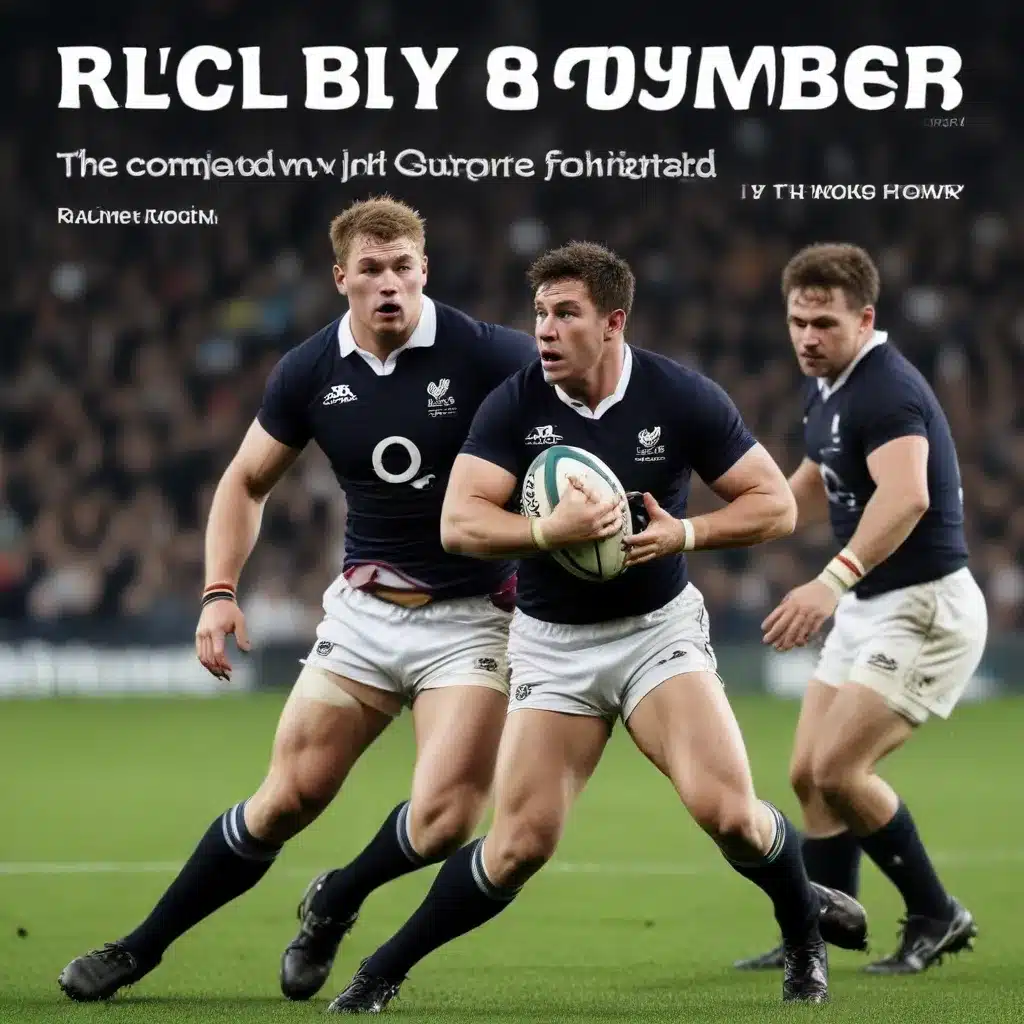
Rugby Position Breakdown
In the sport of rugby union, the 15 players on the field are divided into two distinct categories – the forwards and the backs. The forwards, comprising the player positions numbered 1 through 8, are responsible for the physically demanding, set-piece and breakdown-focused work that lays the foundation for their team’s success. Meanwhile, the backs, numbered 9 through 15, bring their speed, creativity, and attacking flair to orchestrate scoring opportunities and sustain pressure on the opposition.
The forward pack consists of the front row (loosehead prop, hooker, tighthead prop), the second row (two locks), and the backrow (two flankers and the number 8). While each position has its own specialized duties, the backrow forwards – and the number 8 in particular – occupy a unique space, blending the grunt work of the tight five with the dynamism and tactical awareness of the backs.
The Number 8 Position
The number 8 is positioned at the base of the scrum, binding between the two lock forwards. This places them at the heart of the set-piece, where their sheer power and technical proficiency are essential in maintaining scrum stability and winning possession. But the role of the modern number 8 extends far beyond the confines of the scrum.
Role and Responsibilities
At the core of the number 8’s responsibilities is their pivotal role in transitioning play from the forwards to the backs. As the link between the grunting, grinding work of the pack and the free-flowing attack of the backline, the number 8 must possess a diverse skillset to excel.
When the ball emerges from the back of the scrum, it is the number 8’s responsibility to either carry it themselves or quickly transfer it to the waiting scrumhalf. Their strength and balance allow them to blast through the first line of defense, gaining valuable territory for their team. Alternatively, the number 8 can use their vision and decision-making to identify the optimal passing option, setting the backline in motion.
Beyond the set-piece, the number 8 is expected to be a relentless ball-carrier, smashing through tackles and offloading to support players. They must also be adept at the breakdown, either competing for the ball or clearing out opposition players to secure quick, clean possession. At the lineout, the number 8 can act as a jumping option or provide a strong, stable platform for the jumpers.
Physical Requirements
To fulfill the multifaceted demands of the number 8 position, players in this role must possess an impressive physical profile. Strength and power are essential, as the number 8 is often required to engage in the tight, grinding exchanges of the set-piece. But they must also have the athleticism and agility to excel in the open field, making decisive carries and maintaining their effectiveness over the course of a full 80-minute match.
Ideal number 8s will stand somewhere between 1.90-2.00 meters tall and weigh in the region of 110-130 kilograms. This combination of size and athleticism allows them to dominate the collision area while still possessing the mobility to threaten defenses from all areas of the field.
Number 8 Skills and Attributes
Mastering the number 8 position requires a diverse skillset that blends the physical and the technical. While raw power and physicality are essential, the modern number 8 must also demonstrate a high level of rugby intelligence, tactical awareness, and adaptability.
Ball Carrying
One of the primary responsibilities of the number 8 is to make powerful, dominant carries, both from the back of the scrum and in open play. Proficiency in this skill requires a combination of straight-ahead strength, balance, and agility to break tackles and create momentum for the attacking team.
The number 8 must also possess the vision and decision-making ability to identify the optimal carrying lines, exploiting gaps in the defense and setting up supporting players for offloads or second-phase possession. Effective number 8s will often act as “crash ball” carriers, drawing in multiple defenders before offloading or recycling the ball.
Breakdown Play
At the breakdown, the number 8 plays a crucial role in securing quick, clean ball for their team. Their combination of size, power, and technical expertise allows them to clear out opposition players, either winning the ball or slowing down the opposition’s rearward progress.
Effective number 8s will demonstrate excellent body positioning, leg drive, and awareness to recognize and react to breakdown situations. They must also possess the discipline to avoid infringing at the ruck, maintaining the team’s phase play and flow.
Lineout Contributions
While the locks are typically the primary lineout jumpers, the number 8 can contribute to the set-piece in a variety of ways. They may act as a lifting option, providing a stable, powerful platform for the jumpers. Alternatively, the number 8 can position themselves at the tail of the lineout, ready to either receive the ball or disrupt the opposition’s throw.
Additionally, some number 8s possess the height and athleticism to compete for the ball themselves, either winning or stealing possession for their team. This versatility in the lineout adds an extra dimension to the number 8’s game, enhancing their overall contribution to the forward pack.
Number 8 in the Modern Game
As the game of rugby union has evolved, so too have the demands placed on the number 8 position. While the core responsibilities of carrying, tackling, and set-piece work remain, the modern number 8 must also demonstrate increased tactical awareness and positional versatility to excel at the highest levels of the sport.
Changing Demands
In the past, number 8s were often viewed as pure ball-carriers, tasked with providing the physicality and momentum to drive their team forward. While this attribute remains important, the modern game requires number 8s to be more well-rounded in their skill set.
The increased emphasis on breakdowns and the need to win quick, clean possession has placed greater demands on the number 8’s ability to compete effectively at the ruck. Additionally, the rise of more mobile, ball-playing forwards has led to number 8s being required to contribute to the team’s attacking patterns, both in terms of decision-making and distribution.
Tactical Versatility
The most successful number 8s in the modern game are those who can seamlessly adapt their style of play to suit the tactical needs of their team. This may involve taking on a greater ball-carrying role in some matches, while in others, their primary responsibility could be providing stability and control at the base of the scrum.
The number 8 must also demonstrate the ability to work in tandem with the flankers, recognizing opportunities to support, complement, or even interchange with their backrow teammates. This positional flexibility and tactical awareness allow the number 8 to be a true linchpin in the overall forward strategy.
Number 8 Player Profiles
Over the years, rugby union has seen a diverse array of number 8s, each bringing their unique blend of physicality, skill, and leadership to the position. From the classic ball-carrying powerhouses to the more modern, tactically adept exponents of the role, the number 8 position continues to evolve and showcase the sport’s depth of talent.
Classic Number 8 Archetypes
Players like Zinzan Brooke (New Zealand), Sergio Parisse (Italy), and Pierre Spies (South Africa) have exemplified the traditional number 8 archetype. Blessed with immense physical prowess, they have used their size, strength, and relentless ball-carrying ability to dominate opposition packs and gain valuable territory for their teams.
These number 8s have also demonstrated the ability to make crucial contributions at the breakdown, either competing for the ball or providing a stable platform for their team to launch attacks. Their sheer presence and impact in the close-quarter exchanges have made them indispensable members of their respective forward packs.
Emerging Number 8 Skillsets
As the game has evolved, a new breed of number 8s has emerged, blending the physical attributes of their predecessors with enhanced tactical awareness and all-around skills. Players like Taulupe Faletau (Wales), Duane Vermeulen (South Africa), and Ardie Savea (New Zealand) have demonstrated the ability to seamlessly transition between set-piece duties, breakdown work, and open-field contributions.
These number 8s possess the vision and handling skills to act as playmakers, either initiating attacks or creating opportunities for their backline teammates. Their positional versatility allows them to interchange with the flankers, providing cover and support in all areas of the field.
Number 8 Training and Development
Developing talented number 8s requires a holistic approach, one that not only focuses on the physical attributes of the position but also nurtures the technical and tactical skills necessary to thrive in the modern game.
Positional Skill Development
Aspiring number 8s must master the core set-piece skills, such as scrum anchoring, lineout jumping, and effective rucking. But they must also hone their ability to read the game, make split-second decisions, and execute high-quality passes and offloads to bring their teammates into play.
Agility, balance, and footwork drills can help number 8s develop the mobility to excel in the open field, complementing their raw power and strength. Additionally, specific ball-handling exercises and scenario-based training can enhance their decision-making and ability to maximize their impact in attack and defense.
Strength and Conditioning
Given the physical demands of the number 8 position, a robust strength and conditioning program is essential. Number 8s must develop exceptional upper-body, core, and lower-body strength to excel in the collision and set-piece areas of the game.
Alongside traditional weight-training exercises, number 8s should also focus on developing their explosive power and speed, through plyometric exercises, sprinting drills, and sport-specific conditioning. This combination of raw strength and athletic ability allows them to dominate the physical exchanges while also maintaining high-intensity work rates over the course of a match.
Aerobic conditioning is also crucial, as the modern number 8 is required to cover vast amounts of ground, both in attack and defense. Endurance training, interval sessions, and game-specific conditioning drills can help number 8s develop the stamina to maintain their impact throughout the full 80 minutes.
By blending the development of positional skills with a comprehensive strength and conditioning program, coaches and support staff can help nurture the next generation of elite number 8s, capable of thriving in the ever-evolving landscape of rugby union.
At Aberdeenshire RFC, we are committed to providing our players with the best possible training and development opportunities to help them reach their full potential. Our coaches, sports scientists, and medical staff work closely with our number 8s, ensuring they have the skills, physical attributes, and tactical awareness to excel at the highest levels of the game. Through individualized programs, specialized drills, and regular feedback, we strive to create a robust pathway for our number 8s to flourish, both within our club and potentially on the international stage.