
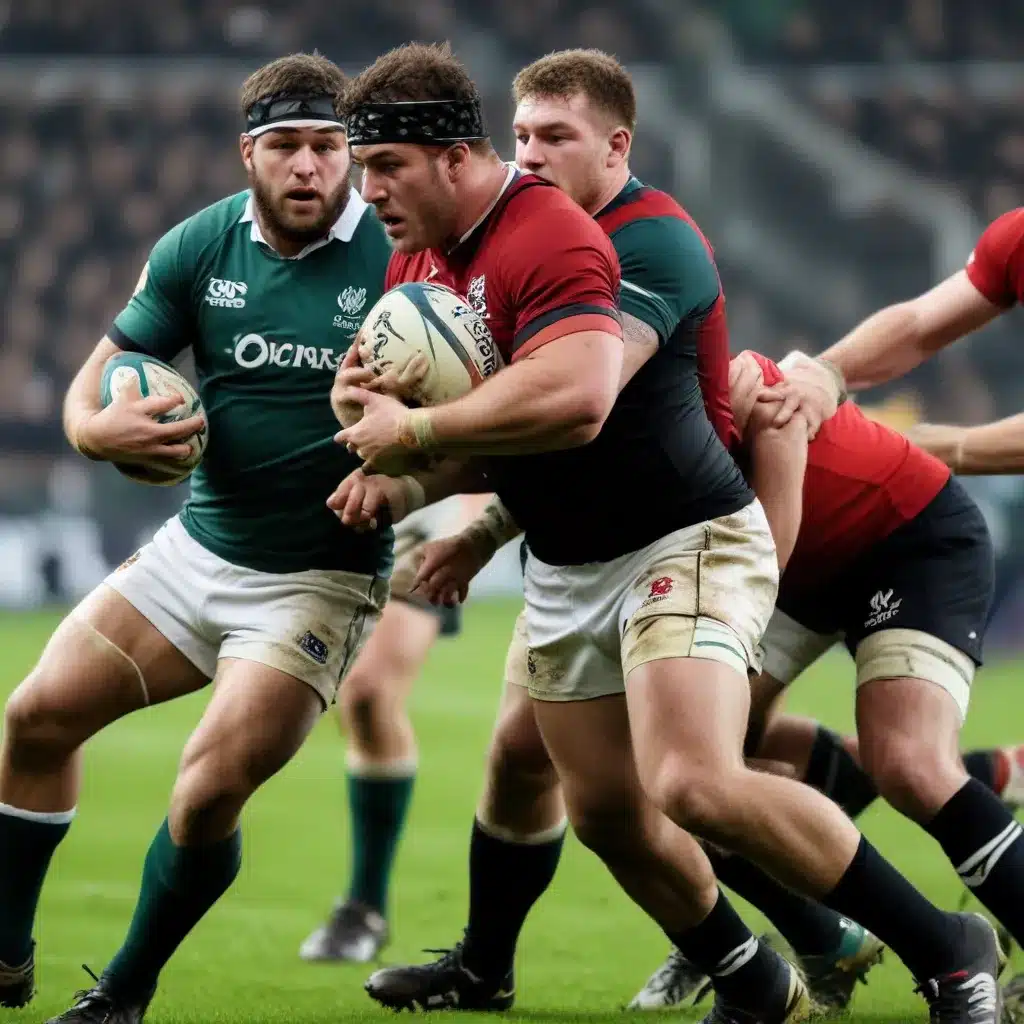
In the dynamic and physically demanding world of rugby, the blindside flanker is a position that requires a unique blend of power, skill, and tactical acumen. As a seasoned rugby professional with in-depth knowledge of club operations, match analysis, training methodologies, and global rugby insights, I’m thrilled to share my expertise on what it takes to excel as a blindside flanker, particularly in the tight exchanges that often define the outcome of a hard-fought match.
The Role of the Blindside Flanker
The blindside flanker is a pivotal member of the backrow, tasked with providing robust defense and impactful contributions to the attack. While the openside flanker is often the more visible playmaker, the blindside flanker’s primary responsibilities lie in the gritty, high-intensity exchanges that take place in the tight channels of the field.
Defensively, the blindside flanker is expected to be a relentless tackler, using their physicality and aggressive positioning to disrupt the opposing team’s momentum. They must be adept at reading the game, anticipating the opposition’s moves, and stepping up to make dominant tackles that slow down the ball carrier or even win crucial turnovers. Their ability to disrupt the breakdown and secure vital possession is a cornerstone of their role.
In attack, the blindside flanker is often called upon to carry the ball into the heart of the opposition’s defense, using their strength and determination to make hard yards and create opportunities for their teammates. They must also be skilled in the art of rucking, ensuring that their team maintains quick, clean ball despite the intensity of the collisions. Furthermore, the blindside flanker’s positioning in the lineout can provide valuable support for the jumpers, adding an extra dimension to the team’s set-piece play.
Mastering the Tight Exchanges
Excelling as a blindside flanker requires a deep understanding and mastery of the tight exchanges that are the lifeblood of rugby. These moments of intense physicality, where the forwards clash in a battle for dominance, are where the blindside flanker’s true abilities are showcased.
Physicality and Aggression
At the core of the blindside flanker’s skillset is their ability to impose their physical presence on the opposition. They must be strong, powerful, and unrelenting in their approach to the tight exchanges. Whether it’s driving through a maul, exploding into a tackle, or simply overwhelming their opposite number in the scrum, the blindside flanker’s sheer physicality is a crucial asset.
However, it’s not enough to simply be a brute force. The most effective blindside flankers understand how to harness their aggression and channel it into technically proficient, high-impact collisions. They know when to time their runs, how to generate momentum, and where to direct their energy to maximize the impact of their involvement.
Technique in Tackling
Tackling is the bread and butter of the blindside flanker’s defensive duties, and they must possess a diverse repertoire of tackle techniques to suit the ever-changing scenarios they face. From thunderous front-on collisions to low, driving tackles that stop the momentum of the ball carrier, the blindside flanker must be adept at reading the situation and executing the appropriate tackle.
Crucially, the blindside flanker must also display excellent technique in their tackling, ensuring that they secure the ball carrier and maintain control of the contact area. This not only disrupts the opposition’s attack but also provides their own team with the opportunity to compete for the ball at the breakdown.
Effectiveness in Rucking and Mauls
In the tight exchanges, the ability to win the battle at the breakdown is paramount. The blindside flanker must be a dominant force in the ruck, using their strength, body position, and aggressive cleared to ensure their team retains possession. They must also be adept at identifying opportunities to poach the ball or disrupt the opposition’s ball retrieval.
Similarly, the blindside flanker plays a pivotal role in the team’s maul defense and attack. Their physicality and positioning are essential in maintaining the integrity of the maul, as well as generating momentum and momentum in attack. The blindside flanker’s ability to drive forward, clear out opposition players, and provide a stable foundation for the maul can be the difference between securing or conceding crucial yards.
Tactical Positioning and Decision-Making
The blindside flanker’s responsibilities extend beyond the physical aspects of the game; their tactical awareness and decision-making skills are equally crucial to their success.
Aligning with Backrow
The blindside flanker must work in seamless harmony with their backrow colleagues, the openside flanker and the number eight. Their positioning and movement must be coordinated to ensure they effectively cover the field, provide defensive cover, and support one another in both attack and defense.
By maintaining a keen awareness of their backrow’s positioning and the overall team structure, the blindside flanker can anticipate and react to the flow of the game, positioning themselves to make the most impactful contributions.
Support in the Lineout
The blindside flanker’s height and physicality make them a valuable asset in the lineout. Their ability to provide support for the jumpers, either as a lifter or a receiver, can give their team a significant advantage in this crucial set-piece. Furthermore, the blindside flanker’s positioning in the lineout can also influence the opposition’s decision-making, forcing them to adjust their strategies to account for the threat posed by the blindside flanker.
Counterattacking Opportunities
While the blindside flanker’s primary role is in the tight exchanges, they must also be alert to opportunities to join the counterattack. By positioning themselves astutely and displaying excellent ball-handling skills, the blindside flanker can capitalize on turnovers or quick transitions, providing an additional attacking threat and keeping the opposition on their toes.
Physical and Mental Attributes
Succeeding as a blindside flanker requires a unique blend of physical prowess and mental fortitude. The demands of the position are relentless, and the best practitioners possess a combination of attributes that allow them to thrive in the cauldron of tight exchanges.
Strength and Conditioning
The blindside flanker must be a physical specimen, possessing immense strength, power, and endurance. A comprehensive strength and conditioning program, tailored to the demands of the position, is essential in developing the necessary physical attributes. This includes building muscle mass, improving explosive power, and enhancing overall conditioning to withstand the rigors of the tight exchanges.
Situational Awareness
Beyond raw physicality, the blindside flanker must also possess exceptional situational awareness. They need to have a keen eye for the game, the ability to read the flow of play, and anticipate the opposition’s moves. This allows them to position themselves effectively, make split-second decisions, and maximize their impact on the tight exchanges.
Discipline and Composure
The blindside flanker’s role often involves operating in the gray areas of the game, where the line between legality and infringement can be blurred. To excel in this environment, the blindside flanker must maintain a disciplined approach, avoiding unnecessary penalties or yellow cards that could compromise their team’s performance. Additionally, they must possess the composure to remain calm under pressure and make sound decisions, even in the heat of the moment.
Developing the Blindside Flanker’s Skillset
While the blindside flanker’s primary focus may be on the tight exchanges, their overall skillset must extend beyond just physicality and aggression. To truly thrive in the position, they must also develop their technical abilities in other areas of the game.
Ball-Handling and Distribution
In the modern game, the blindside flanker is expected to contribute to the team’s attack not just through carrying the ball, but also through their ability to distribute and create opportunities for their teammates. Developing strong ball-handling skills, the ability to make accurate passes, and the decision-making to identify the right option can elevate the blindside flanker’s impact on the game.
Breakdown Work
The breakdown is a crucial battleground for the blindside flanker, and their skills in this area must be honed to a razor’s edge. Mastering the techniques of jackal turnovers, body positioning, and clearing out opposition players can provide their team with invaluable possession and momentum.
Set-Piece Prowess
While the hooker and locks may be the traditional set-piece specialists, the blindside flanker’s contributions in the lineout and scrums can be equally vital. Developing their jumping, lifting, and scrummaging abilities not only strengthens the team’s set-piece but also adds an additional dimension to the blindside flanker’s overall game.
Integrating the Blindside Flanker into the Team
The success of a blindside flanker is not just dependent on their individual abilities, but also on their ability to seamlessly integrate into the team’s overall game plan and dynamics.
Communication with Teammates
Clear and effective communication with their teammates, both on and off the field, is essential for the blindside flanker. They must be able to coordinate their movements, anticipate the needs of their backrow colleagues, and provide valuable insights that enhance the team’s tactical approach.
Synergy with Other Positions
The blindside flanker’s role is inherently linked to the performance of other key positions, such as the hooker, locks, and halfbacks. By developing strong relationships and understanding the specific requirements of these positions, the blindside flanker can ensure that their contributions are complementary and that the team operates as a cohesive unit.
Adapting to Different Game Plans
The modern game of rugby demands versatility, and the blindside flanker must be able to adapt their approach to suit the team’s specific game plan and the challenges posed by the opposition. This requires a deep understanding of the game, the ability to think critically, and the willingness to adjust their style of play as the situation dictates.
As a seasoned rugby professional, I’ve had the privilege of witnessing the vital role that the blindside flanker plays in the success of a team. From the Aberdeenshire RFC to the global stage, these unsung heroes of the tight exchanges are the backbone of any well-rounded rugby side. By mastering the physical, technical, and tactical aspects of the position, the blindside flanker can become a true difference-maker, driving their team to victory through their relentless effort and unwavering commitment.
So, to all the aspiring and current blindside flankers out there, I salute you. Your contributions may not always be the most glamorous, but they are undoubtedly essential. Keep honing your skills, embracing the physicality, and leading by example. The tight exchanges are your domain, and with dedication and passion, you can become a true master of your craft.