
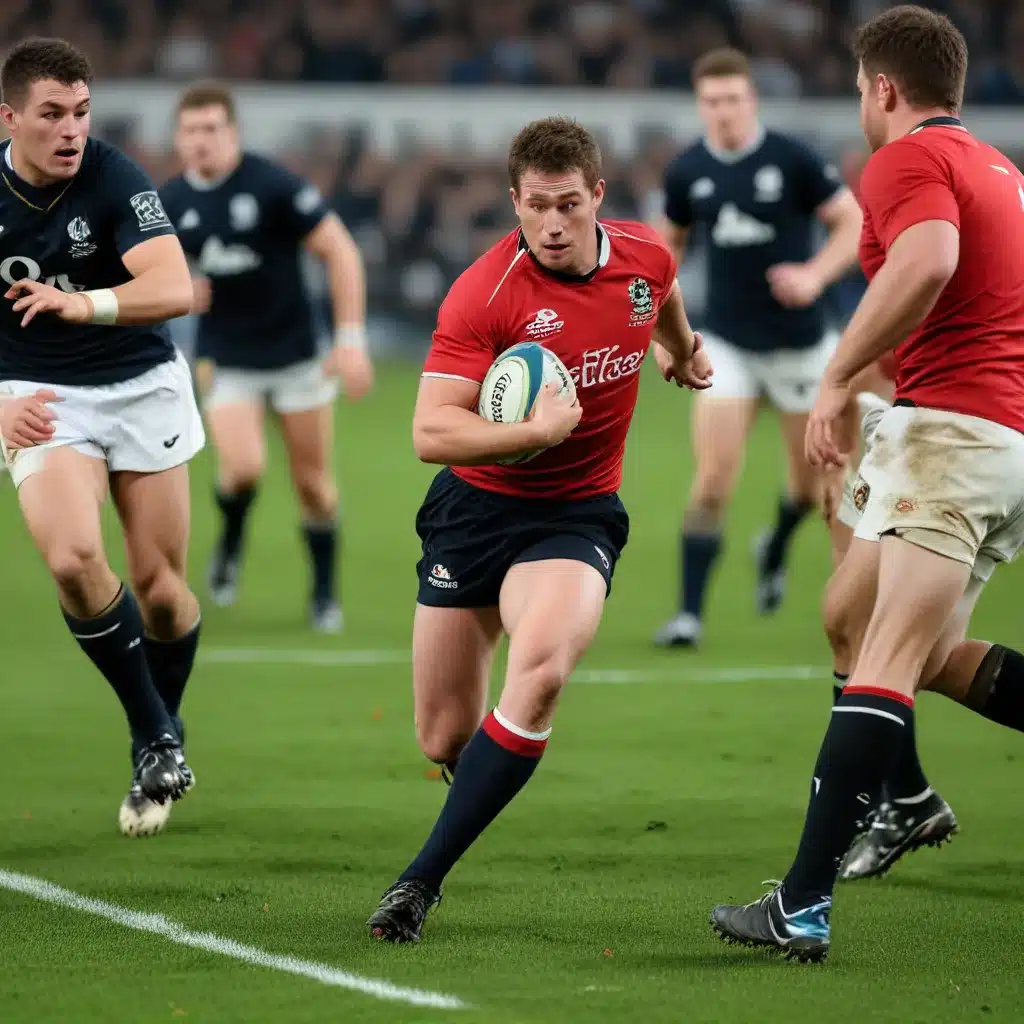
Rugby Kicking Tactics
In the dynamic and fast-paced world of rugby, the ability to effectively utilize the boot can be a game-changer. As a seasoned rugby professional, I’ve witnessed firsthand the power of strategic kicking to shift the momentum of a match and exert relentless pressure on the opposition. The attacking kick is a versatile and often underappreciated weapon in a team’s arsenal, and mastering its nuances can give your side a decisive edge.
Kicking Strategies in Rugby
Kicking is not just a defensive tactic to clear the lines; it can also be a proactive offensive maneuver. Successful teams employ a diverse range of kicking strategies, each designed to serve a specific purpose. From the booming clearance kick to the pinpoint grubber, the options available to a skilled rugby player are both numerous and impactful.
Types of Attacking Kicks
When it comes to applying pressure through kicking, there are several distinct techniques to consider. The punt kick, with its ability to gain valuable territory, is a time-honored favorite. The grubber kick, which skims low along the ground, can force the opposition to hurriedly deal with the bouncing ball. And the up-and-under, a high-hanging kick that challenges the aerial skills of both teams, can create chaos and scoring opportunities.
Advantages of Kicking in Rugby
Kicking in rugby is not merely a means to an end; it is a powerful tool that can unlock a multitude of strategic advantages. By utilizing the boot effectively, teams can pin their opponents deep in their own territory, forcing them to work tirelessly to escape the pressure. Additionally, well-executed kicks can lead to turnovers, as the chasing players apply relentless pressure and pounce on any mistakes.
Pressure Application through Kicking
The true power of the attacking kick lies in its ability to create sustained pressure on the opposition. When employed with precision and purpose, the boot can become a formidable weapon in your team’s arsenal.
Pinning Opponents in their Own Half
One of the primary objectives of the attacking kick is to force the opposition to operate from deep within their own half. By strategically positioning the ball in the corners or behind the defensive line, you can compel the receiving team to work tirelessly to clear their lines. This territorial gain can be particularly devastating, as it denies the opposition the opportunity to mount their own attacking forays.
Territorial Gain with Kick-and-Chase
The kick-and-chase tactic is a classic in rugby, and for good reason. By launching a well-placed kick and then rapidly closing in on the receiver, your team can create turnovers, force mistakes, and gain valuable ground. The combination of precise kicking and a tenacious chase can catch the opposition off guard, disrupting their flow and momentum.
Forcing Errors and Turnovers
The pressure exerted by a well-executed attacking kick can often lead to unforced errors and turnovers by the opposition. As the receiving team scrambles to deal with the bouncing ball or an aerial challenge, they may make hasty decisions or misjudge the situation. These mistakes can then be pounced upon by your team, leading to scoring opportunities or the regaining of possession in a prime attacking position.
Kick Execution Techniques
Mastering the various kick execution techniques is crucial to ensuring the successful application of pressure through the boot. Each type of kick requires a unique set of skills and nuances to truly excel.
Mastering Punt Kicks
The punt kick, with its ability to gain ground and maintain possession, is a fundamental part of the rugby kicking arsenal. Developing a consistent and powerful punt kick involves the proper body positioning, weight transfer, and follow-through. Consistently hitting the sweet spot on the ball is key to maximizing distance and accuracy.
Effective Grubber Kicks
The grubber kick, with its low trajectory and unpredictable bounce, can be a potent weapon in your team’s attacking arsenal. Mastering the grubber requires a delicate touch, as well as an understanding of the various factors that influence the ball’s path, such as surface conditions and spin. Timing the release and applying the right amount of power are crucial to ensuring the grubber kick wreaks havoc on the opposition.
Perfecting the Up-and-Under
The up-and-under, with its high, hanging trajectory, challenges the aerial skills of both teams. Executing this kick with precision involves a combination of technique, timing, and communication with your chasers. Ensuring the ball reaches the optimal height and hang time, while also considering the wind and field conditions, can give your team a significant advantage in the battle for possession.
Tactical Considerations
Effectively utilizing the attacking kick in rugby requires a deep understanding of the game situation and the ability to make split-second decisions.
Reading the Game Situation
As a seasoned rugby professional, I’ve learned that the key to successful kicking lies in the ability to accurately read the game situation. Factors such as the score, time remaining, field position, and the opponent’s defensive alignment all play a crucial role in determining the most appropriate kicking strategy.
Timing the Attacking Kick
The timing of the attacking kick is paramount. Launching the kick at the right moment can catch the opposition off guard, creating chaos and disarray. Conversely, a poorly timed kick can surrender possession and momentum to the opposition. Developing a keen sense of when to unleash the boot is a skill honed through experience and constant analysis.
Utilizing Kick Chasers Effectively
The effectiveness of the attacking kick is heavily dependent on the cohesion and coordination of the kick chasers. Selecting the right players for this vital role, based on their speed, anticipation, and aerial skills, is crucial. Ensuring clear communication and alignment between the kicker and the chasers can maximize the chances of regaining possession or creating scoring opportunities.
Kicking Game Analysis and Improvement
As a rugby professional, I firmly believe that the continuous analysis and refinement of our kicking game is essential for sustained success. By regularly reviewing match footage and identifying areas for improvement, we can elevate our team’s kicking capabilities to new heights.
Reviewing Match Footage
Analyzing match footage is a powerful tool for improving the kicking game. By closely examining our own and the opposition’s kicking tactics, we can identify patterns, strengths, and weaknesses. This in-depth review allows us to make informed adjustments to our strategies and execution, ensuring we stay one step ahead of our rivals.
Identifying Strengths and Weaknesses
Objectively assessing our team’s kicking game, both individually and collectively, is crucial for targeted improvement. Identifying the areas where we excel, as well as the aspects that require refinement, enables us to develop tailored training regimens and deploy our kicking assets most effectively.
Drills and Training Exercises
Complementing our on-field experience, a comprehensive training program focused on kicking proficiency is essential. Incorporating a variety of drills, from precision punt kicks to high-pressure grubber challenges, allows us to hone our technique and decision-making under game-like conditions. Consistent practice is the key to transforming our kicking game from good to great.
Integrating Kicking into the Overall Attack
The attacking kick is not a standalone tactic; it must be seamlessly woven into the team’s overall attacking strategy to maximize its impact.
Combining Kicking and Running Plays
The most successful rugby teams understand the importance of striking the right balance between kicking and running plays. By skillfully integrating these two elements, you can keep the opposition guessing and exploit their weaknesses. Utilizing the kicking game to create space and opportunities for your runners can be a devastating combination.
Keeping the Defense Guessing
Variety is the spice of life, and in rugby, it’s the key to keeping the opposition defense off balance. By incorporating a range of kicking options into your attacking arsenal, from booming clearances to delicate grubbers, you can prevent the defense from settling into a predictable pattern. This unpredictability can open up avenues for your team to exploit.
Exploiting Kicking Mismatches
Rugby is a game of constant adjustments, and savvy teams will seek to identify and capitalize on any kicking mismatches that arise. Whether it’s targeting a weaker aerial player or identifying a mismatch in the kick chase, recognizing and exploiting these opportunities can swing the momentum in your favor.
The Role of the Fly-Half in Kicking
As the tactical orchestrator of the team, the fly-half plays a pivotal role in the execution and decision-making of the kicking game. Their ability to read the game, communicate effectively, and make split-second choices can be the difference between a successful and a disastrous kicking strategy.
Decision-Making under Pressure
The fly-half must possess the ability to make sound kicking decisions in the heat of the moment, often under intense pressure. Weighing factors such as field position, score, and the opposition’s defensive alignment, the fly-half must quickly determine the most appropriate kicking option to apply maximum pressure and create scoring opportunities.
Kick Variation and Distribution
The versatile fly-half must be adept at executing a diverse range of kicks, from soaring clearances to probing grubbers. Moreover, they must distribute these kicking options judiciously, keeping the opposition guessing and exploiting any weaknesses in their defensive alignment.
Communicating with Kick Chasers
Effective communication between the fly-half and the kick chasers is essential for the successful application of the attacking kick. Clear and concise instructions regarding the desired trajectory, timing, and positioning of the chasers can greatly enhance the chances of regaining possession or creating a scoring chance.
In conclusion, the rugby attacking kick is a powerful and multifaceted weapon that, when wielded with skill and precision, can be a game-changer. By mastering the various kicking techniques, understanding the tactical considerations, and seamlessly integrating the kicking game into the overall attacking strategy, teams can apply relentless pressure on their opponents and seize control of the match. As a seasoned rugby professional, I encourage you to embrace the power of the boot and let it become an integral part of your team’s quest for success. Visit Aberdeenshire RFC to learn more about our club’s approach to kicking and our commitment to player development.