
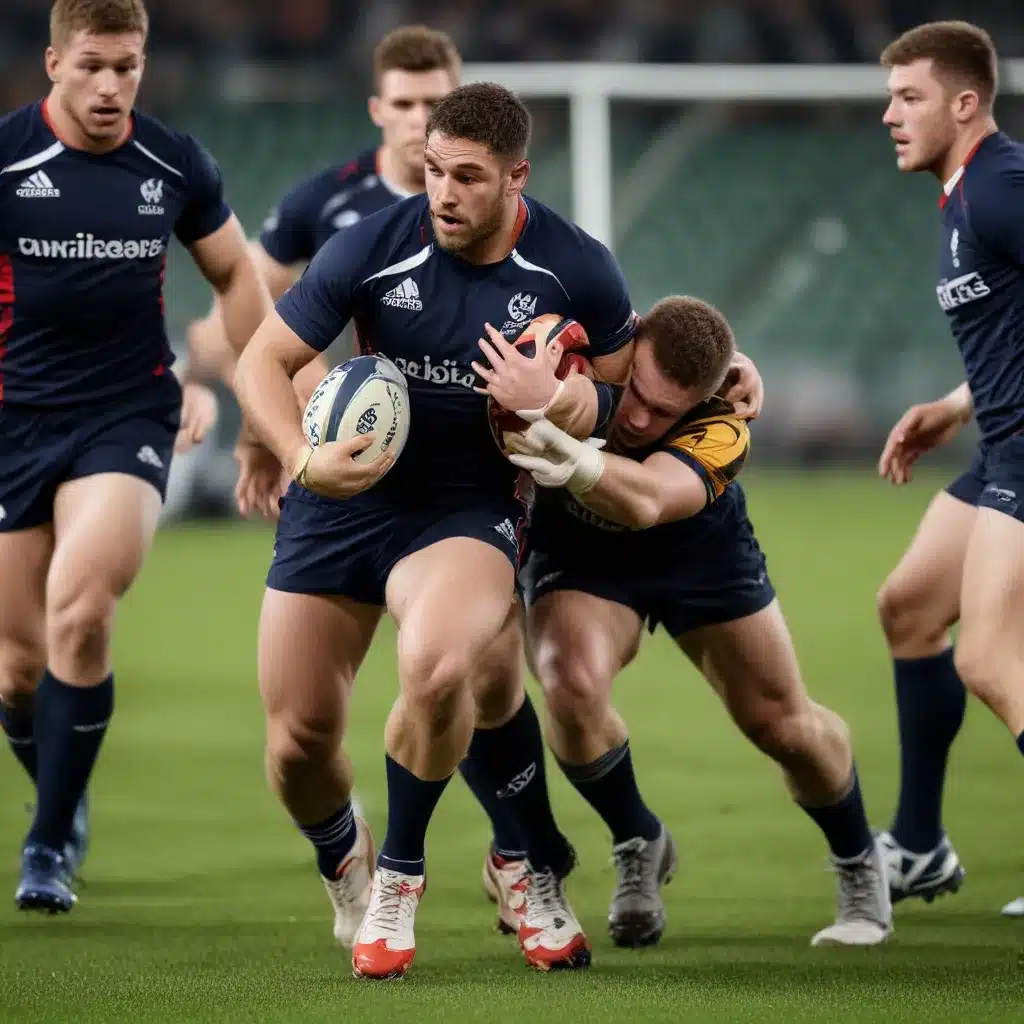
The Importance of Mobility in Rugby
As a seasoned rugby professional, I’ve seen firsthand the critical role that mobility plays in injury prevention and athletic performance. Mobility, defined as the ability to move freely and easily, is a foundational component of the rugby game. From the explosive bursts of speed required to break through the defensive line to the quick changes of direction needed to evade tackles, mobility is essential for rugby players at all levels.
Enhancing range of motion through targeted mobility exercises can significantly impact a player’s on-field capabilities. Improved joint mobility allows for greater freedom of movement, enabling players to reach for that high pass, dive for a loose ball, or execute a textbook tackle with greater ease and efficiency. When the body’s joints and muscles are limited in their range of motion, the risk of injury increases dramatically. Restricted mobility can lead to compensatory movements, muscle imbalances, and a breakdown in proper biomechanics – all of which contribute to a higher likelihood of strains, sprains, and other debilitating injuries.
But the benefits of mobility go far beyond just injury prevention. Improved mobility can also enhance a player’s overall performance. Increased range of motion translates to greater power production, faster acceleration, and enhanced agility – all crucial attributes for the demands of rugby. When a player’s body can move freely and efficiently, they are better equipped to make those split-second decisions, change directions at high speeds, and dominate the contact area.
Stability as a Complement to Mobility
While mobility is undoubtedly essential, it must be complemented by stability – the ability to maintain control and balance during movement. In the dynamic and physically intense sport of rugby, stability is just as crucial as mobility for optimal performance and injury reduction.
Stability, particularly core stability, plays a vital role in rugby. The core muscles, which include the abdominals, lower back, and hip muscles, act as the foundation for all movement and power generation. When these muscles are weak or imbalanced, it can lead to a breakdown in overall body control and an increased risk of injury.
Imagine a player attempting to execute a powerful fend-off or a sudden change of direction. If their core is unstable, they will struggle to generate and transfer force efficiently through their kinetic chain, compromising their ability to execute the skill effectively and increasing the likelihood of sustaining a non-contact injury.
By training both mobility and stability in tandem, rugby players can create a synergistic effect that enhances their physical capabilities and reduces their risk of injury. Mobility exercises help to increase range of motion and joint function, while stability exercises target the core and surrounding musculature to provide the necessary control and balance for safe, powerful movements.
Comprehensive Rugby-Specific Training
Developing a comprehensive training program that addresses both mobility and stability is crucial for rugby players. This holistic approach should encompass various elements, from targeted conditioning to individualized rehabilitation protocols.
In the realm of conditioning, a well-designed program should incorporate mobility drills, core stability exercises, and functional strength training. Mobility exercises such as dynamic stretches, joint mobilizations, and myofascial release techniques can help improve joint range of motion and muscle flexibility. Complementing these mobility drills with core stability exercises, such as planks, side bridges, and bird dogs, helps to build the necessary muscular control and endurance for the demands of rugby.
Integrating functional strength training, which mimics the movements and loads experienced on the pitch, is also essential. Exercises like squats, deadlifts, and plyometric drills not only build muscular strength but also promote neuromuscular coordination – a key component of both mobility and stability.
For players recovering from injuries, a comprehensive rehabilitation program that addresses both mobility and stability is crucial for a successful return to play. Tailored exercises that focus on restoring range of motion, rebuilding muscular strength, and retraining proper movement patterns can help prevent re-injury and ensure a smooth transition back to the game.
Throughout the training process, it’s important to adopt an individualized approach. Each player’s needs and limitations may differ, so regular assessments and adjustments to the training program are essential. By closely monitoring progress and adapting the program accordingly, coaches and sports medicine professionals can ensure that players are optimizing their mobility and stability for peak performance and injury resilience.
Biomechanical Considerations for Injury Prevention
Delving deeper into the biomechanical aspects of injury prevention, it’s essential to consider the intricate relationship between flexibility, strength, and movement patterns. Proper joint mechanics and muscular balance are the foundation for safe, efficient movement on the rugby pitch.
Flexibility, or the ability to move a joint through its full range of motion, is a crucial factor in injury prevention. Restricted flexibility in key areas, such as the hips, shoulders, and ankles, can lead to compensatory movements and an increased risk of strains or sprains. By maintaining optimal flexibility through targeted mobility exercises, players can reduce the likelihood of these common rugby injuries.
Equally important is the role of muscular strength and balance. Imbalances between agonist and antagonist muscle groups can create instability and increase the strain on certain joints and tissues. For example, an imbalance between the quadriceps and hamstrings can lead to increased stress on the knee joint, potentially contributing to ligament injuries. By addressing these muscular imbalances through comprehensive strength training, players can enhance joint stability and reduce their risk of injury.
Alongside flexibility and strength, the analysis of movement patterns is a vital component of injury prevention. Assessing a player’s technique and movement mechanics, both in training and competition, can identify areas for improvement. Dysfunctional movement patterns, such as excessive knee valgus or poor trunk control, can indicate underlying mobility or stability deficits that need to be addressed.
By combining a deep understanding of biomechanics with a robust training regimen that addresses mobility, stability, and movement patterns, rugby players can maximize their performance while significantly reducing their risk of injury.
Practical Applications and Strategies
Implementing effective strategies for improving mobility and stability in rugby requires a multifaceted approach. As a seasoned rugby professional, I recommend the following practical applications and steps to help players and teams achieve their goals.
Mobility and Stability Assessments
Begin by conducting comprehensive assessments to identify each player’s unique strengths, weaknesses, and imbalances. This can include range of motion tests, muscle strength evaluations, and movement pattern analyses. Understanding the individual needs of each player is crucial for designing effective, personalized training programs.
Integrating Mobility and Stability Exercises
Incorporate a variety of mobility and stability exercises into the training routine. For mobility, focus on dynamic stretches, joint mobilizations, and foam rolling to improve range of motion. For stability, emphasize core-strengthening exercises, such as planks, side bridges, and anti-rotation exercises, to build muscular control and endurance.
Progression and Individualization
Gradually progress the difficulty and complexity of the exercises to challenge players and continually improve their capabilities. Regularly monitor progress and adjust the training program as needed to ensure each player is optimizing their mobility and stability for their specific position and demands on the pitch.
Emphasizing Movement Quality
Throughout the training process, place a strong emphasis on movement quality. Ensure that players are executing exercises and skills with proper technique, maintaining optimal body alignment and control. This attention to detail will help reinforce the neural pathways for safe, efficient movement patterns.
Collaboration with Sports Medicine Professionals
Maintain close collaboration with sports medicine professionals, such as physiotherapists and athletic trainers, to ensure a comprehensive approach to injury prevention and rehabilitation. These experts can provide invaluable insights, design customized rehabilitation plans, and guide the integration of mobility and stability training into the overall player development program.
Educating Players and Coaching Staff
Educate players and coaching staff on the importance of mobility and stability for injury prevention and performance enhancement. Encourage buy-in and foster a culture of proactive injury management within the team. Empower players to take ownership of their mobility and stability training, reinforcing its significance for their long-term success in the sport.
By implementing these practical strategies and fostering a team-wide commitment to mobility and stability, rugby players and clubs can unlock the full potential of their athletes, reduce the incidence of injuries, and consistently perform at the highest level. As a seasoned rugby professional, I firmly believe that this holistic approach to physical preparation is the key to unlocking the true potential of any rugby team.
The Role of Coaching and Sports Medicine
The integration of mobility and stability training into a comprehensive rugby program requires a collaborative effort between coaches, sports medicine professionals, and players. As a seasoned rugby expert, I’ve witnessed the powerful impact that this interdisciplinary approach can have on injury prevention and athletic performance.
Coaches play a crucial role in cultivating a culture of injury resilience within the team. By prioritizing mobility and stability training, and incorporating these elements seamlessly into the overall training regimen, coaches can ensure that players develop the necessary physical attributes to thrive on the pitch. Regular monitoring of player progress, adjustments to training programs, and the implementation of evidence-based practices are all essential responsibilities of the coaching staff.
Sports medicine professionals, such as physiotherapists, athletic trainers, and strength and conditioning coaches, bring a wealth of specialized knowledge and expertise to the table. These experts can provide comprehensive assessments, design tailored rehabilitation and training programs, and guide players through the recovery process. Their involvement is particularly crucial for players returning from injury, as they work to restore mobility, rebuild stability, and safely reintegrate the player back into full training and competition.
Crucially, the collaboration between coaches and sports medicine professionals must be ongoing and adaptive. Regular communication, data sharing, and a willingness to adjust training protocols based on player feedback and performance metrics are essential for maximizing the effectiveness of the mobility and stability program. This interdisciplinary approach ensures that the specific needs of each player are addressed, allowing them to perform at their best while minimizing the risk of future injuries.
Furthermore, educating players on the importance of mobility and stability is a vital component of this collaborative effort. By empowering athletes to take an active role in their physical preparation, we can foster a deeper understanding of the benefits and reinforce the long-term value of these training techniques. This, in turn, can lead to greater buy-in, improved adherence, and ultimately, better outcomes for the individual player and the team as a whole.
As a seasoned rugby professional, I’ve witnessed the transformative impact that a comprehensive, collaborative approach to mobility and stability training can have on a team’s success and player well-being. By fostering this synergistic relationship between coaches, sports medicine professionals, and players, we can help rugby athletes reach new heights of performance while safeguarding their long-term physical health and resilience.