
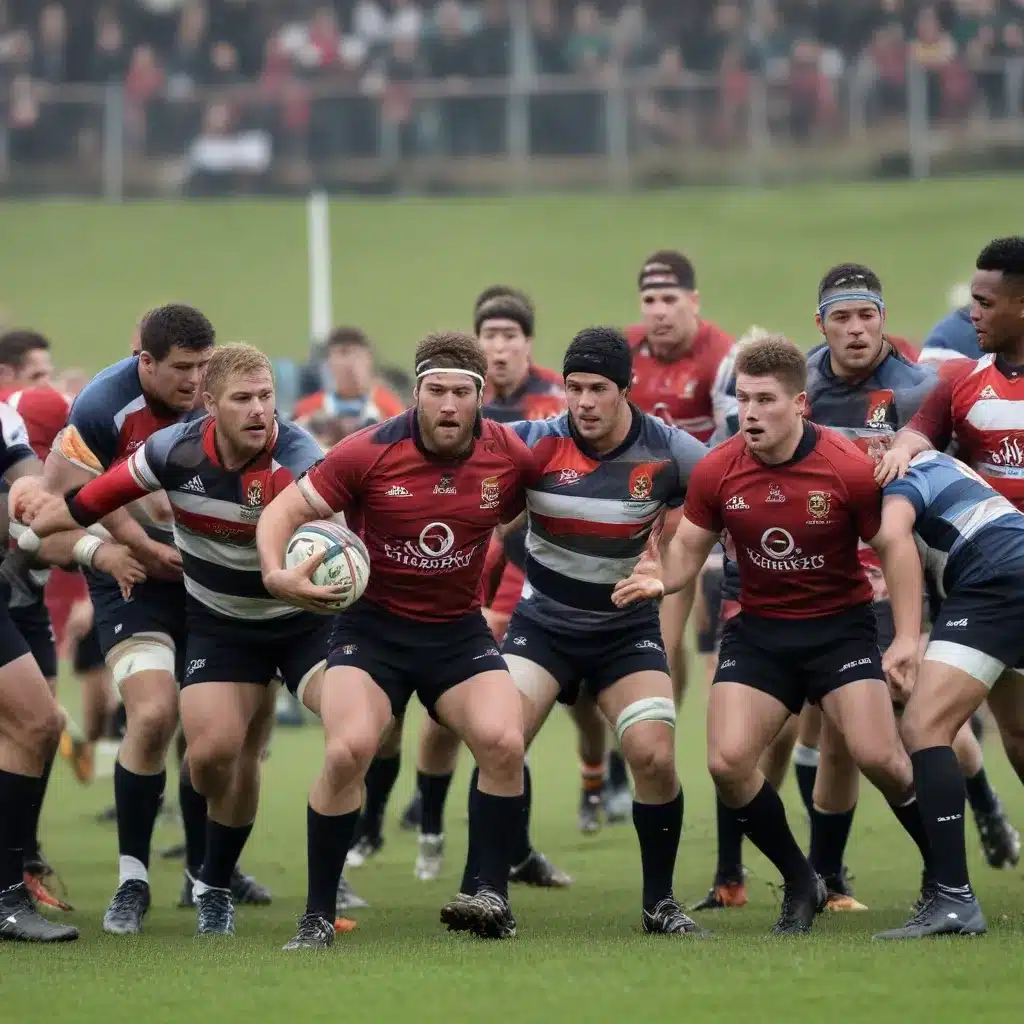
Mindfulness in Rugby Performance
As a seasoned rugby professional, I’ve witnessed firsthand the profound impact that mindfulness can have on the performance and well-being of players. Mindfulness, defined as a state of focused, non-judgmental awareness of the present moment, has emerged as a powerful tool for athletes looking to enhance their mental game and achieve peak performance.
Defining Mindfulness
At its core, mindfulness is about cultivating a deep sense of attention and presence. It involves being fully immersed in the here and now, without getting caught up in the distractions of the past or anxieties about the future. For rugby players, this heightened state of awareness can be a game-changer, allowing them to stay focused, calm, and centered even in the heat of competition.
Benefits of Mindfulness for Athletes
Numerous studies have demonstrated the myriad benefits of mindfulness for athletes. By training the mind to be more present and accepting, players can experience a reduction in performance anxiety, an increase in focus and concentration, and an overall improvement in emotional regulation. Mindfulness has also been linked to enhanced resilience, helping players navigate the inevitable ups and downs of their sporting careers with greater ease.
Mindfulness Techniques for Rugby
As a coach, I’ve found that incorporating a variety of mindfulness practices into our training regimen can have a profound impact on our players’ mental preparation and in-game performance. Some of the most effective techniques include:
Breath Awareness Meditation: Taking a few minutes before training or a match to simply focus on the natural flow of the breath can help players center themselves and enter a state of calm alertness. This practice of turning inward can lay the groundwork for greater focus and presence during play.
Body Scan Meditation: Guiding players through a systematic exploration of their physical sensations, from the soles of their feet to the crown of their head, can help them become more attuned to the subtle cues of their bodies. This heightened body awareness can enhance proprioception and decision-making on the pitch.
Mindful Movement Practices: Incorporating mindful movement practices, such as yoga or tai chi, into the training routine can help players develop greater body control, balance, and flexibility – all of which are crucial in the fast-paced, physically demanding sport of rugby.
Visualization and Mental Imagery in Rugby
Alongside mindfulness, the power of visualization and mental imagery has long been recognized as a valuable tool for enhancing athletic performance. As a coach, I’ve witnessed firsthand the transformative impact that these mental training techniques can have on our players’ skills and confidence.
The Power of Visualization
Visualization, or the practice of creating vivid mental images, allows players to rehearse their desired actions and outcomes in the mind’s eye. This cognitive rehearsal not only helps reinforce physical skills but also primes the brain for success, instilling a sense of confidence and self-belief.
Visualization Techniques for Rugby
I’ve found that the most effective visualization techniques for rugby players involve a combination of cognitive and motor imagery. This includes:
Pre-Performance Visualization: Encouraging players to visualize themselves going through their pre-match routine, from the moment they wake up to the time they step onto the pitch. This helps establish a sense of familiarity and control.
Mental Rehearsal of Game Situations: Guiding players through the visualization of specific game scenarios, such as scoring a try, making a crucial tackle, or executing a flawless lineout. This helps them mentally prepare for the challenges they may face during the match.
Visualization of Successful Outcomes: Empowering players to envision themselves performing at their absolute best, achieving their goals, and experiencing the thrill of victory. This positive mental imagery can help boost confidence and self-belief.
The Intersection of Mindfulness and Visualization
While mindfulness and visualization may seem like distinct practices, I’ve found that they can be incredibly powerful when used in tandem. By integrating these two mental training techniques, players can cultivate a heightened state of awareness and focus, while also priming their minds for optimal performance.
Enhancing Mental Focus and Concentration
When players combine mindfulness and visualization, they can develop a laser-like focus that allows them to block out distractions and stay present in the moment. The mindfulness practice helps them tune in to the sensations of the present, while the visualization exercises give them a clear mental picture of their desired outcomes.
Reducing Anxiety and Increasing Confidence
One of the most remarkable benefits of integrating mindfulness and visualization is the way it can help players manage anxiety and boost their confidence. By practicing mindful acceptance of their thoughts and emotions, players can learn to let go of self-doubt and fear. Coupled with the positive mental imagery of successful performance, this can create a powerful synergy that propels them to new heights of achievement.
Case Studies: Successful Rugby Players and their Mindfulness-Visualization Practices
I’ve had the privilege of working with numerous professional rugby players who have embraced the power of mindfulness and visualization. One such example is our team captain, who has credited these mental training techniques for helping him overcome a devastating injury and reclaim his starting position with renewed confidence and focus.
Another standout player on our team is known for his uncanny ability to remain calm and composed under pressure. He attributes this to his daily mindfulness practice, which he has seamlessly integrated with his visualization exercises. By cultivating a state of present-moment awareness and mentally rehearsing his desired actions, he has been able to perform at the highest level consistently, even in the most intense and high-stakes matches.
The Neuroscience of Mindfulness and Visualization
As a coach, I’m fascinated by the underlying neurological mechanisms that contribute to the effectiveness of mindfulness and visualization in enhancing athletic performance. By understanding the science behind these mental training techniques, we can better optimize their application and unlock their full potential for our players.
Understanding the Brain’s Response
Numerous studies have demonstrated that mindfulness and visualization activate specific neural pathways and trigger physiological changes in the brain. For example, mindfulness has been shown to increase activity in the prefrontal cortex, which is associated with attention and emotional regulation, while also reducing activity in the amygdala, the brain’s fear center.
Similarly, visualization exercises stimulate the motor cortex, priming the brain for physical action. This neural activation can help strengthen the mind-body connection, allowing players to better execute their skills and strategies on the pitch.
Practical Applications for Rugby Players
By understanding the neuroscience behind mindfulness and visualization, we can develop more targeted and effective mental training programs for our rugby players. For instance, we can use specific visualization techniques to help players enhance their decision-making abilities, improve their reaction times, and solidify their muscle memory.
Additionally, the insights from the latest neuroscience research can inform our approach to optimizing the training environment, ensuring that our players are able to fully immerse themselves in the mindfulness and visualization exercises for maximum benefit.
As a seasoned rugby professional, I am deeply committed to helping our players reach their full potential, both on and off the pitch. By incorporating mindfulness and visualization into our training regimen, we have witnessed transformative changes in our players’ mental resilience, physical performance, and overall well-being.
Rugby is a complex and demanding sport that requires not only physical prowess but also a strong mental game. By embracing the power of these holistic mental training techniques, our players have gained a competitive edge, better equipped to navigate the challenges of this fast-paced, high-intensity sport.
I encourage all rugby players, from amateurs to professionals, to explore the benefits of mindfulness and visualization. With consistent practice and a willingness to delve into the mind-body connection, you too can unlock your true potential and experience the exhilaration of peak performance. Remember, the journey to greatness begins within.
For more information on mindfulness and visualization training for rugby, I invite you to visit our team’s website at www.aberdeenshirerfc.org.uk. There, you’ll find a wealth of resources and expert guidance to help you integrate these powerful mental training techniques into your own rugby journey.