
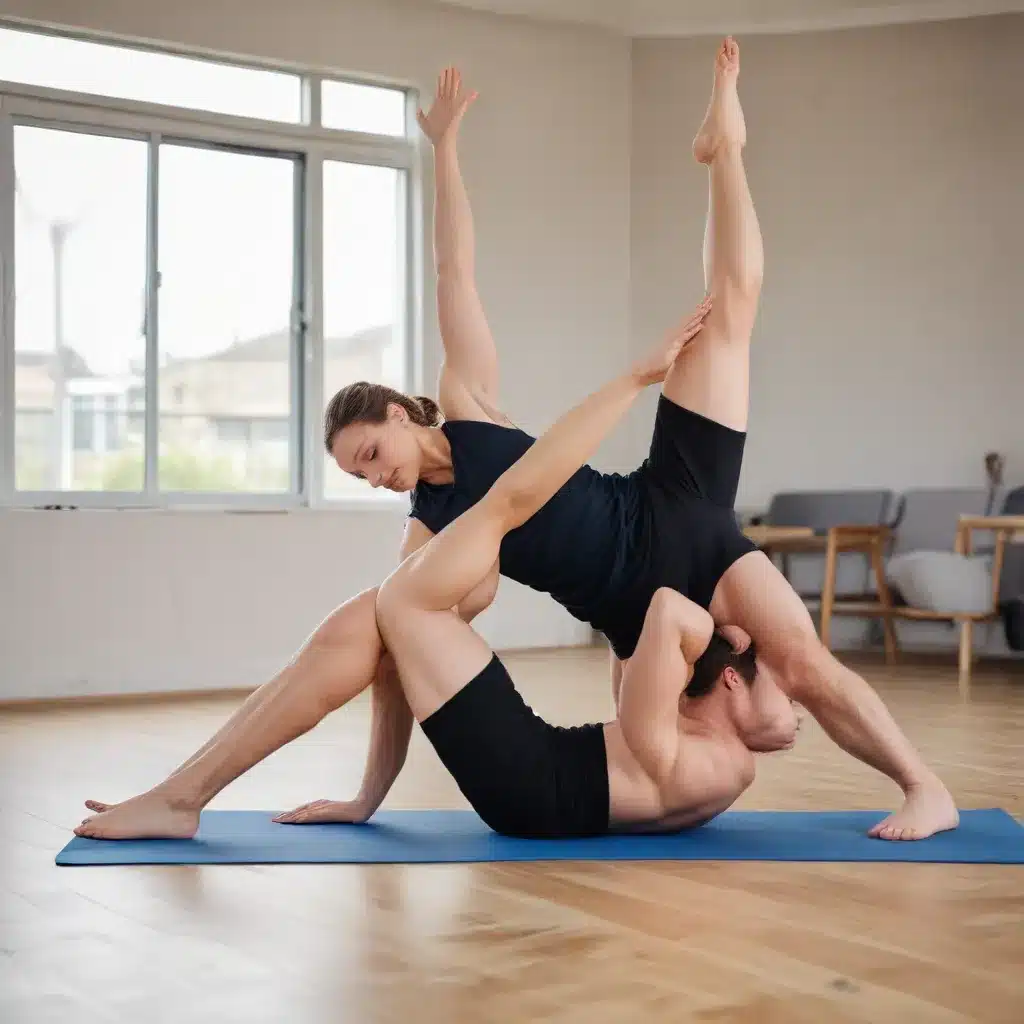
Yoga and Pilates: Enhancing Rugby Flexibility
The Role of Yoga in Improving Rugby Flexibility
As a seasoned rugby professional, I’ve seen firsthand the immense benefits that yoga can provide for improving flexibility in our sport. Rugby is a physically demanding game that requires a diverse range of movements and a high degree of mobility. Tight muscles and limited range of motion can not only hinder performance but also increase the risk of injury. That’s where yoga comes in as a powerful tool to help rugby players optimize their flexibility and movement capabilities.
The practice of yoga incorporates a variety of asanas (poses) that target different muscle groups, joints, and ranges of motion. For rugby players, the emphasis should be on postures that address common problem areas, such as the hamstrings, hip flexors, and shoulders. By regularly integrating these yoga poses into their training routines, players can experience notable improvements in their overall flexibility.
One of the key advantages of yoga for rugby players is the holistic approach it takes to mobility. Unlike traditional static stretching, which can sometimes provide temporary relief but fail to address the underlying causes of tightness, yoga combines physical postures with breathwork and mental focus. This mind-body connection helps players become more attuned to their body’s needs, allowing them to develop a deeper understanding of their own mobility limitations and the areas that require the most attention.
For example, a regular practice of sun salutations (Surya Namaskar) can help open up the chest, shoulders, and hips, while also strengthening the core. Poses like forward folds, backbends, and twists can target the hamstrings, quadriceps, and spine, respectively. By weaving these yoga exercises into their overall training regimen, rugby players can experience a noticeable improvement in their range of motion, which can translate directly to enhanced performance on the pitch.
Pilates: A Complementary Approach to Rugby Flexibility
While yoga offers a comprehensive approach to flexibility, Pilates can serve as an excellent complementary practice for rugby players. Pilates places a strong emphasis on core strength and stability, which are crucial for rugby. By focusing on the deep stabilizing muscles of the trunk, Pilates can help players develop the foundation they need to maintain proper form and technique during demanding movements on the field.
One of the key benefits of Pilates for rugby players is its ability to improve posture and body alignment. Many rugby positions, such as scrumhalves and forwards, require players to adopt specific body positions that can place significant stress on the spine and joints. Pilates exercises, such as the hundred, the roll-up, and the side-lying leg series, can help players strengthen their core, improve their spinal mobility, and maintain better postural alignment.
Moreover, Pilates exercises often incorporate the use of specialized equipment, such as the reformer, the Pilates chair, and the stability ball. These tools can help rugby players target specific muscle groups and challenge their balance and proprioception in ways that traditional floor exercises cannot. By incorporating Pilates into their training regimen, rugby players can develop a more well-rounded approach to flexibility, stability, and overall physical conditioning.
The Synergistic Effects of Yoga and Pilates for Rugby Players
While yoga and Pilates may seem like distinct practices, they can actually work in harmony to provide rugby players with a comprehensive approach to improving flexibility, strength, and overall athletic performance. By combining the benefits of both disciplines, rugby players can create a synergistic effect that allows them to address their physical needs more effectively.
For example, the deep breathing and mindfulness aspects of yoga can complement the focus and control required in Pilates. The stretching and mobility work in yoga can help offset the strength-building emphasis of Pilates, ensuring that players maintain a healthy balance between flexibility and stability. Additionally, the emphasis on core strength and postural alignment in Pilates can enhance the stability and control required to execute complex rugby movements with precision.
By integrating both yoga and Pilates into their training routines, rugby players can work towards optimal flexibility, injury prevention, and overall physical resilience. This holistic approach can help them perform at their best, both in training and during matches, while also promoting long-term joint health and mobility.
The Importance of Mobility and Injury Prevention in Rugby
In the high-impact and physically demanding sport of rugby, maintaining proper mobility and flexibility is not just a performance-enhancing factor, but also a crucial aspect of injury prevention. As a rugby professional, I’ve witnessed firsthand how limited range of motion and tight muscles can leave players vulnerable to a variety of common rugby-related injuries, such as hamstring strains, groin pulls, and shoulder impingements.
By incorporating yoga and Pilates into their training regimens, rugby players can address these common problem areas and build a more resilient and durable physical foundation. Practices like forward folds, hip openers, and shoulder mobility exercises can help players maintain the necessary range of motion to safely execute the dynamic movements required in rugby, while also reducing the risk of overuse injuries.
Moreover, the focus on core stability and postural alignment in Pilates can be particularly beneficial for rugby players. Strong core muscles and proper spinal positioning can help players maintain better control and stability during high-impact collisions, reducing the strain on their joints and ligaments. This, in turn, can lead to a lower incidence of injuries related to poor body mechanics, such as knee sprains, ankle rolls, and low back pain.
By prioritizing mobility, flexibility, and injury prevention through yoga and Pilates, rugby players can not only enhance their on-field performance but also extend their careers and maintain their overall physical well-being. As a seasoned rugby professional, I can attest to the transformative impact that these practices can have on a player’s long-term health and success.
Tailoring Yoga and Pilates Practices for Rugby Players
When it comes to incorporating yoga and Pilates into a rugby training program, it’s important to consider the specific demands and needs of the sport. While the general principles of these practices can be beneficial for any athlete, it’s crucial to tailor the exercises and sequences to address the unique physical requirements of rugby players.
For example, rugby players may need to place a greater emphasis on poses and movements that target the lower body, such as lunges, squats, and hip openers, to improve their mobility and power in key areas like the hips, hamstrings, and quadriceps. Conversely, they may also need to focus on upper body flexibility and stability to maintain proper form and technique during tackles, scrums, and lineouts.
Additionally, rugby players may benefit from incorporating more dynamic and functional movement patterns into their yoga and Pilates routines. This could include incorporating transitional poses, balance exercises, and plyometric elements to better simulate the explosive, multi-directional movements required on the pitch.
It’s also essential to consider the timing and placement of these yoga and Pilates sessions within the overall rugby training program. For instance, incorporating more restorative and relaxation-focused practices during the competitive season or recovery periods, while emphasizing more challenging, strength-building sessions during the offseason or pre-season.
By working closely with experienced yoga and Pilates instructors who have a deep understanding of the demands of rugby, players can create a tailored program that addresses their specific needs and helps them perform at their best, while also reducing the risk of injury.
Measuring the Impact of Yoga and Pilates on Rugby Flexibility
As a seasoned rugby professional, I understand the importance of data-driven decision-making when it comes to optimizing training and performance. When it comes to the impact of yoga and Pilates on rugby flexibility, it’s crucial to have a reliable way to measure and track the improvements over time.
One of the most common and well-established methods for assessing hamstring flexibility in rugby players is the sit-and-reach test. This simple yet effective assessment involves having players sit on the floor with their legs extended, reaching forward as far as they can while keeping their knees straight. The distance they can reach is a reliable indicator of their hamstring flexibility, which is a crucial component of overall mobility in rugby.
By conducting regular sit-and-reach tests throughout the rugby season, both before and after the implementation of a yoga and Pilates program, coaches and trainers can objectively measure the impact of these practices on players’ flexibility. Additionally, incorporating other flexibility assessments, such as shoulder range of motion or ankle dorsiflexion, can provide a more comprehensive understanding of how the yoga and Pilates program is enhancing overall mobility.
Beyond just measuring flexibility, it’s also important to track the direct impact on rugby performance. This could include monitoring changes in players’ sprint times, agility, and power output, as improved flexibility can often translate to enhanced athletic abilities on the field.
By combining these objective measurements with subjective feedback from the players themselves, rugby professionals can gain a well-rounded understanding of the benefits of incorporating yoga and Pilates into their training regimens. This data-driven approach not only helps justify the investment in these practices but also allows for continuous refinement and optimization of the program to ensure the best possible outcomes for the team.
Incorporating Mindfulness and Breath Work into Rugby Training
As a seasoned rugby professional, I’ve come to appreciate the profound impact that mindfulness and breath work can have on athletic performance and overall well-being. While yoga and Pilates are primarily known for their physical benefits, these practices also place a strong emphasis on the mind-body connection, which can be incredibly valuable for rugby players.
The deep, controlled breathing techniques and meditation practices found in yoga can help rugby players enhance their mental focus, improve their ability to manage stress and anxiety, and promote faster recovery between training sessions and matches. By learning to consciously regulate their breathing and cultivate a greater sense of present-moment awareness, players can develop the mental resilience and emotional control necessary to perform at their best, even in high-pressure situations.
Moreover, the mindfulness aspect of yoga can help players become more attuned to the subtle cues and signals their bodies are sending, allowing them to better understand their own physical limitations and the areas that require the most attention. This self-awareness can be particularly beneficial when it comes to injury prevention, as players can more quickly identify and address any underlying issues or imbalances before they escalate into more serious problems.
Similarly, the Pilates practice of focusing on the breath and maintaining a calm, centered state during the exercises can help rugby players cultivate a greater sense of control and composure, both on and off the field. By learning to stay present and focused during the challenging Pilates movements, players can develop the mental discipline and focus required to navigate the fast-paced and physically demanding nature of rugby.
By integrating these mindfulness and breath work practices into their overall training regimen, rugby players can not only enhance their physical capabilities but also improve their mental and emotional well-being. This holistic approach can lead to better decision-making, increased resilience, and a more balanced and sustainable approach to the rigors of the sport.