
Navigating the Unexpected: Lessons from Rugby for Business Leaders
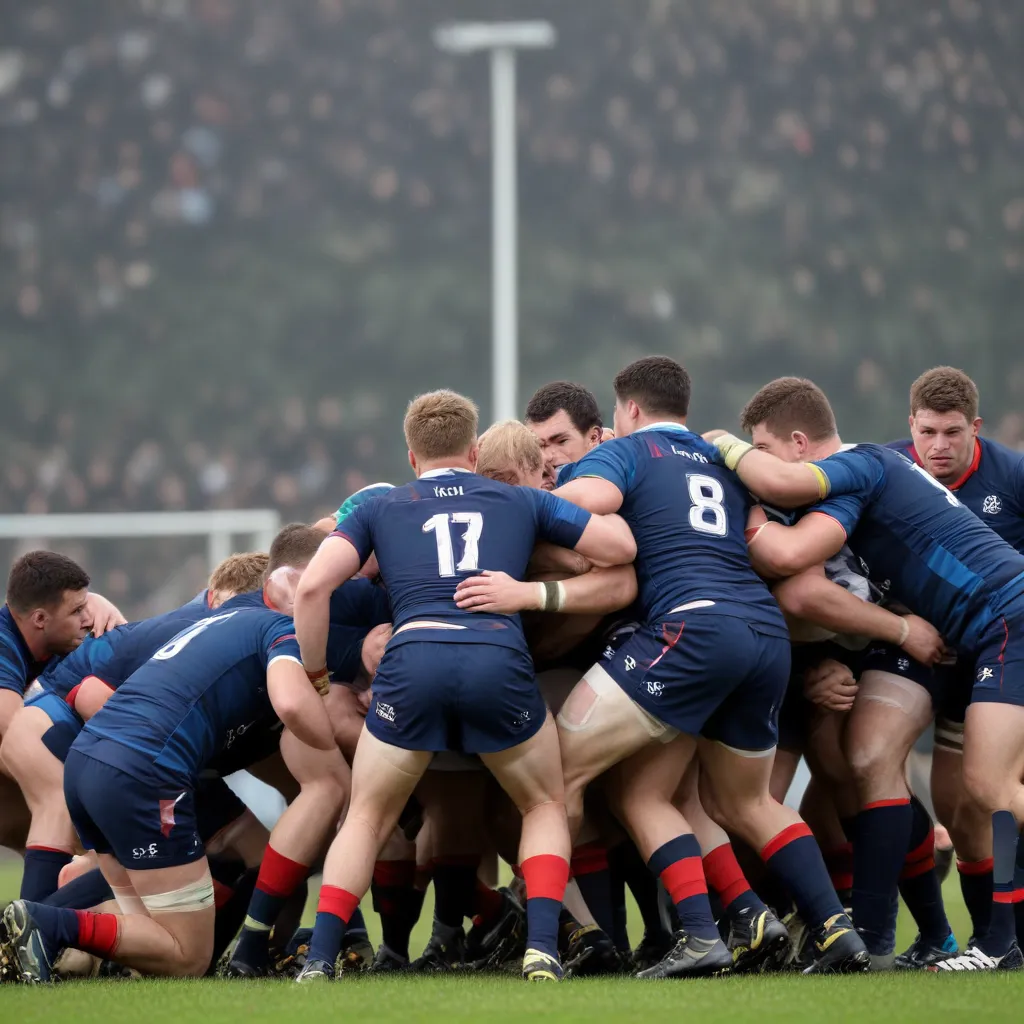
In the dynamic world of professional rugby, unexpected events are the norm rather than the exception. From sudden injuries to game-changing red cards, the ability to respond effectively to unpredictable challenges can make or break a team’s fortunes. As seasoned rugby professionals, we’ve witnessed firsthand how the mental resilience and quick thinking of players and coaches can transform setbacks into opportunities. These valuable lessons extend far beyond the rugby pitch, offering crucial insights for business leaders navigating the complexities of the modern corporate landscape.
Mindset Matters: Reframing Adversity
One of the most inspiring examples of mental fortitude in rugby comes from the story of All Blacks legend, Dan Carter. In the 2011 Rugby World Cup, Carter suffered a devastating groin injury just 36 hours before a crucial pool match against Canada. With the weight of a nation’s hopes resting on his shoulders, Carter could have crumbled under the pressure. Instead, he reframed the challenge, asking himself a powerful question: “How can I turn this into a great opportunity?”
This mindset shift allowed Carter to move past the initial disappointment and focus on what he could control. As he recounts in his memoir, “The Art of Winning,” Carter embraced the setback as a chance to build personal resilience and prove his mettle. This unwavering determination not only saw him return stronger than ever but also cemented his legacy as one of rugby’s all-time greats.
The ability to set the bar high and respond to failures with a growth mindset is a hallmark of successful leaders, both in sport and in business. By emulating Carter’s example and cultivating a mindset that sees obstacles as opportunities, business leaders can unlock their full potential and inspire their teams to do the same.
Assessing Options in the Moment
When unexpected events occur, the ability to quickly evaluate available options and make informed decisions is essential. In the case of Carter’s injury, the All Blacks coaching staff had to swiftly assess the impact on the team’s game plan and determine the best course of action.
Graham Henry, the team’s head coach, knew he needed to consider multiple factors: who would fill Carter’s shoes, how the team’s dynamics would change, and who would serve as the backup to the backup. These decisions had to be made within the span of a day, a week, and even three weeks, as the team prepared for the quarterfinals and beyond.
In the business world, leaders often face similar time-sensitive challenges. Whether it’s a sudden market shift, a supply chain disruption, or a key employee departure, the ability to gather diverse perspectives, weigh options, and make decisions within the appropriate timeframe can mean the difference between navigating a crisis and being overwhelmed by it.
By drawing inspiration from the All Blacks’ example, business leaders can cultivate a culture of agility and adaptability, empowering their teams to respond effectively to the unexpected.
Act Decisively, but Remain Flexible
When Dan Carter went down, the All Blacks had to spring into action, but they did so with a clear understanding of their game plan and tactics. The team recognized that the fundamental approach would remain the same, and they simply needed to execute it with the next man up.
This “Ready, Fire, Aim” mentality, as described by our rugby professional, is a hallmark of effective leadership. While it’s essential to take the time to assess options and gather feedback, leaders must also be willing to act decisively and adjust their course as needed.
In the business world, this approach can help leaders overcome the trap of analysis paralysis, where the fear of making the wrong decision leads to inaction. By embracing a bias for action, while maintaining the flexibility to course-correct, leaders can navigate the unexpected with confidence and agility.
Fostering Mental Wellness in Rugby: A Holistic Approach
Beyond the lessons drawn from navigating unexpected events, the rugby community has also pioneered innovative approaches to supporting the mental health and wellness of players at all levels. As we explore these insights, we can uncover valuable strategies for enhancing the wellbeing of athletes, teams, and organizations alike.
The Injury Conundrum: Overcoming Isolation
One of the most challenging experiences for rugby players can be dealing with injuries and the resulting sense of isolation. As our rugby professional shared, the feeling of being removed from the team dynamic and daily routine can be a significant source of mental anguish.
However, the most successful teams have found ways to combat this isolation and keep injured players engaged and connected. By encouraging injured players to take on support staff roles, participate in tactical discussions, and remain involved in team activities, coaches can help maintain a sense of belonging and purpose.
This holistic approach not only benefits the individual player but also strengthens the team’s overall cohesion and morale. As team members rally around their injured comrades, they cultivate a culture of empathy, support, and shared responsibility.
Championing Openness and Dialogue
In the high-pressure world of professional rugby, the stigma surrounding mental health can often prevent players from seeking the support they need. To combat this, leading international teams have made concerted efforts to foster open dialogue and destigmatize discussions around mental wellbeing.
Through initiatives such as mental health awareness campaigns, player-led wellness programs, and regular check-ins with mental health professionals, these teams have created safe spaces for athletes to share their struggles and access the resources they need. By normalizing these conversations and encouraging players to prioritize their mental health, they empower individuals to take proactive steps towards self-care and personal growth.
This commitment to mental wellness not only benefits the players but also strengthens the entire organization. When team members feel supported and empowered to prioritize their mental health, they are better equipped to perform at their best, both on and off the field.
Whole-Person Development: Investing in the Individual
Successful rugby programs recognize that true excellence extends beyond the physical capabilities of their athletes. By adopting a holistic approach to player development, they aim to nurture the well-rounded individual, addressing mental, emotional, and social needs alongside technical and tactical skills.
Through initiatives such as life skills workshops, career transition support, and community engagement programs, these teams ensure that their players are equipped with the tools and resources to thrive not only in their sporting careers but also in their personal and professional lives.
This investment in the whole person pays dividends both on and off the field. Players who feel supported in their personal growth and development are more likely to exhibit resilience, adaptability, and a deeper sense of purpose – qualities that translate directly to their on-field performance and team cohesion.
Tackling Mental Health Challenges: Insights for the Global Rugby Community
As we examine the mental health and wellness practices of leading international rugby teams, there are valuable lessons and best practices that can be shared with the broader rugby community, from grassroots clubs to national governing bodies.
Cultivating a Culture of Empathy and Inclusion
One of the most powerful takeaways from the rugby world’s approach to mental health is the emphasis on creating a culture of empathy and inclusion. By fostering an environment where players feel safe to open up, share their struggles, and seek support, teams can break down the stigma and encourage proactive engagement with mental health resources.
Clubs and organizations can implement this by:
– Hosting mental health awareness campaigns and workshops
– Ensuring that coaches and staff are trained in recognizing and addressing mental health concerns
– Establishing confidential channels for players to seek support and guidance
– Celebrating and amplifying the stories of athletes who have overcome mental health challenges
Holistic Player Development Programs
The rugby community’s commitment to whole-person development provides a compelling model for clubs and organizations to emulate. By investing in programs that address the mental, emotional, and social needs of players, alongside their physical and technical skills, teams can foster well-rounded individuals who are better equipped to navigate the demands of the sport and life beyond it.
Initiatives such as:
– Life skills workshops (financial management, career planning, communication, etc.)
– Mentorship programs pairing experienced players with younger athletes
– Community engagement and volunteering opportunities
– Transition support for players retiring from the sport
These holistic approaches not only benefit the players but also strengthen the overall cohesion and resilience of the team.
Collaborative Partnerships and Knowledge Sharing
As the rugby community continues to lead the way in addressing mental health challenges, there is a tremendous opportunity for collaboration and knowledge sharing across international teams, clubs, and governing bodies.
By fostering open dialogues, sharing best practices, and collectively addressing the unique mental health needs of rugby players, the global rugby community can amplify its impact and inspire positive change throughout the sport.
Potential collaborative initiatives could include:
– International forums and conferences dedicated to mental health in rugby
– Peer-to-peer coaching and mentorship programs for team staff and medical professionals
– Cross-border player development exchanges and joint training camps
– Coordinated research and data-sharing initiatives to inform evidence-based approaches
Conclusion: Embracing the Mental Health Challenge
As we’ve explored, the rugby community’s unwavering commitment to supporting the mental health and wellness of its players, coaches, and staff offers invaluable insights for business leaders and organizations across industries. By emulating the resilience, adaptability, and holistic approaches championed by international rugby teams, we can unlock new pathways to success, both on and off the field.
Whether navigating unexpected challenges or fostering a culture of empathy and inclusion, the lessons from the rugby world serve as a powerful reminder that true excellence is rooted in the cultivation of the human spirit. As we embrace this mental health challenge, we have the opportunity to redefine the way we approach leadership, teamwork, and personal growth – inspiring others to follow in our resilient and compassionate footsteps.
By prioritizing mental health and wellness, the global rugby community has the potential to lead the way, setting a new standard for what it means to be a truly high-performing, purpose-driven organization. As we continue to tackle this vital issue, let us draw strength from the unbreakable spirit of rugby and the transformative power of mental resilience.