
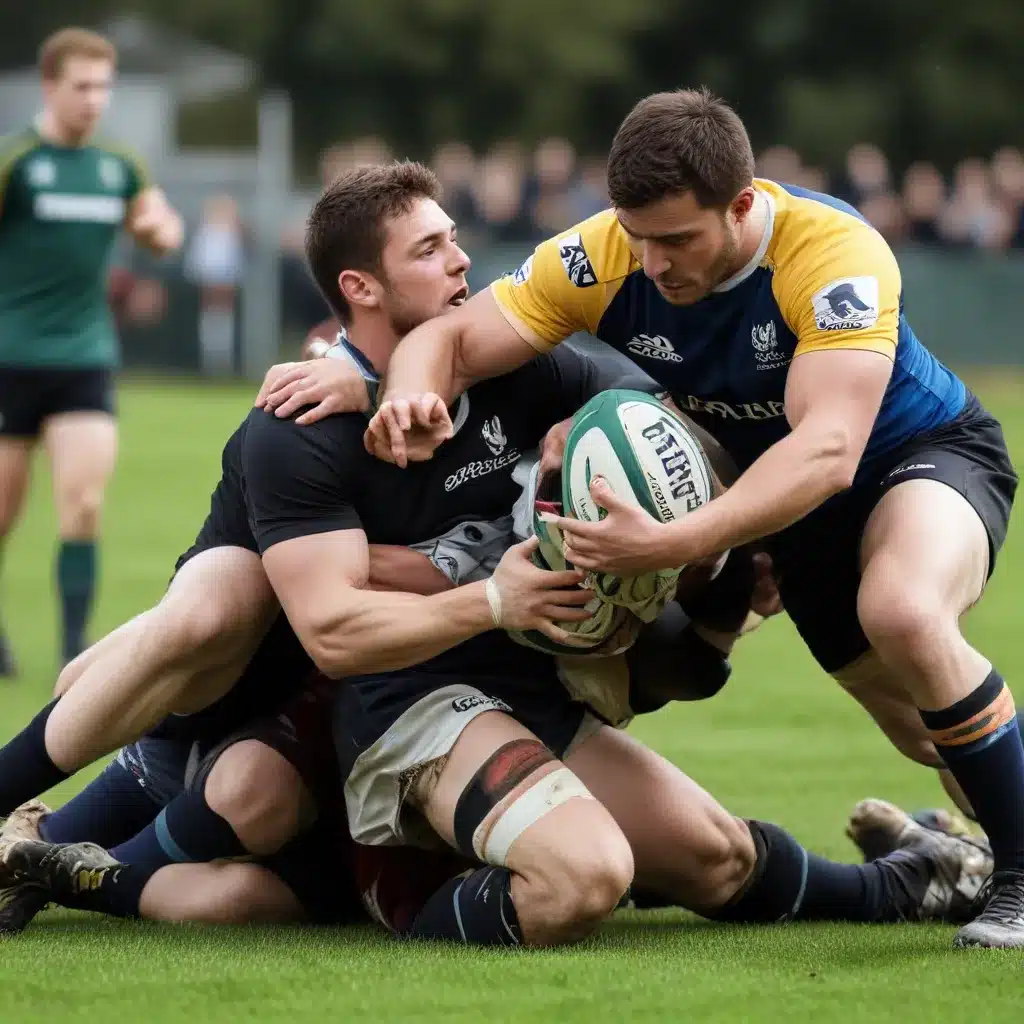
Understanding Common Rugby Union Injuries
As a seasoned rugby professional, I’ve seen my fair share of injuries on the pitch. From muscle strains and ligament sprains to concussions and fractures, the physical demands of this sport can take a toll on the body. While injuries are an unfortunate part of the game, understanding their causes and implementing effective rehabilitation strategies is key to getting our players back on the field stronger than ever.
Types of Rugby Union Injuries
One of the most prevalent injuries in rugby is the muscle strain, particularly in the hamstring group. The explosive nature of sprinting, high-speed changes of direction, and physical contact can all lead to these painful and debilitating soft tissue injuries. Ligament sprains, such as ankle and knee sprains, are also common due to the sudden, forceful movements and impact involved in the sport.
Concussions are another major concern, as rugby players are susceptible to head impacts and collisions. These traumatic brain injuries require careful monitoring and a gradual return to play protocol to ensure the player’s long-term health and safety.
Fractures, while less frequent, can occur in rugby as a result of the intense physical contact. Clavicle, rib, and even spinal fractures have been reported, often requiring immobilization and a longer recovery period.
Causes of Rugby Union Injuries
The inherent physicality of rugby union is a key contributing factor to the high injury rates. The repeated collisions, tackles, and rucks place tremendous stress on the musculoskeletal system. Sudden changes in direction, rapid acceleration and deceleration, and explosive movements also increase the risk of soft tissue strains and sprains.
Fatigue and overuse can also predispose players to injury, as the cumulative demands of training and competition take a toll on the body. Inadequate recovery, poor conditioning, and improper technique are all potential culprits.
Rehabilitation Strategies for Rugby Union Injuries
Effective injury rehabilitation is essential for getting our rugby players back on the field safely and performing at their best. A comprehensive approach that addresses the physical, physiological, and psychological aspects of recovery is key.
Physiotherapy Interventions
Physiotherapy plays a crucial role in the rehabilitation process. Manual therapy techniques, such as soft tissue mobilization and joint mobilization, can help reduce pain, improve range of motion, and promote tissue healing.
Therapeutic exercises, tailored to the specific injury, are a cornerstone of the rehabilitation program. These may include strengthening exercises, proprioceptive training, and sport-specific drills to gradually restore function and prepare the player for a safe return to the game.
The judicious use of modalities, such as heat, ice, ultrasound, and electrical stimulation, can also aid in the management of pain, inflammation, and tissue healing.
Exercise-based Rehabilitation
A well-designed exercise program is essential for restoring strength, power, and endurance in the injured player. Strength training, with a focus on eccentric exercises, helps to rebuild muscle tissue and improve force production capabilities. Cardiovascular conditioning, such as cycling or swimming, maintains overall fitness without putting undue stress on the injured area.
Proprioception and balance exercises are also important, as they help to improve neuromuscular control and reduce the risk of re-injury. These may include activities like single-leg stands, balance board exercises, and plyometric drills.
Nutritional Considerations
Proper nutrition plays a vital role in the rehabilitation process. Ensuring adequate protein intake supports the repair and regeneration of muscle tissue. Staying hydrated is also crucial, as dehydration can impair recovery and increase the risk of further injury.
Anti-inflammatory foods, such as those rich in omega-3 fatty acids, can help to reduce inflammation and promote healing. Supplementation with vitamins and minerals, like vitamin C and zinc, may also aid in the body’s natural healing response.
Returning to Rugby After Injury
The ultimate goal of the rehabilitation process is to safely return the player to the sport, with the confidence and physical capabilities to perform at their pre-injury level. This gradual progression requires careful monitoring, fitness testing, and a comprehensive risk management strategy.
Gradual Return to Play Progression
The return to play process should be a gradual, step-by-step approach. Initially, the player may start with light, non-contact training, focusing on cardiovascular and skill-based activities. As they progress, the intensity and duration of training can be incrementally increased, with the introduction of more physical contact drills and sport-specific movements.
Throughout this process, the player’s tolerance and response to the increased demands should be closely monitored. Any setbacks or exacerbation of symptoms should be addressed promptly, and the rehabilitation plan adjusted accordingly.
Fitness Testing and Criteria
Before clearing a player to return to full competition, it is essential to assess their physical readiness. This may include a battery of tests, such as strength and power assessments, cardiovascular endurance evaluations, and sport-specific performance measures.
The player should demonstrate no significant deficits in strength, power, or endurance when compared to their uninjured side or pre-injury baseline. They should also be able to execute sport-specific drills and movements without pain or limitations.
Risk Management Strategies
Even after successful rehabilitation, the risk of re-injury remains a concern. Implementing proactive injury prevention programs, such as neuromuscular training and movement pattern correction, can help to reduce the likelihood of a recurrence.
Ongoing monitoring and communication with the medical team are crucial. Regular check-ins, progress assessments, and the willingness to modify the rehabilitation plan as needed will ensure the player’s safe and successful return to the game.
Conclusion
Navigating the complexities of rugby union injuries and rehabilitation can be a daunting task, but with a comprehensive, evidence-based approach, we can help our players return to the pitch stronger than ever. By addressing the physical, physiological, and psychological aspects of recovery, and implementing a gradual, well-planned return to play protocol, we can minimize the risk of re-injury and empower our athletes to perform at their best.
As a seasoned rugby professional, I’ve seen firsthand the transformative power of effective injury rehabilitation. By embracing innovative training techniques, prioritizing nutrition and recovery, and fostering a culture of safety and support, we can ensure our players not only recover from setbacks but emerge as more resilient, capable athletes. It’s a challenge, to be sure, but one that I’m honored to tackle alongside the dedicated coaches, trainers, and medical staff of Aberdeenshire RFC.