
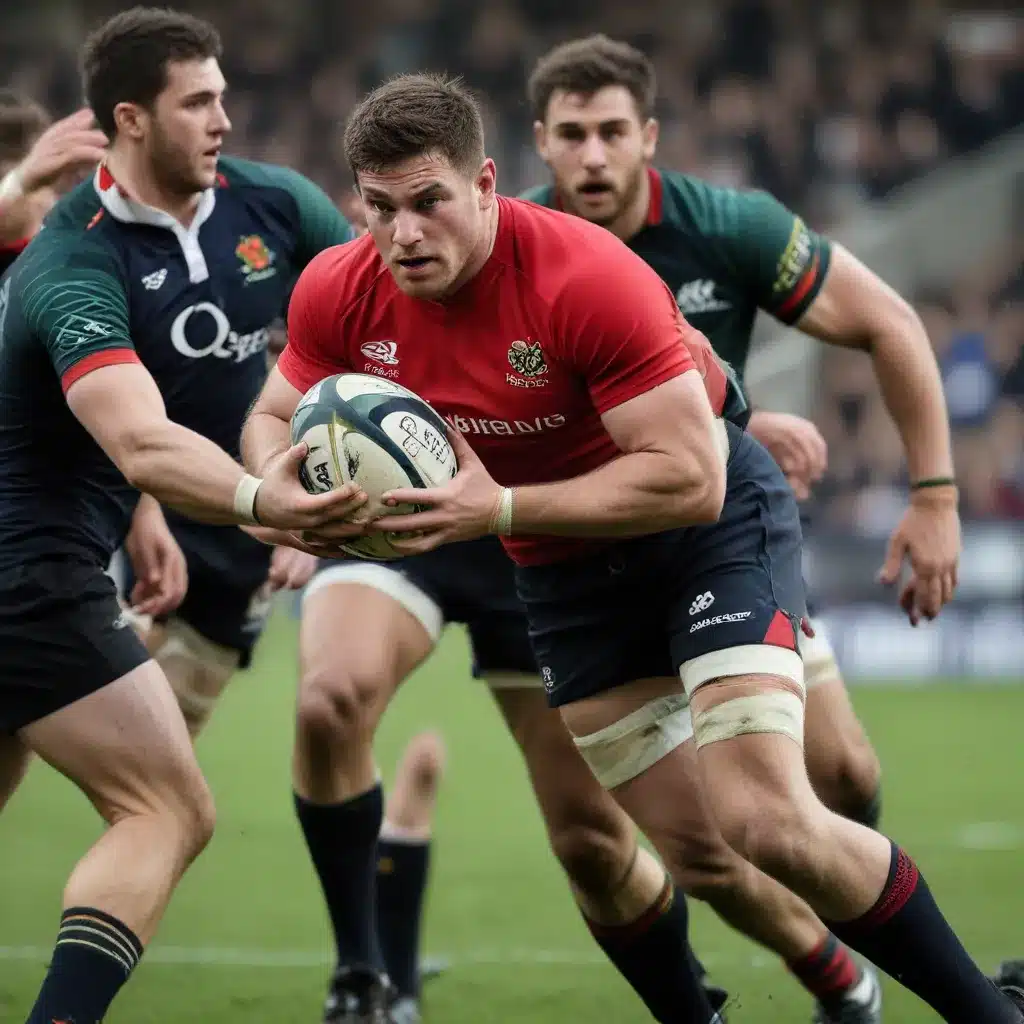
As a seasoned rugby professional, I’ve seen firsthand the physical challenges our sport presents. From explosive collisions to high-speed sprints, rugby places immense demands on the body – demands that can lead to debilitating injuries if not properly managed. But the truth is, with the right preventive strategies and rehabilitation approaches, we can significantly reduce the risk and mitigate the long-term consequences of these injuries.
Common Rugby Union Injury Types and Their Impact
Rugby union is a notoriously physical game, with players routinely engaging in high-impact contact, rapid changes of direction, and explosive bursts of speed. This combination of forces places tremendous stress on the musculoskeletal system, leading to a wide range of potential injuries. Some of the most common include:
- Concussions: Caused by sudden impacts to the head, concussions can have serious short-term and long-term neurological consequences if not properly managed.
- Ligament Sprains: Sudden changes of direction or heavy tackles can cause injuries to the knee, ankle, and other major joints.
- Muscle Strains: The explosive nature of rugby, especially during sprinting and kicking, commonly leads to strains in the hamstrings, quadriceps, and other major muscle groups.
- Contusions: Hard collisions with other players or the ground can result in painful bruising and swelling.
The consequences of these injuries can be significant, both for the individual player and the team as a whole. Missed games, prolonged recovery times, and the potential for long-term health issues like chronic pain or neurological disorders can all impact a player’s career and quality of life. As a result, it’s imperative that we as rugby professionals take a proactive approach to injury prevention and management.
Preventive Strategies for Rugby Union Players
Proper Protective Equipment
One of the most important steps in injury prevention is ensuring that players are outfitted with the appropriate protective gear. This includes high-quality rugby helmets, mouthguards, shoulder pads, and other essential equipment designed to mitigate the impact of collisions and falls. Regularly inspecting and replacing worn or damaged gear is also crucial.
Technique and Movement Pattern Optimization
Beyond protective equipment, players must also focus on developing proper technique and movement patterns to reduce their risk of injury. This includes things like:
- Correct tackling form to avoid head and neck injuries
- Proper running mechanics to prevent muscle strains
- Agile change-of-direction skills to avoid joint sprains
By working closely with coaches and sports medicine professionals, players can identify and address any technical deficiencies that may be putting them at risk.
Strength and Conditioning Protocols
A well-designed strength and conditioning program is essential for rugby union players. By developing muscular strength, power, and endurance, players can better withstand the physical demands of the game and reduce their susceptibility to injuries. Key focus areas should include:
- Compound exercises to build total-body strength
- Plyometric training for explosive power
- Targeted mobility and flexibility work
Incorporating these elements into a comprehensive, sport-specific training regimen can go a long way in preparing players for the rigors of rugby union.
Rehabilitation and Recovery Principles
Injury Assessment and Diagnosis
When an injury does occur, the first step is to undergo a thorough assessment and diagnosis. This typically involves a combination of physical examination, diagnostic imaging (e.g., X-rays, MRI), and specialized testing to determine the precise nature and extent of the injury. Accurate diagnosis is crucial for developing an effective rehabilitation plan.
Personalized Rehabilitation Approaches
Once the injury is identified, the rehabilitation process should be tailored to the individual player’s needs. This may involve a combination of:
- Targeted strengthening exercises
- Range-of-motion and flexibility work
- Neuromuscular control drills
- Gradual return-to-play protocols
The goal is to not only address the immediate injury, but also identify and resolve any underlying weaknesses or imbalances that may have contributed to the problem in the first place.
Long-term Health Maintenance
Ultimately, the true measure of a successful rehabilitation program is the player’s ability to return to rugby union and maintain long-term health and performance. This may require ongoing monitoring, periodic reassessment, and continued maintenance work to address any lingering issues or prevent future injuries.
Biomechanics and Injury Prevention
Movement Analysis and Optimization
By closely analyzing the biomechanics of rugby union movements, sports medicine professionals can identify areas for improvement and develop targeted interventions. This may involve using advanced motion capture technology to assess factors such as:
- Joint angles and ranges of motion
- Muscle activation patterns
- Force production and load distribution
Armed with this data, players can then work to refine their techniques and movement patterns to optimize performance and reduce injury risk.
Technique Refinement for Injury Mitigation
In addition to general movement optimization, there is also a need to focus on the specific techniques and skills required in rugby union. For example, proper tackling form is crucial for minimizing head and neck injuries, while efficient running mechanics can help prevent muscle strains. By collaborating with coaches, players can continually hone their technical abilities to withstand the demands of the sport.
Equipment Design and Its Impact on Injury Risk
The design and construction of rugby union equipment, from protective gear to playing surfaces, can also have a significant impact on injury risk. Sports biomechanics experts often work closely with equipment manufacturers to ensure that products are engineered to provide optimal protection and performance while minimizing the potential for harm.
Fitness and Conditioning for Rugby Union Players
Strength Training for Injury Prevention
As mentioned earlier, a comprehensive strength training program is essential for rugby union players. By developing muscular strength and power, players can better absorb and withstand the forces encountered during the game. This not only reduces the risk of acute injuries but also helps to prevent overuse issues over the long term.
Endurance and Agility Training Benefits
In addition to pure strength, rugby union players must also possess exceptional levels of cardiovascular endurance and agility. High-intensity interval training, plyometric exercises, and sport-specific drills can help players build the stamina and movement skills necessary to excel on the pitch while reducing their susceptibility to fatigue-related injuries.
Flexibility and Mobility Considerations
While strength and power are critical, maintaining adequate flexibility and joint mobility is also crucial for injury prevention in rugby union. Players should incorporate regular stretching, foam rolling, and other mobility-enhancing activities into their training regimen to ensure that their musculoskeletal system is prepared to handle the demands of the sport.
Sports Medicine Expertise in Rugby Union
Multidisciplinary Injury Management
Effectively managing rugby union injuries often requires a multidisciplinary approach, involving a team of sports medicine professionals, including:
- Physicians (sports medicine specialists, orthopedists, neurologists)
- Physical therapists and athletic trainers
- Strength and conditioning coaches
- Nutritionists and sports psychologists
By collaborating across disciplines, this team can provide comprehensive care and develop a cohesive rehabilitation plan tailored to the individual player’s needs.
Early Intervention and Proactive Care
In the world of rugby union, the old adage “an ounce of prevention is worth a pound of cure” rings especially true. By prioritizing early intervention and proactive care, sports medicine professionals can help players address minor issues before they escalate into more serious problems. This may involve regular screening, targeted prehabilitation exercises, and close monitoring of player workloads and recovery.
Athlete Education and Empowerment
Ultimately, the most effective injury prevention strategies in rugby union involve empowering players to take an active role in their own health and wellbeing. By educating athletes on the importance of proper technique, the value of strength and conditioning, and the principles of effective rehabilitation, sports medicine professionals can equip players with the knowledge and tools they need to manage their bodies and mitigate the risk of injury over the long term.
At the Aberdeenshire RFC, we understand the challenges that come with playing rugby union at a high level. That’s why we’ve assembled a dedicated team of sports medicine experts, coaches, and strength and conditioning professionals, all working together to help our players perform at their best while prioritizing safety and long-term health. By embracing a comprehensive approach to injury prevention and rehabilitation, we’re confident that our players can not only excel on the pitch but also enjoy long, fulfilling careers in the sport they love.