
The Prevalence of Chronic Injuries in Rugby
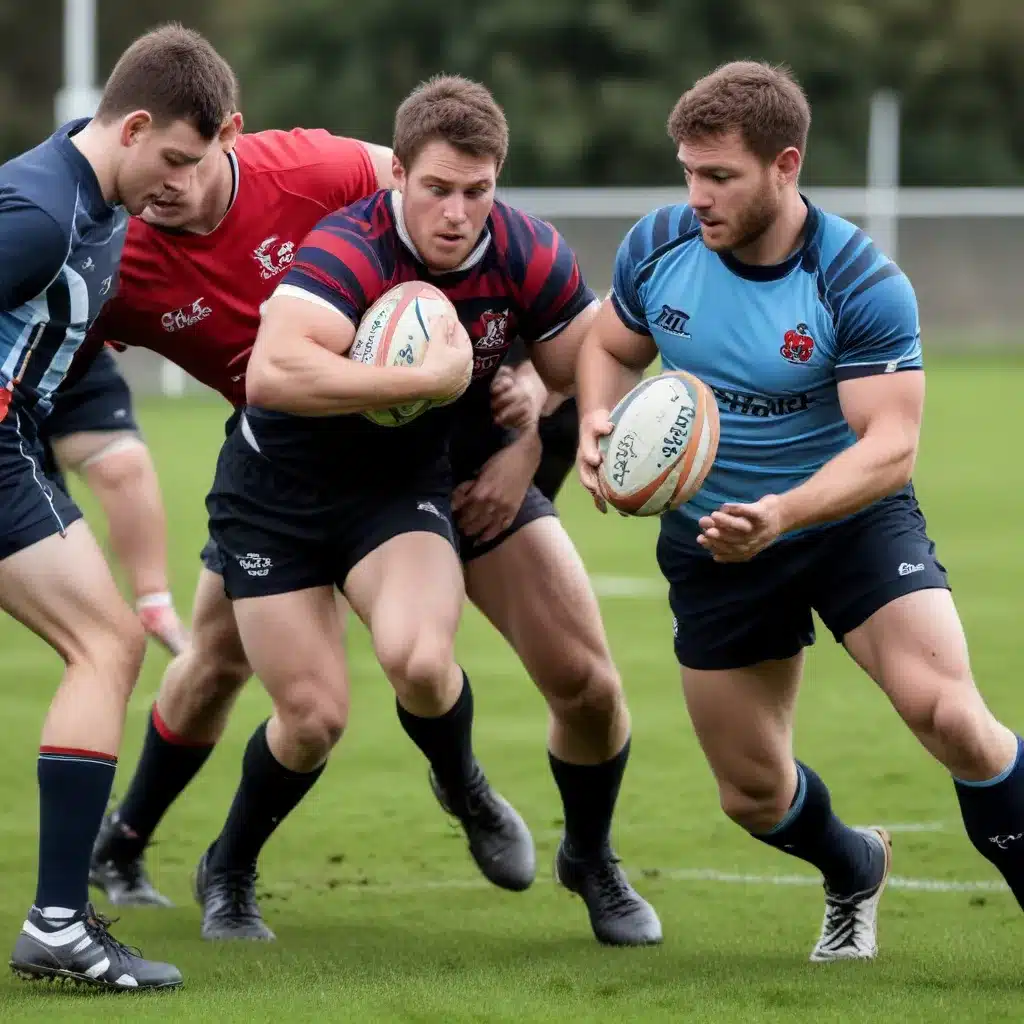
Rugby is a physically demanding sport that puts immense stress on players’ bodies, leading to a high incidence of chronic injuries. From debilitating shoulder dislocations to persistent knee issues and recurring hamstring strains, many elite rugby players battle ongoing musculoskeletal problems that can sideline them for extended periods.
In fact, a recent study found that over 90% of elite adolescent rugby players sustained at least one injury over a 52-week period, with an average of 4.1 injuries per 1,000 hours of exposure. The financial burden of these injuries is staggering, with sports-related accidents costing healthcare systems over $1 billion globally each year.
Beyond the economic impact, chronic injuries can have a devastating effect on a player’s career and quality of life. Persistent pain, limited mobility, and reduced performance capabilities can be incredibly demoralizing, threatening both a player’s livelihood and their passion for the game. Overcoming these challenges requires a multifaceted approach that goes beyond traditional rehabilitation methods.
Limitations of Conventional Rehabilitation Techniques
For too long, the sports medicine community has relied on a one-size-fits-all approach to injury rehabilitation. Endless hours of physiotherapy, strengthening exercises, and passive modalities like ultrasound and electrical stimulation have certainly helped many athletes return to play. But for those dealing with chronic, complex conditions, these conventional techniques often fall short.
The problem lies in their inability to address the underlying causes of injury. By focusing solely on the injured area, traditional rehab fails to consider the broader implications of movement dysfunction, muscle imbalances, and altered biomechanics. This myopic view can lead to temporary symptom relief, only for the problem to resurface down the line.
Moreover, the sheer monotony of conventional rehab programs can undermine player motivation and adherence. When faced with the prospect of endless hours on the exercise bike or the same old stretching routines, many athletes struggle to maintain the discipline and focus required for a successful recovery.
Innovative Rehabilitation Techniques
Fortunately, the sports medicine landscape is evolving, with a growing emphasis on integrative, athlete-centered approaches to injury rehabilitation. By drawing from a diverse array of disciplines, these innovative techniques seek to address the root causes of chronic conditions and empower players to take an active role in their recovery.
Regenerative Therapies
One of the most exciting advancements in this field is the use of regenerative therapies, such as platelet-rich plasma (PRP) and stem cell treatments. These biologics harness the body’s natural healing processes, delivering a concentrated dose of growth factors and stem cells to the site of injury.
Unlike conventional injections that merely mask the pain, regenerative therapies aim to stimulate the repair and regeneration of damaged tissues. For rugby players dealing with stubborn tendon or ligament issues, these cutting-edge treatments have shown promising results in reducing inflammation, accelerating healing, and restoring function.
Neuromuscular Retraining
Another innovative approach to chronic injury rehabilitation is neuromuscular retraining. This technique focuses on reestablishing the neural pathways between the brain and the affected muscle groups, helping to restore proper movement patterns and dynamic stability.
By incorporating advanced techniques like kinesiological EMG and real-time biofeedback, neuromuscular retraining can identify and target specific muscle imbalances or neuromuscular deficits that contribute to chronic pain and instability. This holistic approach not only alleviates symptoms but also addresses the underlying dysfunctions that predispose players to recurrent injuries.
Integrative Rehabilitation Approaches
In addition to these cutting-edge therapies, many sports medicine practitioners are embracing a more holistic, integrative approach to rehabilitation. By combining traditional modalities like physiotherapy and strength training with alternative therapies such as acupuncture, massage, and mindfulness practices, these comprehensive programs aim to address the physical, mental, and emotional aspects of the injury experience.
This personalized, athlete-centered approach recognizes that each player’s path to recovery is unique. By working closely with the player to develop a tailored rehabilitation plan, these integrative programs can enhance motivation, adherence, and long-term success.
Optimizing Recovery and Performance
Effective rehabilitation for chronic injuries in rugby goes beyond simply treating the physical symptoms. It requires a deep understanding of the athlete’s individual needs, goals, and barriers to recovery. By empowering players to take an active role in their rehabilitation and fostering a collaborative, multidisciplinary approach, sports medicine professionals can help rugby players not only overcome their injuries but also emerge stronger, more resilient, and better equipped to perform at the highest level.
Athlete-Centered Rehabilitation
At the heart of this innovative approach is a unwavering commitment to the athlete’s wellbeing. Rather than imposing a one-size-fits-all protocol, the sports medicine team works closely with the player to develop a personalized rehabilitation plan that addresses their unique physical, mental, and emotional needs.
This level of individualization is crucial for enhancing motivation and adherence. By tailoring the program to the player’s preferences, priorities, and learning style, the rehabilitation team can help the athlete feel heard, understood, and invested in the recovery process. Moreover, by incorporating the player’s input and feedback, the team can continually refine the program to ensure its effectiveness.
Multidisciplinary Rehabilitation Teams
Overcoming chronic injuries in rugby requires a collaborative, multidisciplinary approach that harnesses the expertise of various specialists. From orthopedic surgeons and physical therapists to sports psychologists and nutritionists, this diverse team works in lockstep to address the player’s needs from every angle.
By fostering open communication and a shared understanding of the player’s goals, this holistic approach ensures that no aspect of the rehabilitation process is overlooked. Whether it’s fine-tuning the player’s biomechanics, optimizing their nutritional intake, or helping them manage the mental stress of the injury, the multidisciplinary team provides a comprehensive, integrated solution.
Overcoming Barriers to Innovative Rehabilitation
Despite the growing evidence supporting the efficacy of these innovative rehabilitation techniques, some players and even within the sports medicine community remain skeptical of their value. Concerns about cost, accessibility, and the perceived “unconventional” nature of these approaches can create barriers to their widespread adoption.
To overcome these challenges, sports medicine professionals must engage in ongoing education and advocacy. By demonstrating the long-term benefits of these integrative programs, they can help dispel misconceptions and build trust among players, coaches, and even healthcare providers.
Moreover, there is a pressing need to improve the accessibility and affordability of these innovative rehabilitation services. By partnering with governing bodies, insurance providers, and community organizations, sports medicine practitioners can work to ensure that all players, regardless of their financial resources, have access to the cutting-edge care they deserve.
Conclusion: The Future of Chronic Injury Management in Rugby
As the demands of elite rugby continue to push the limits of human performance, the need for innovative, player-centric rehabilitation approaches has never been more apparent. By embracing a diverse array of regenerative therapies, neuromuscular retraining techniques, and integrative, holistic programs, sports medicine professionals can help rugby players not only overcome their chronic injuries but also emerge as stronger, more resilient athletes.
At Aberdeenshire RFC, we are committed to staying at the forefront of this evolving field, continually seeking out the latest advancements and best practices to support our players’ long-term health and success. Through ongoing education, collaboration, and a steadfast focus on the individual needs of each athlete, we are confident that we can help our players overcome even the most debilitating chronic conditions and reclaim their passion for the game.
The future of chronic injury management in rugby is bright, and the Aberdeenshire RFC medical team is proud to be at the forefront of this exciting journey. By empowering our players, fostering a culture of innovation, and striving for excellence in every aspect of their care, we are confident that we can help them write the next chapter of their rugby success stories.