
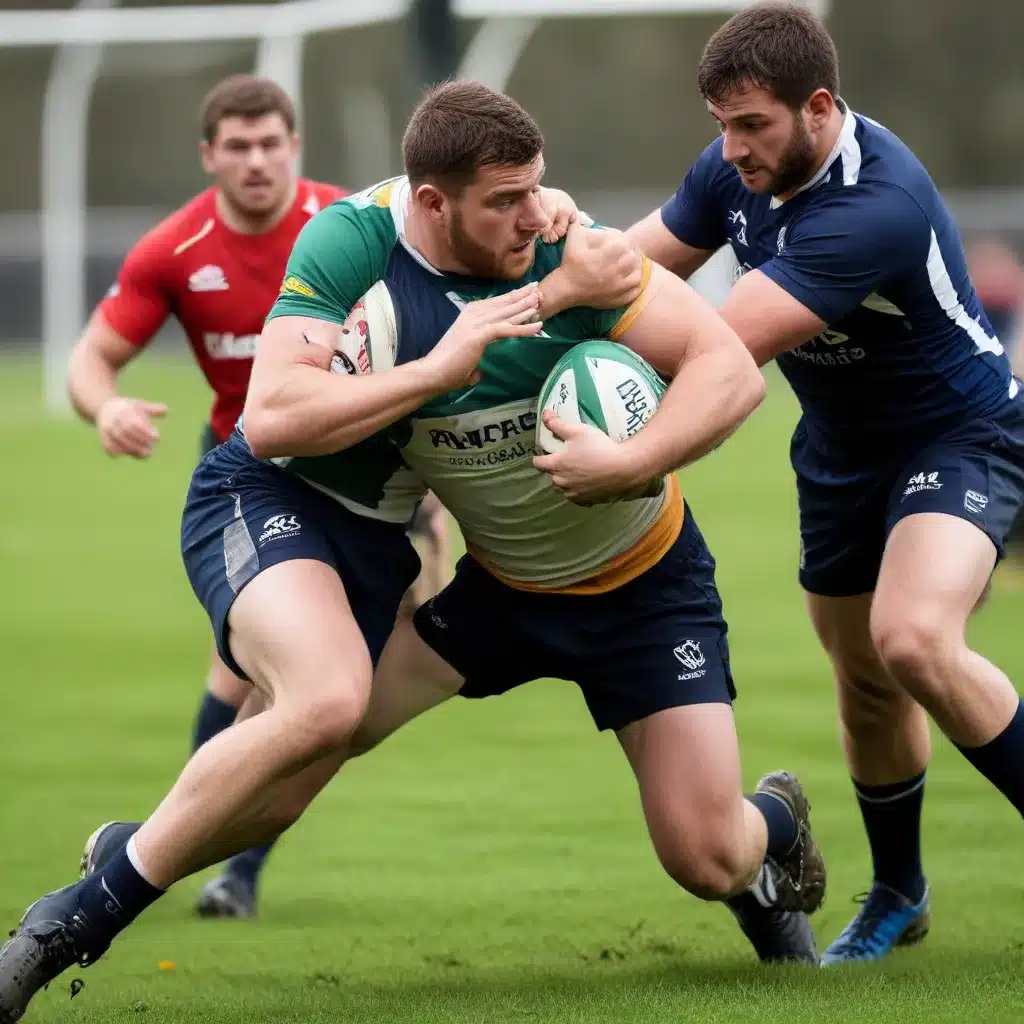
Overcoming Injuries: Innovative Approaches to Rugby Player Recovery
As a seasoned rugby professional, I’ve seen firsthand the challenges that injuries can pose for players. Whether it’s a hard-hitting tackle, a grueling training session gone awry, or an unexpected mishap, injuries are an unfortunate reality in our sport. But the truth is, how we approach player recovery can make all the difference in getting our athletes back on the pitch and performing at their best.
Prevalent Injury Types in Rugby
Rugby is a physically demanding sport, and the toll it takes on the body is undeniable. From the punishing collisions to the constant physical strain, players are susceptible to a wide range of injuries. Some of the most common ones we see at the Aberdeenshire RFC include:
- Concussions: The high-impact nature of the game means head injuries are always a concern. Proper concussion management and a cautious return-to-play protocol are essential.
- Knee and Ankle Sprains: The quick changes in direction and explosive movements can often lead to strains and sprains in the lower extremities.
- Shoulder Dislocations: Recurring shoulder instability is a common issue, especially among our contact players.
- Hamstring Strains: Muscle tightness and fatigue can contribute to these frustrating soft tissue injuries.
- Rib Fractures: Powerful impacts to the torso can result in broken ribs, which can be painfully debilitating.
The impact of these injuries on player performance is significant. A serious knee injury, for instance, can sideline an athlete for months, disrupting their training, match rhythm, and overall conditioning. Even less severe issues like ankle sprains can linger, limiting a player’s explosiveness and agility. Effectively managing the recovery process is crucial to getting our athletes back to peak form.
The Importance of Effective Recovery
Recovering from an injury is about more than just physical healing. It requires a holistic approach that addresses the mental, emotional, and nutritional aspects as well. A player who is worried about re-injury or frustrated by the rehabilitation process is less likely to adhere to their program and regain optimal function.
That’s why at Aberdeenshire RFC, we’ve made it a priority to implement innovative approaches to player recovery. By drawing on the latest sports medicine research and embracing cutting-edge technologies, we’re able to not only accelerate the physical healing process but also support our athletes’ overall wellbeing throughout their journey back to the pitch.
Emerging Rehabilitation Techniques
The field of sports medicine is constantly evolving, and we’ve been eager to incorporate some of the latest advancements into our recovery protocols. One technique that has shown promising results is intramuscular dry needling. This method involves the strategic insertion of fine needles into trigger points and tight muscle bands, helping to reduce pain, improve range of motion, and facilitate the body’s natural healing processes.
According to a recent study, dry needling has demonstrated therapeutic effects on rotator cuff lesions and has improved shoulder mobility in elite athletes. Our physios have seen similar benefits with our rugby players, using this technique to address everything from nagging shoulder issues to stubborn hamstring tightness.
Another area we’ve been exploring is blood flow restriction (BFR) training. This innovative approach involves using a specialized tourniquet to temporarily restrict venous blood flow during low-intensity exercise. By doing so, we’re able to elicit muscular adaptations similar to those seen with heavy-load resistance training, all while minimizing the stress on the injured area. Research has shown that BFR can be an effective tool for enhancing upper body strength and muscle development, making it a valuable complement to our rehabilitation programs.
Technological Solutions for Recovery
Technology has also revolutionized the way we approach player recovery. At Aberdeenshire RFC, we’ve invested in a range of wearable devices and monitoring systems that allow us to track our athletes’ progress and make data-driven decisions.
Our GPS-enabled trackers, for example, provide real-time insights into each player’s workload, movement patterns, and fatigue levels. This information helps us identify early warning signs of overtraining or suboptimal recovery, enabling us to adjust training loads and rehabilitation protocols accordingly. Similarly, our force plate and motion capture technology give us a detailed picture of each athlete’s biomechanics, pinpointing areas that need extra attention during the recovery process.
By leveraging these cutting-edge tools, we’re able to create highly personalized rehabilitation plans that address the unique needs of each individual player. Whether it’s designing custom plyometric drills to rebuild explosive power or fine-tuning a player’s movement mechanics to prevent future injury, technology has become an indispensable part of our recovery toolkit.
Holistic Wellness Strategies
Effective recovery, however, is about more than just physical rehabilitation. It’s also about supporting the overall wellbeing of our athletes. That’s why we’ve placed a strong emphasis on nutrition and supplementation at Aberdeenshire RFC.
A balanced, nutrient-dense diet is crucial for facilitating tissue repair and replenishing the energy stores depleted by the rigors of our sport. Our sports nutritionist works closely with each injured player to develop a personalized meal plan that optimizes their macronutrient intake and provides the necessary building blocks for healing. We’ve also incorporated targeted supplements, such as collagen and omega-3s, to further support the recovery process.
But it’s not just physical wellness that we prioritize. We understand that the mental and emotional toll of an injury can be just as challenging for our players. That’s why we’ve integrated mental health support into our recovery protocols, providing access to sports psychologists and counselors who can help our athletes navigate the psychological aspects of their rehabilitation.
Techniques like visualization, goal-setting, and positive self-talk have proven invaluable in helping our players regain their confidence and resilience as they work their way back to the field. By addressing the holistic needs of our athletes, we’re able to foster a more comprehensive and sustainable recovery journey.
Enhancing Training and Conditioning
Effective recovery, however, is about more than just the rehabilitation process itself. It’s also about optimizing our training and conditioning programs to prevent future injuries and set our players up for long-term success.
At Aberdeenshire RFC, we’ve developed injury prevention protocols that are woven into our everyday training routines. This includes targeted mobility and stability exercises to address common problem areas, as well as neuromuscular training to improve movement patterns and reduce the risk of non-contact injuries.
But it’s not just about prevention – it’s also about personalized rehabilitation programs that help our injured players regain their strength, power, and endurance in a safe and structured manner. By closely monitoring each athlete’s progress and adjusting their training accordingly, we’re able to ensure a smooth and seamless transition back to full team activities.
Bridging the Gap: From Injury to Return to Play
Perhaps the most critical aspect of our recovery approach at Aberdeenshire RFC is the gradual reintegration process we’ve implemented for our injured players. We understand that rushing an athlete back to the pitch before they’re truly ready can have disastrous consequences, both for their personal wellbeing and the team’s overall success.
That’s why we take a measured, step-by-step approach, gradually increasing the intensity and duration of our players’ training sessions as they progress through their rehabilitation. This might involve starting with light, non-contact drills before slowly integrating them back into team practices and eventually, full-contact situations.
Throughout this process, we rely heavily on our monitoring and adjustment strategies to ensure our players are responding well and not experiencing any setbacks. Our sports medicine staff closely tracks each athlete’s pain levels, range of motion, strength, and overall function, making real-time adjustments to their recovery plan as needed.
By taking this deliberate and cautious approach, we’re able to not only minimize the risk of re-injury but also help our players regain their confidence and competitive edge. It’s a delicate balance, but one that has proven essential to our success in getting our athletes back on the field and performing at their best.
The Future of Rugby Player Recovery
As we look to the future, the landscape of rugby player recovery is only going to become more dynamic and innovative. At Aberdeenshire RFC, we’re excited to see what advancements lie ahead and how we can continue to push the boundaries of what’s possible.
One area that holds particular promise is the integration of emerging sports medicine technologies. From augmented reality-based rehabilitation programs to advanced regenerative therapies, the potential to accelerate healing and optimize performance is truly staggering. We’ll be keeping a close eye on these developments and exploring ways to responsibly incorporate them into our recovery protocols.
But it’s not just about the latest gadgets and treatments. We also recognize the importance of interdisciplinary collaboration in driving innovation. By fostering stronger partnerships between sports medicine professionals, strength and conditioning coaches, nutritionists, and sports psychologists, we can develop truly holistic and effective recovery strategies that address the full spectrum of our players’ needs.
Ultimately, our goal at Aberdeenshire RFC is to cultivate a culture of player wellbeing – one that prioritizes injury prevention, proactive recovery, and the long-term health and success of our athletes. By embracing a forward-thinking and collaborative approach, we’re confident that we can continue to push the boundaries of what’s possible in rugby player recovery.