
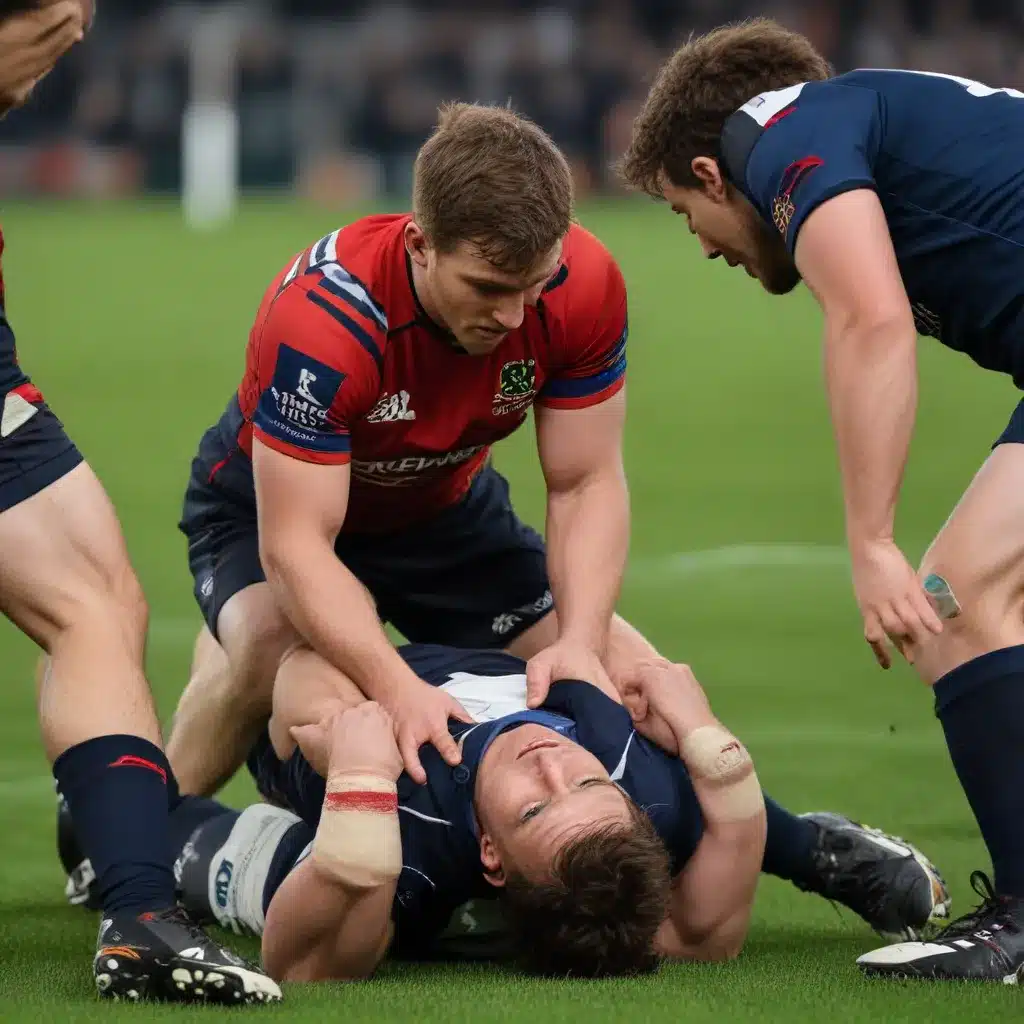
Concussion Epidemiology in Rugby
As a seasoned rugby professional, I’ve seen firsthand the pervasive impact that concussions can have on our beloved sport. Rugby is a physically demanding game, with high-speed collisions and frequent impacts to the head—factors that put players at an elevated risk of sustaining a concussion. In fact, studies suggest that concussions account for up to 20% of all injuries in elite rugby union and rugby league.
While the prevalence of these brain injuries is concerning, what troubles me most is the potential for long-term consequences if they are not properly managed. Repeated concussions can have devastating effects, from persistent post-concussive symptoms to an increased risk of neurodegenerative diseases later in life. As rugby players, we owe it to ourselves and our teammates to prioritize concussion prevention and ensure that appropriate protocols are in place for effective management and rehabilitation.
Advances in Concussion Diagnosis
One of the key challenges in rugby concussion management has been the inherent complexities of accurately diagnosing these injuries. Concussions are notoriously difficult to identify, as the symptoms can be subtle and often evolve over time. However, recent advancements in assessment tools and diagnostic techniques are helping to revolutionize the way we identify and evaluate these brain injuries.
The Sideline Assessment Concussion Tool (SCAT), for example, has become a widely adopted resource for on-field evaluation. This comprehensive screening assesses players’ symptoms, cognitive function, balance, and neurological status, providing a standardized approach to the initial concussion assessment. Newer iterations, such as the SCAT6 and Child SCAT6, have further refined these tools to improve their sensitivity and clinical utility.
Beyond the sideline assessment, researchers have also explored the potential of advanced imaging techniques and biomarker analysis to enhance concussion diagnosis. While structural neuroimaging (e.g., CT, MRI) often appears normal in mild traumatic brain injuries, functional imaging modalities and fluid-based biomarkers are shedding light on the underlying neurophysiological changes associated with concussion. Although these emerging technologies are currently more valuable in the research setting, they hold promise for improving our understanding and management of these complex injuries.
Rehabilitation Approaches for Rugby Concussions
Effective rehabilitation is crucial for helping rugby players recover from the short-term effects of concussion and mitigating the risk of long-term complications. In the past, the conventional wisdom was to prescribe strict, prolonged rest until symptoms resolved. However, we now know that a more nuanced, active approach is often more beneficial.
One of the key advancements in concussion rehabilitation has been the integration of targeted physical and cognitive exercises. Subsymptom-threshold aerobic activity, for example, has been shown to facilitate recovery by promoting neuroplasticity and improving cerebrovascular function, without exacerbating symptoms. Similarly, vestibular and oculomotor rehabilitation can address the balance and visual disturbances that often accompany concussions.
Alongside these physical interventions, cognitive and psychological therapies have also become an integral part of the rehabilitation process. Addressing the emotional and cognitive impacts of concussion, such as anxiety, depression, and difficulty concentrating, can significantly improve the player’s overall recovery and reintegration into sport.
Innovative Concussion Management Strategies
As our understanding of concussions continues to evolve, rugby organizations and medical professionals are implementing increasingly sophisticated management strategies to prioritize player safety and optimize recovery.
One notable development is the use of technology-driven monitoring and tracking systems. Wearable sensors, for instance, can provide valuable data on head impacts and movement patterns, allowing for more comprehensive injury surveillance and personalized rehabilitation plans. Additionally, digital platforms for symptom reporting and neurocognitive testing can help streamline the assessment process and facilitate more efficient decision-making.
Another innovative approach is the adoption of personalized treatment protocols. By considering factors such as the individual’s symptom presentation, medical history, and sport-specific demands, clinicians can tailor their management strategies to the unique needs of each player. This level of customization can lead to more effective rehabilitation and a safer return to play.
Promoting a Culture of Concussion Awareness
Ultimately, the success of our efforts to address concussions in rugby will depend on the collective commitment to fostering a culture of awareness and education. Players, coaches, medical staff, and governing bodies must all work together to ensure that everyone involved in the sport understands the risks, recognizes the signs and symptoms, and is empowered to take appropriate action.
At the grassroots level, comprehensive training programs for players and coaches can equip them with the knowledge and skills to prevent, identify, and manage concussions. By instilling a deep appreciation for player safety, we can cultivate an environment where reporting suspected head injuries is viewed as a sign of strength, not weakness.
At the administrative level, rugby governing bodies have a crucial role to play in driving policy changes and implementing robust concussion protocols. Clear guidelines for return-to-play, mandatory sideline assessments, and post-concussion rehabilitation can all contribute to a more consistent and effective approach to concussion management across the sport.
The Importance of Partnerships and Collaboration
As a rugby professional, I’ve come to appreciate the immense value of interdisciplinary collaboration in addressing the challenges of concussion. By fostering partnerships between sports medicine experts, neuroscientists, rehabilitation specialists, and other healthcare providers, we can leverage a wealth of knowledge and expertise to develop innovative solutions.
For example, the Aberdeenshire RFC has forged strong connections with local university researchers and medical practitioners, allowing them to stay at the forefront of concussion management practices. This collaborative approach has enabled the club to implement cutting-edge assessment tools, personalized rehabilitation programs, and comprehensive player education initiatives.
Similarly, rugby governing bodies have recognized the importance of working closely with healthcare professionals to ensure that their concussion protocols are evidence-based and tailored to the unique needs of the sport. By embracing this spirit of cooperation, we can create a more holistic and effective system for protecting the long-term health and well-being of our players.
Ethical Considerations in Concussion Management
As rugby professionals, we have a profound ethical responsibility to prioritize player welfare in our approach to concussion management. This means navigating complex decisions around return-to-play, retirement from the sport, and the potential long-term implications of these brain injuries.
The question of when a player should be allowed to return to the field of play after a concussion is a delicate one, requiring a careful balance of medical expertise, player autonomy, and the pressures of competitive sport. Rushing an athlete back too soon can have devastating consequences, but overly cautious approaches can also disrupt a player’s career and passion for the game. Establishing clear, evidence-based guidelines and fostering open communication between players, coaches, and medical staff is essential for ensuring that these decisions are made with the utmost care and consideration.
Similarly, the issue of retirement from rugby due to concussion-related concerns is fraught with ethical dilemmas. While some players may be willing to accept the risks and continue competing, others may face difficult choices about their long-term health and quality of life. Clinicians must approach these situations with empathy, providing comprehensive medical evaluations, exploring alternative career paths, and respecting the player’s autonomy in the decision-making process.
Ultimately, as rugby professionals, we have a duty to uphold the highest standards of ethical conduct in our approach to concussion management. By prioritizing player welfare, embracing scientific advancements, and fostering a culture of transparency and open dialogue, we can ensure that the sport we love remains a safe and rewarding pursuit for generations to come.
Conclusion
The challenge of concussions in rugby is a complex and multifaceted one, requiring a holistic, evidence-based approach to management and recovery. By leveraging the latest advancements in assessment, rehabilitation, and innovative technologies, we can enhance our ability to identify, treat, and prevent these brain injuries.
But beyond the clinical interventions, the true key to success lies in cultivating a culture of concussion awareness and player welfare that permeates every level of the sport. By fostering partnerships, implementing robust protocols, and upholding the highest ethical standards, we can ensure that rugby remains a safe and fulfilling pursuit for all who take to the field.
As a seasoned rugby professional, I am deeply committed to this cause. Through my work with organizations like the Aberdeenshire RFC, I have seen firsthand the transformative impact that a comprehensive, evidence-based approach to concussion management can have. By sharing our knowledge, championing player safety, and continually pushing the boundaries of innovation, we can set a new standard for concussion care in rugby—one that prioritizes the health and well-being of our athletes above all else.