
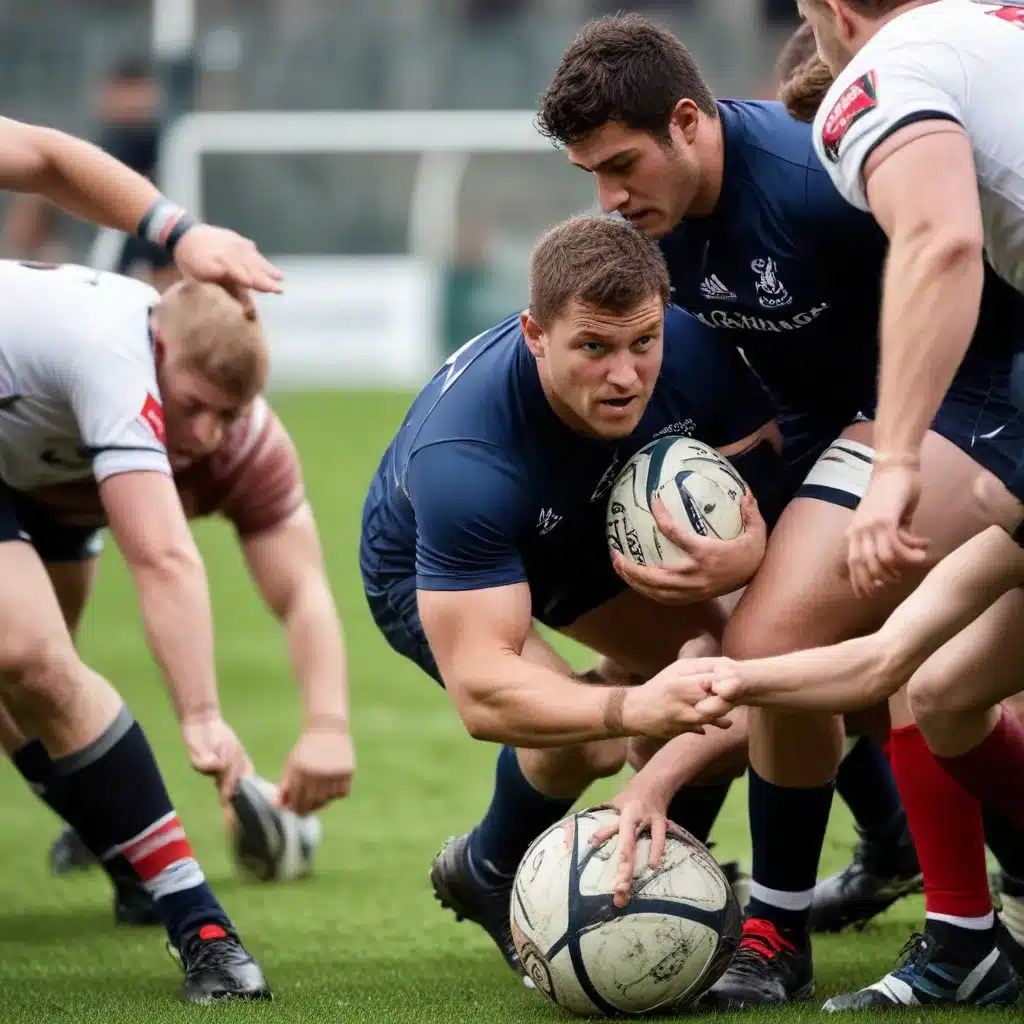
Rugby Injuries
As a seasoned rugby professional, I’ve seen firsthand the impact that injuries can have on players at all levels of the game. From the devastating blow of a season-ending ACL tear to the nagging frustration of a recurring hamstring strain, injuries are an unavoidable part of this physically demanding sport. However, with the right preventative strategies and proactive management, we can significantly reduce the risk and severity of these setbacks.
Common Rugby Injuries
The nature of rugby, with its intense collisions, high-speed impacts, and demanding physical requirements, makes players susceptible to a wide range of injuries. Some of the most prevalent issues I’ve encountered over the years include:
-
Lower Limb Injuries: Hamstring strains, knee ligament sprains (ACL, MCL, etc.), ankle sprains, and muscle contusions are among the most common lower body injuries. These often occur during sprinting, changing direction, or absorbing impact from tackles and collisions.
-
Upper Limb Injuries: Shoulder dislocations, acromioclavicular (AC) joint injuries, and wrist/hand fractures can result from direct impacts or awkward landings during aerial challenges and tackles.
-
Head and Neck Injuries: Concussions and cervical spine injuries, though less frequent, can have serious long-term implications and require careful management.
-
Overuse Injuries: Tendinopathies, stress fractures, and muscle strains can develop over time due to the high training and match loads experienced by rugby players.
Causes of Rugby Injuries
The factors contributing to rugby injuries are multifaceted, involving both intrinsic and extrinsic elements. Some of the key culprits I’ve observed include:
-
Previous Injury History: Players who have suffered an injury, especially to the lower limbs, are at a heightened risk of re-injury.
-
Muscular Imbalances: Strength and flexibility disparities between agonist and antagonist muscle groups can predispose players to strains and tears.
-
Fatigue and Overtraining: Accumulated fatigue, both from the current season and the preceding one, can compromise a player’s resilience and increase their vulnerability to new injuries.
-
Congested Fixture Schedules: The packed calendar of modern rugby, with limited recovery time between matches and training sessions, places a significant physical and mental strain on players.
-
Environmental Factors: Playing surface conditions, such as hard or uneven pitches, can contribute to certain injury mechanisms, particularly ankle and knee sprains.
Injury Rates in Rugby
Injury incidence in rugby union is among the highest of all team sports, with studies reporting rates ranging from 54 to 81 injuries per 1000 player-hours. While the professional game has seen a gradual decline in injury rates over the past two decades, the challenge remains to further reduce the impact of these setbacks on player welfare and team performance.
Physical Conditioning for Injury Prevention
One of the cornerstones of my approach to injury prevention is the implementation of comprehensive physical conditioning programs. These are designed to address the unique physical demands of rugby and build a robust foundation of strength, power, and neuromuscular control.
Strength and Conditioning Programs
A well-structured strength training regimen is crucial for enhancing the resilience of rugby players. Key focus areas include:
-
Compound Lifts: Exercises like squats, deadlifts, and Olympic lifts develop overall lower body and core strength, which is essential for withstanding the impacts of the sport.
-
Specific Muscle Groups: Targeted exercises for the hamstrings, quadriceps, and hip stabilizers help to address common imbalances and reduce the risk of strains and tears.
-
Eccentric Training: Incorporating eccentric-focused exercises, such as Nordic hamstring curls, helps to build resilience in the musculotendinous units and improve injury-resistant movement patterns.
-
Plyometric and Agility Drills: Plyometric exercises and dynamic movement drills not only enhance physical capabilities but also help players develop the neuromuscular control required for rapid changes of direction and explosive actions.
Flexibility and Mobility Training
Maintaining optimal joint range of motion and soft tissue extensibility is crucial for injury prevention. I recommend incorporating the following into a player’s routine:
-
Dynamic Stretching: Before training and matches, dynamic stretches that mimic the movement patterns of rugby help to prepare the musculoskeletal system for the demands ahead.
-
Static Stretching: Post-activity static stretching targeting the major muscle groups can help to alleviate tension and facilitate recovery.
-
Mobility Exercises: Drills focused on improving joint mobility, particularly in the hips, ankles, and thoracic spine, can enhance movement quality and reduce the risk of compensatory injuries.
Integrating Conditioning into Training
The key to success is seamlessly integrating these physical conditioning elements into the overall training program. I work closely with coaches to ensure that strength, power, and mobility work are not treated as separate entities but are instead viewed as integral components of a player’s holistic development.
Optimizing Technique and Skill Development
While physical preparation is essential, I’ve found that technical proficiency and situational awareness are equally crucial for mitigating injury risk in rugby. By emphasizing proper technique and enhancing game-specific skills, players can better navigate the physical demands of the sport.
Proper Tackling and Contact Techniques
Tackling is one of the most high-risk actions in rugby, so I place a strong emphasis on teaching and reinforcing safe and effective techniques. This includes:
-
Head Positioning: Ensuring players keep their heads in the correct position, avoiding direct contact with the opposition’s head or upper body.
-
Leg Drive and Hip Alignment: Driving through the contact with the legs and maintaining proper hip and shoulder alignment to absorb the impact.
-
Arm Placement: Encouraging players to “wrap up” the ball carrier with their arms, rather than simply leading with the shoulder.
-
Falling and Rolling: Practicing safe falling and rolling techniques to minimize the risk of impact-related injuries.
Improving Ball Handling and Field Awareness
Enhancing a player’s ability to read the game, make quick decisions, and execute skills under pressure can significantly reduce their exposure to high-risk situations. Drills that focus on:
-
Ball Carrying and Evasion: Developing the skills to carry the ball securely while evading tackles and avoiding dangerous collisions.
-
Passing and Spatial Awareness: Improving the accuracy and timing of passes, as well as the player’s spatial awareness to anticipate and react to developing play.
-
Breakdown Positioning: Teaching players how to effectively clear rucks and mauls, minimizing the risk of getting caught in vulnerable positions.
Coach-Led Skill Training Sessions
I work closely with the coaching staff to ensure that technical and tactical development is a regular feature of the training program, not just an afterthought. By dedicating specific sessions to skill refinement and game awareness, we can help players ingrain the movement patterns and decision-making processes required to stay safe on the field.
Protective Equipment and Gear
While physical conditioning and technical proficiency are essential, the use of appropriate protective equipment can also play a vital role in reducing the risk and severity of rugby injuries.
Choosing the Right Mouthguard and Headgear
-
Mouthguards: Properly fitted, custom-made mouthguards are crucial for protecting the teeth and jaw from impacts, particularly during scrums, mauls, and tackles.
-
Headgear: While the evidence on the efficacy of rugby headgear for concussion prevention is still evolving, well-fitted headgear can help to reduce the impact of blows to the head and face.
Importance of Supportive Braces and Taping
-
Knee and Ankle Braces: Preventative bracing for vulnerable joints, such as the knee and ankle, can provide additional support and stability to mitigate the risk of sprains and instability injuries.
-
Taping and Strapping: Strategic taping and strapping of joints, such as the ankle, knee, and shoulder, can help to enhance proprioception and limit the range of motion in high-risk directions.
Maintaining and Replacing Worn Equipment
It’s essential that players regularly inspect their protective gear and replace any worn or damaged items. Properly maintaining equipment, such as mouthguards and headgear, ensures they continue to provide the necessary safeguards.
Injury Rehabilitation and Return-to-Play
Despite our best efforts to prevent injuries, they can still occur. In these instances, a comprehensive and well-planned rehabilitation process is crucial for ensuring a safe and successful return to play.
Assessment and Diagnosis of Injuries
Accurate and timely diagnosis is the first step in the rehabilitation journey. This involves a thorough clinical examination, the use of advanced imaging techniques (when necessary), and the development of a clear understanding of the injury mechanism and severity.
Appropriate Treatment and Therapy Modalities
Depending on the nature and severity of the injury, the rehabilitation plan may include a combination of the following:
-
Manual Therapy: Hands-on techniques to restore joint range of motion, reduce pain and inflammation, and promote tissue healing.
-
Strengthening and Neuromuscular Retraining: Exercises to address muscular imbalances, improve proprioception, and re-establish optimal movement patterns.
-
Modalities: Treatments such as cryotherapy, electrotherapy, and soft tissue massage to enhance the healing process.
-
Sport-Specific Rehabilitation: Gradually integrating rugby-specific drills and activities to prepare the player for the demands of the sport.
Gradual and Monitored Return to Sport
The final and perhaps most crucial stage of the rehabilitation process is the player’s gradual return to training and match play. This involves:
-
Phased Progressions: Systematically increasing the intensity, duration, and specificity of training activities to ensure a safe and successful transition back to full participation.
-
Ongoing Monitoring: Careful assessment of the player’s physical, psychological, and functional readiness through regular testing and evaluation.
-
Collaborative Approach: Close communication and coordination between the medical team, coaching staff, and the player to ensure a seamless and well-informed return-to-play plan.
By following a structured and evidence-based rehabilitation protocol, we can help players overcome their injuries, minimize the risk of re-injury, and regain their pre-injury level of performance.
Nutritional Considerations for Rugby Players
Optimal nutrition plays a vital role in supporting the physical and mental demands of rugby, as well as facilitating the recovery and injury prevention process.
Optimal Macronutrient Balance
Ensuring that players’ diets are rich in high-quality proteins, complex carbohydrates, and healthy fats is essential for maintaining muscle mass, replenishing energy stores, and supporting overall tissue health.
Hydration and Electrolyte Replenishment
Proper hydration and electrolyte balance are crucial for preventing muscle cramps, optimizing physical performance, and aiding the recovery process. I recommend that players drink regularly throughout training and matches, and replenish electrolytes through a combination of whole foods and, if necessary, targeted supplementation.
Supplements for Recovery and Performance
While a well-balanced diet should be the foundation, certain supplements can provide additional support for rugby players. These may include:
- Omega-3 Fatty Acids: To help reduce inflammation and support joint health.
- Vitamin D: To enhance calcium absorption and support bone health.
- Creatine: To boost anaerobic power and high-intensity performance.
- Protein Powders: To help players meet their elevated protein requirements for muscle repair and growth.
By emphasizing the importance of optimal nutrition and strategically utilizing targeted supplements, we can help players enhance their physical resilience, accelerate recovery, and ultimately reduce their risk of injury.
Mental Health and Wellness
While the physical aspects of injury prevention are crucial, I’ve found that addressing the mental and emotional well-being of rugby players is equally important. Coping with the challenges of injury can have a significant impact on a player’s overall performance and long-term career.
Coping with Injury-Related Stress and Anxiety
The frustration, uncertainty, and sense of loss that often accompany an injury can be mentally and emotionally taxing. I encourage players to:
-
Seek Professional Support: Connecting with sports psychologists or counselors can help players develop healthy coping mechanisms and manage the psychological aspects of injury.
-
Practice Mindfulness and Relaxation Techniques: Activities such as meditation, deep breathing, and visualization can help players manage stress and maintain a positive mindset during the rehabilitation process.
Importance of Social Support and Counseling
Cultivating a strong support network, whether it’s teammates, coaches, or family members, can be a powerful resource for players navigating the injury recovery journey. I work closely with the team to ensure that injured players feel valued, encouraged, and integrated into the group, even during their time away from the field.
By addressing the physical, technical, and mental aspects of injury prevention and management, we can help rugby players of all levels overcome setbacks, build resilience, and maximize their performance and long-term well-being on the pitch.
Remember, the journey to injury prevention is an ongoing one, and progress often comes in small, incremental steps. But with the right strategies, resources, and a commitment to player welfare, we can create a safer, more fulfilling rugby experience for all.
If you have any questions or would like to learn more, I encourage you to reach out to the team at Aberdeenshire RFC. We’re here to support your journey and help you unlock your full potential as a rugby player.