
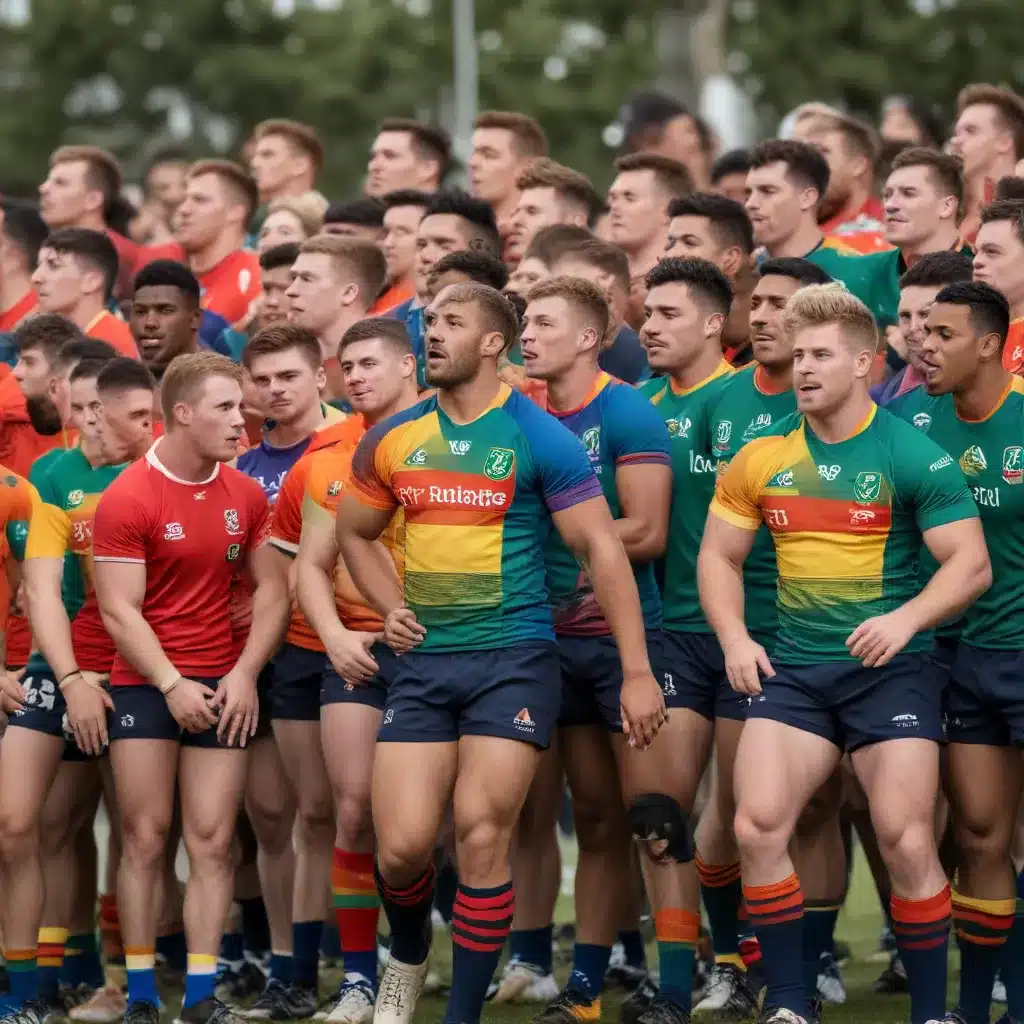
LGBTQ+ Inclusion in International Rugby
As a seasoned rugby professional, I’ve witnessed firsthand the transformative power of our sport to bring people together, transcend boundaries, and foster a spirit of camaraderie. However, the journey towards true inclusion and representation for LGBTQ+ athletes and coaches in international rugby has not been without its challenges.
Challenges Faced by LGBTQ+ Athletes and Coaches
For too long, the rugby community, like many other sports, has grappled with the lingering effects of homophobia, discrimination, and marginalization. LGBTQ+ players and coaches have often felt compelled to conceal their identity, fearing the consequences of openly embracing who they are. The fear of rejection, harassment, and even career-damaging repercussions has prevented many from living authentically within the sport they love.
Sadly, the experiences of LGBTQ+ individuals in rugby mirror the broader societal struggles faced by the queer community. Verbal abuse, exclusion, and a lack of visible role models have all contributed to a climate of unease and isolation. As recent research has shown, more than half of gay, lesbian, or bisexual rugby participants have reported concealing their sexuality from their team or club, feeling unwelcome and unsafe.
Initiatives to Promote Diversity and Inclusion
Recognizing the urgent need for change, governing bodies and organizations within the rugby community have begun to take meaningful steps towards fostering a more inclusive environment. Initiatives such as Rugby Australia’s #PartOfMore campaign have sought to celebrate and uplift the narratives of LGBTQ+ athletes, providing a platform for their voices to be heard.
Furthermore, the establishment of support networks and advocacy groups, like Proud 2 Play in Australia, have empowered LGBTQ+ individuals to connect, share their experiences, and advocate for positive change within the sport. These grassroots efforts, combined with the implementation of inclusive policies and educational programs, are slowly chipping away at the barriers that have long hindered the full participation and representation of LGBTQ+ athletes and coaches.
Evolving Landscape of Player Representation
The landscape of international rugby player representation is also undergoing a significant transformation, driven by the evolving dynamics of player contracts, endorsements, and the crucial role of player unions and advocacy groups.
Changing Dynamics of Player Contracts and Endorsements
In the wake of landmark decisions, such as the suspension of the IAAF’s Hyperandrogenism Regulations, the rights and protections afforded to elite-level athletes have come under closer scrutiny. As the debate around gender identity and biological differences in sports continues to evolve, player contracts and endorsement opportunities have become increasingly complex, with a heightened focus on ensuring fairness, inclusion, and non-discrimination.
Role of Player Unions and Advocacy Groups
Player unions, such as the Rugby Players’ Association (RPA) in England and the Rugby Union Players’ Association (RUPA) in Australia, have become vital pillars of support for international rugby players, including those who identify as LGBTQ+. These organizations have played a crucial role in advocating for the rights and well-being of their members, ensuring that issues of diversity, equity, and inclusion remain at the forefront of discussions.
Alongside player unions, advocacy groups like Pride in Sport have made significant strides in promoting LGBTQ+ inclusion within the rugby community. These organizations work tirelessly to educate, raise awareness, and foster an environment where all individuals, regardless of their sexual orientation or gender identity, can thrive and feel truly welcomed.
LGBTQ+ Athlete Experiences and Challenges
The personal journeys and experiences of LGBTQ+ athletes in international rugby have been as diverse as the individuals themselves, each offering a unique perspective on the challenges and triumphs of navigating this evolving landscape.
Coming Out Stories and Visibility
The decision to come out as LGBTQ+ within the rugby community is often a deeply personal and courageous one. Some athletes, like Gareth Thomas, have chosen to publicly share their stories, inspiring others and shattering the misconception that rugby is an exclusively heteronormative space. These stories of resilience and self-acceptance have the power to challenge societal norms, foster open dialogues, and pave the way for greater visibility and representation.
Navigating Professional Environments
For LGBTQ+ athletes, the journey does not end with coming out; they must then navigate the complexities of professional rugby environments, where implicit biases, microaggressions, and heteronormative assumptions can still linger. Maintaining authenticity while juggling the demands of elite-level competition and public scrutiny is a delicate balance, one that requires unwavering courage, resilience, and the support of a compassionate community.
Advocacy Efforts for LGBTQ+ Coaches and Administrators
The inclusion and representation of LGBTQ+ individuals extend beyond the playing field, as the rugby community also grapples with the need for greater diversity and visibility in coaching and administrative roles.
Representation in Leadership Positions
The underrepresentation of LGBTQ+ individuals in positions of leadership and decision-making within international rugby organizations is an issue that must be addressed. Research has shown that even when LGBTQ+ coaches are acknowledged, they may face subtle discrimination or prejudicial attitudes, hindering their advancement and the recognition of their accomplishments.
Mentorship and Support Programs
To cultivate a more inclusive and equitable landscape, the rugby community must prioritize the development and implementation of mentorship and support programs that empower LGBTQ+ coaches and administrators. These initiatives can provide guidance, networking opportunities, and a safe space for individuals to navigate the unique challenges they may face, ultimately paving the way for greater representation and influence at the highest levels of the sport.
Embracing Diversity in International Rugby
Fostering a truly inclusive and diverse rugby community requires a concerted effort from all stakeholders, including players, coaches, administrators, and governing bodies.
Promoting Allyship and Inclusive Cultures
The rugby community must actively promote allyship and inclusive cultures that celebrate diversity and provide a safe and welcoming environment for all individuals, regardless of their sexual orientation or gender identity. This can be achieved through comprehensive diversity and inclusion training, the implementation of inclusive policies and codes of conduct, and the proactive engagement of LGBTQ+ individuals in decision-making processes.
Collaboration Between Stakeholders
Driving sustainable change in international rugby requires a collaborative approach among all stakeholders. Player unions, advocacy groups, governing bodies, and educational institutions must work together to address systemic barriers, share best practices, and develop comprehensive strategies that elevate the voices and experiences of LGBTQ+ athletes, coaches, and administrators.
Towards an Equitable Future in Rugby
As we navigate the evolving landscape of international rugby, the pursuit of an equitable and inclusive future must remain a top priority. This journey will require a multifaceted approach that tackles both the visible and invisible barriers that have hindered the full participation and representation of LGBTQ+ individuals in our sport.
Addressing Systemic Barriers
Dismantling the systemic barriers that have perpetuated discrimination and marginalization within international rugby will necessitate a holistic examination of policies, practices, and cultural norms. This process must be guided by the voices and experiences of LGBTQ+ community members, ensuring that their perspectives and needs are at the forefront of decision-making.
Strategies for Sustainable Change
Achieving sustainable change requires a long-term, strategic approach that goes beyond temporary initiatives or superficial diversity efforts. This may involve investing in comprehensive education and awareness programs, fostering open dialogues, and championing the visibility and representation of LGBTQ+ role models at all levels of the sport. By embracing a culture of allyship and collective responsibility, the rugby community can pave the way for a future where diversity is celebrated, and every individual is empowered to pursue their passion without fear of discrimination or prejudice.
Conclusion
The journey towards greater inclusion and representation for LGBTQ+ athletes and coaches in international rugby is an ongoing and complex endeavor. However, by acknowledging the challenges, amplifying the voices of those who have courageously paved the way, and collaborating with all stakeholders, we can create a more equitable and inclusive future for our beloved sport.
As a seasoned rugby professional, I am committed to being an ally and advocate for LGBTQ+ individuals within our community. Together, we can foster a culture of belonging, where every player, coach, and administrator feels empowered to bring their authentic selves to the pitch, the sideline, and the boardroom. Let us embrace this pivotal moment and chart a course towards a more diverse, inclusive, and compassionate international rugby landscape.