
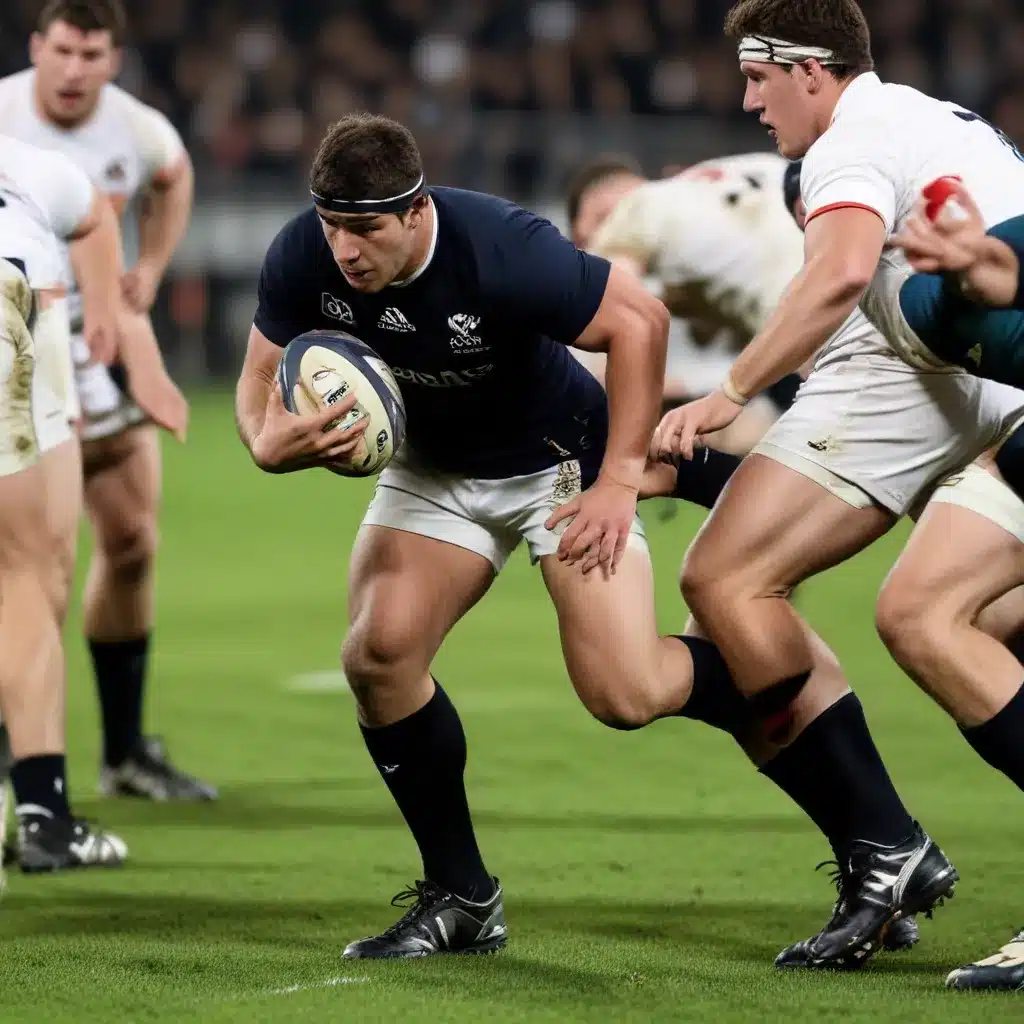
Rugby Breakdown: Understanding the Fundamentals
The breakdown, often referred to as the “dark arts” of rugby, is a critical facet of the game that separates the contenders from the pretenders. As a seasoned rugby professional, I can attest to the importance of mastering the intricacies of this complex phase of play.
At the heart of the breakdown lies a fierce battle for possession, where the team that secures the ball gains a significant advantage in the game. Effective breakdown play not only provides the platform for attacking opportunities but also denies the opposition from launching their own offensives. As such, developing a comprehensive understanding of the breakdown’s mechanics, techniques, and defensive strategies is paramount for any aspiring rugby player or coach.
Breakdown Mechanics: The Art of Winning the Ball
The breakdown, simply put, is the area of the field where a tackle has been made, and both teams jostle for the ball. This contest for possession is a critical juncture in the game, as the team that emerges victorious can continue their attacking momentum or disrupt the opposition’s flow.
Understanding the mechanics of the breakdown is the first step towards mastering this aspect of the game. At its core, the breakdown is a physical battle, with players from both teams using their strength, technique, and positioning to secure the ball. The team on the attack must work tirelessly to maintain possession, while the defending side aims to disrupt the flow and potentially turn over the ball.
Positioning and Body Shape in the Breakdown
Effective positioning and body shape are essential for success at the breakdown. Players must assume a low, balanced stance, with their shoulders and head positioned over the ball. This stance not only provides stability but also allows for explosive power generation when engaging in the contest for the ball.
The backrow players, particularly the flankers and the number 8, play a pivotal role in the breakdown. Their exceptional physicality, mobility, and technical prowess make them invaluable assets in this phase of play. By adopting the correct body shape and positioning, these players can dominate the breakdown, securing valuable possession for their team.
Technique and Tactics at the Breakdown
Mastering the technical aspects of the breakdown is a vital component of any successful rugby team. From the art of “jackaling” (competing for the ball on the ground) to the strategic positioning of support players, the execution of these skills can make the difference between winning and losing.
Effective Jackal Technique
The jackal, or the player who competes for the ball at the breakdown, is a crucial role in modern rugby. Successful jackaling requires a combination of explosive power, quick reactions, and exceptional technique. Players must position themselves low and over the ball, using their hands and upper body strength to win the contest and secure possession.
Timing is also a critical factor in effective jackaling. Players must anticipate the opposition’s actions and time their engagement at the breakdown to maximum effect. By reading the game and reacting accordingly, they can disrupt the opposition’s momentum and turn the tide of the match.
Disrupting the Breakdown: Defensive Strategies
While the attacking team aims to maintain possession at the breakdown, the defending side must employ effective strategies to disrupt this process. Counter-rucking, where defenders aggressively engage at the breakdown to win the ball back, is a powerful tool in the defensive arsenal.
By committing players to the breakdown and disrupting the opposition’s ability to recycle the ball, the defending team can create turnover opportunities and launch their own attacking forays. Effective communication and coordination between the backrow and the wider defensive line are essential in executing these defensive tactics.
Timing and Anticipation at the Breakdown
The breakdown is a fast-paced and ever-evolving aspect of the game, requiring players to make split-second decisions. Timing and anticipation are crucial skills that separate the good from the great when it comes to breakdown play.
Experienced players can read the game and anticipate the opposition’s next move, positioning themselves accordingly to maximize their chances of winning the ball or disrupting the attack. This ability to think and react quickly is a hallmark of the best breakdown operators, allowing them to seize control of the game’s tempo and momentum.
Backrow Dominance: Mastering the Dark Arts
The backrow players, comprising the flankers and the number 8, are often referred to as the “enforcers” of the team. Their unique blend of physical attributes, technical prowess, and game awareness make them invaluable assets in the breakdown and throughout the game.
The Backrow’s Role in the Breakdown
The backrow players are the unsung heroes of the breakdown, responsible for the “dirty work” that often goes unnoticed by casual observers. From securing vital possession to disrupting the opposition’s attack, the flankers and number 8 are the driving forces behind a team’s success in this critical phase of play.
By utilizing their exceptional strength, mobility, and tactical awareness, the backrow players can dominate the breakdown, denying the opposition opportunities to gain ground or regain possession. Their ability to read the game and anticipate the opposition’s actions is a key factor in their breakdown mastery.
Jackaling and Counter-Rucking Mastery
At the heart of the backrow’s breakdown dominance lies their expertise in jackaling and counter-rucking. These skills require a combination of explosive power, technique, and an unwavering commitment to the contest.
Effective jackaling, as discussed earlier, involves the backrow players positioning themselves low over the ball and using their upper body strength to secure possession. Counter-rucking, on the other hand, requires the defending team to aggressively engage at the breakdown, disrupting the opposition’s ability to recycle the ball and potentially turning it over.
The mastery of these “dark arts” of rugby is a hallmark of the world’s best backrow players. Their ability to win crucial breakdown battles and create turnover opportunities is a testament to their dedication, skill, and game understanding.
Defensive Prowess at the Breakdown
While the attacking team aims to maintain possession and create scoring opportunities, the defending side must be equally adept at the breakdown to negate the opposition’s progress. Developing a comprehensive defensive strategy at the breakdown is crucial for any successful rugby team.
Denying Possession: Breakdown Defense
Effective breakdown defense is not just about winning the physical contest; it’s also about denying the opposition the opportunity to secure possession. This involves a coordinated team effort, with players adopting specific roles and responsibilities to disrupt the attacking team’s momentum.
The defensive backrow, in particular, plays a pivotal role in this aspect of the game. By positioning themselves strategically, they can either compete for the ball directly or create a barrier that forces the attacking team to recycle the ball, slowing down their attacking progress.
Turnover Opportunities: Identifying and Capitalizing
In the high-intensity environment of the breakdown, opportunities for turnovers can arise rapidly. The ability to identify and capitalize on these chances is a hallmark of the best defensive teams.
Experienced players and coaches can read the opposition’s patterns and anticipate their actions, positioning themselves to pounce on loose balls or disrupted possession. By seizing these turnover opportunities, the defending team can not only deny the opposition’s momentum but also launch their own attacking forays, gaining a vital advantage in the game.
Protecting the Breakdown: Team Responsibilities
Effective breakdown defense is a team effort, with each player assuming specific responsibilities to ensure the overall defensive integrity. From the backrow players securing the ball to the wide channels covering the space, every member of the defensive unit must be in sync and fully committed to the cause.
Clear communication, discipline, and a strong understanding of the game’s laws are essential in protecting the breakdown. By adhering to the rules and establishing a cohesive defensive structure, teams can minimize the opposition’s ability to gain ground and create scoring opportunities.
In conclusion, mastering the rugby breakdown is a multifaceted challenge that requires a deep understanding of the technical, tactical, and physical aspects of the game. From the mechanics of winning the ball to the defensive strategies that deny the opposition, the breakdown is a critical battleground that separates the contenders from the pretenders.
By embracing the “dark arts” of the breakdown and honing the skills of their backrow players, rugby teams can gain a decisive edge over their opponents. Through relentless practice, unwavering commitment, and a keen understanding of the game’s nuances, players and coaches can elevate their breakdown prowess and become true masters of this captivating phase of rugby.