
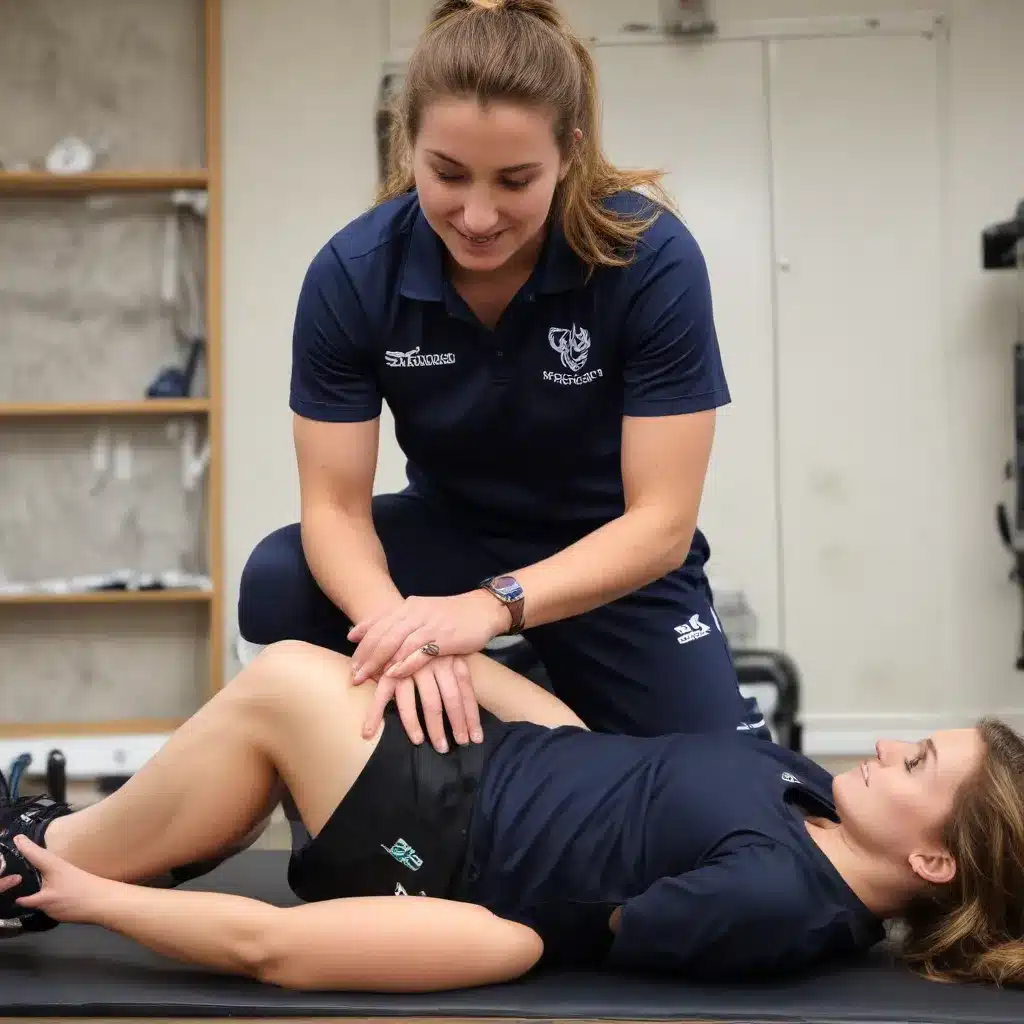
Empowering Female Athletes in Rugby
The world of women’s rugby is undergoing a remarkable transformation. As the sport continues to grow in popularity and prominence globally, the need for specialized healthcare professionals dedicated to supporting female athletes has never been greater. Physiotherapists and athletic trainers play a pivotal role in this evolution, empowering women rugby players to push the boundaries of their physical and mental capabilities.
Women’s rugby has experienced a surge in participation and visibility in recent years. According to World Rugby, the number of registered female players increased by 28% between 2017 and 2021, reaching over 2.7 million globally. This remarkable growth has been fueled by a deeper societal appreciation for gender equality in sports, as well as a concerted effort by governing bodies to invest in women’s rugby development programs.
Yet, female athletes still face unique challenges that require a nuanced understanding from their sports medicine practitioners. Issues such as menstrual cycle management, pregnancy, and pelvic floor health are often overlooked in traditional sports medicine curricula, which have historically catered more towards male athletes. Physiotherapists and athletic trainers who specialize in women’s rugby must possess a comprehensive knowledge of these gender-specific considerations to provide holistic care and support.
The Vital Role of Sports Medicine Professionals
Physiotherapists and athletic trainers are at the forefront of ensuring the long-term health and success of female rugby players. Their expertise extends far beyond merely treating injuries – they play a crucial role in enhancing athletic performance, preventing future ailments, and fostering the mental well-being of their clients.
“Regular physiotherapy has helped me to prevent injury, enabling me to stay on the pitch for longer, which ultimately has allowed me to develop as a player,” shares Kirsty Hillier, a Chartered Physiotherapist and player for Harlequins Women’s RFC. “By continuing to show up every week to training and games, and consistently proving them wrong, women’s rugby is quickly progressing.”
Kirsty’s experience highlights the transformative impact that dedicated sports medicine professionals can have on female athletes. Whether it’s conducting comprehensive pre-season assessments, designing tailored rehabilitation programs, or providing emotional support, these practitioners are instrumental in empowering women to excel in rugby.
Pathways to Becoming a Women’s Rugby Physiotherapist or Athletic Trainer
For aspiring healthcare professionals looking to specialize in women’s rugby, the path is both rewarding and multifaceted. Educational opportunities abound, with degree programs in physiotherapy, athletic training, and sports medicine offering a solid foundation.
“I didn’t start playing rugby until I was 17/18,” Kirsty recalls. “I Googled local rugby teams and joined Worthing RFC U18s! The college I went to also had a rugby program, so I ended up joining that team as well.” Her journey exemplifies the importance of hands-on experience, as she progressed from a club player to representing prestigious teams like Wasps Women and Harlequins Women’s RFC.
Beyond the classroom, gaining practical experience through internships, volunteering, and building a professional network are crucial steps. Kirsty’s role as the Lead Physiotherapist for the Thames Valley Centre of Excellence, a rugby academy for girls aged 16-18, has provided her with invaluable insights into the unique needs of young female athletes.
As these passionate individuals advance in their careers, they may find themselves stepping into lead roles, managing medical teams, or even becoming specialists in areas like women’s rugby performance optimization or injury prevention. The sky is the limit for those willing to dedicate themselves to this rapidly evolving field.
Overcoming Challenges and Barriers
Despite the tremendous opportunities in women’s rugby sports medicine, aspiring professionals must navigate a landscape that has historically been dominated by men. Gender disparities, specialized knowledge requirements, and the demands of work-life balance pose significant challenges.
“Growing up I didn’t watch much women’s sport at all, everything I watched was male focused,” Kirsty reflects. “But now, Women’s sport is being talked about much more frequently and is consistently growing.” This increased visibility and representation are crucial in inspiring the next generation of female sports medicine professionals.
Physiotherapists and athletic trainers working in women’s rugby must also be prepared to continuously expand their expertise. Understanding the unique biomechanics, training protocols, and psychological needs of female athletes is essential in providing the highest level of care. Ongoing professional development, networking with other specialists, and staying attuned to the latest research and best practices are key to success.
Furthermore, the demanding schedules and high-stress environments inherent to sports medicine can take a toll on work-life balance. Developing strategies for managing burnout, maintaining mental well-being, and fostering a supportive professional community are vital for longevity in this field.
Inspiring the Next Generation
As women’s rugby continues to make strides, the need for passionate and skilled sports medicine professionals will only grow. Mentorship, outreach, and the creation of a supportive environment will be crucial in attracting and empowering the next generation of physiotherapists and athletic trainers.
“Never let anything anyone says stop you from achieving your goals. It doesn’t matter your gender. If you put 100% into everything you do then nothing can stop you,” Kirsty encourages. “Your journey can be tough at times, but you just have to push every barrier that gets in the way!”
By sharing their stories, expertise, and a vision for a more inclusive future, experienced professionals can inspire young people to pursue careers in women’s rugby sports medicine. Collaborating with schools, community organizations, and governing bodies to raise awareness and provide tangible opportunities will be instrumental in diversifying the workforce and ensuring the continued growth of the sport.
Ultimately, the journey towards becoming a women’s rugby physiotherapist or athletic trainer is one of passion, determination, and a commitment to empowering female athletes. As the sport continues to evolve, these unsung heroes will play a pivotal role in shaping the futures of countless young women, inspiring them to reach new heights both on and off the pitch.