
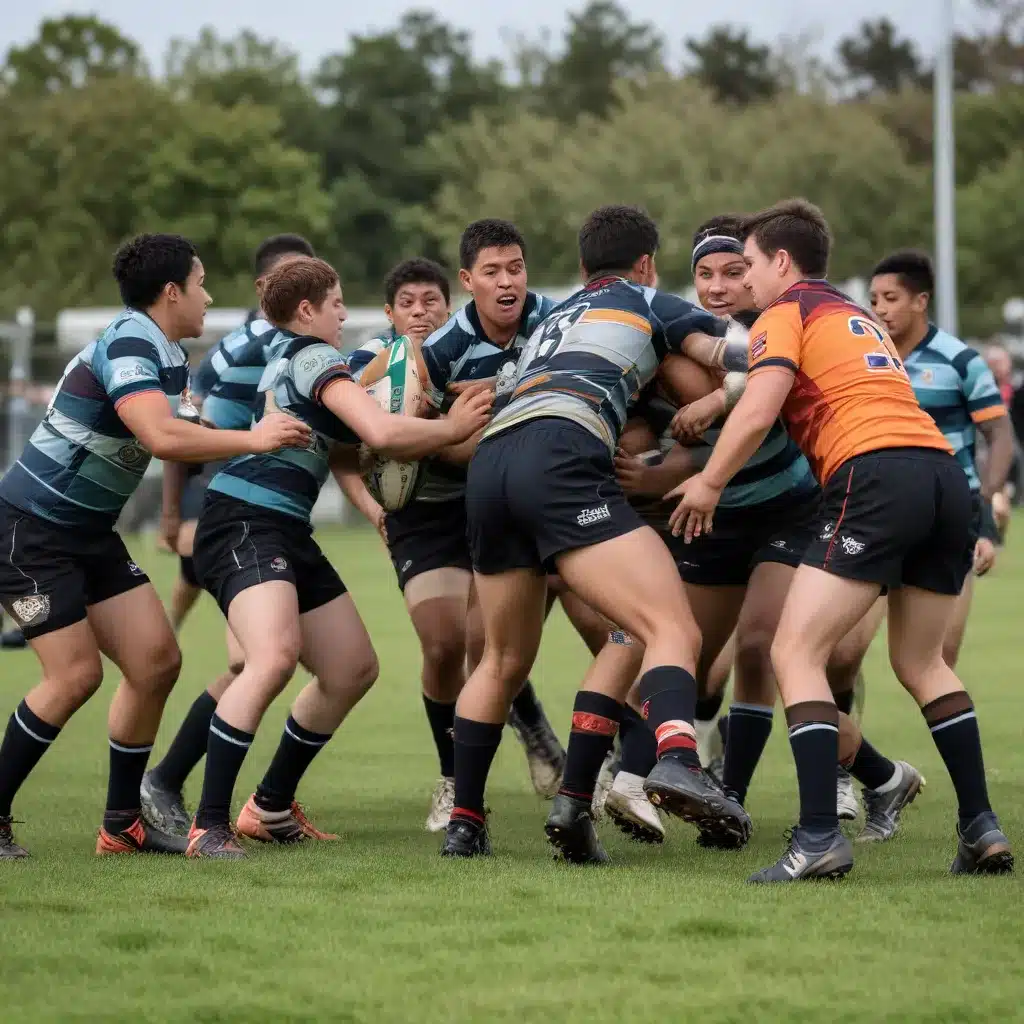
Partnering for Progress: Rugby Clubs and Local Organizations
As seasoned rugby professionals, we understand the immense potential of our sport to positively impact lives, especially among underserved youth. One of the most impactful ways we can harness this power is by forging strong partnerships between rugby clubs and local organizations dedicated to youth development.
The power of these partnerships lies in their ability to combine resources, expertise, and community connections to create truly transformative programs. By aligning the passion and technical know-how of rugby clubs with the on-the-ground insights and reach of local organizations, we can design holistic initiatives that address the unique needs of young people in underserved areas.
Take, for example, the work being done by the Diyar Consortium project in the State of Palestine. By establishing a sports center that provided opportunities for women to participate in and learn from the sport of soccer, the project was able to empower an entire community. The Diyar Women Soccer Team not only became one of the top national teams, but the players also went on to train the next generation of young female athletes, passing on their knowledge and passion. This ripple effect is a testament to the power of collaborative youth development programs.
Another inspiring example comes from the Table Tennis for NepALL project in Nepal, which aimed to promote the inclusion of people with disabilities through the sport of table tennis. In the aftermath of the devastating 2015 earthquake, this initiative created a sense of normalcy and self-efficacy for the survivors, demonstrating the unifying and restorative power of sport.
At the heart of these successful partnerships lies a deep understanding of community needs. By actively engaging with local organizations, rugby clubs can gain invaluable insights into the specific challenges faced by young people in underserved areas. This collaborative approach allows for the design of tailored programs that address educational gaps, health and wellness concerns, and social inclusion barriers.
Sports-based Youth Development: A Holistic Approach
Rugby, with its unique blend of physicality, teamwork, and discipline, is an ideal vehicle for holistic youth development. When combined with the resources and expertise of local organizations, the sport can become a powerful tool for empowering young people and equipping them with essential life skills.
One of the key advantages of sports-based youth development programs is their ability to foster a sense of belonging and community. By bringing together young people from diverse backgrounds, rugby can serve as a common language, breaking down barriers and creating opportunities for meaningful connections. This not only supports social inclusion but also helps develop valuable interpersonal skills, such as communication, empathy, and conflict resolution.
Moreover, regular participation in rugby has been shown to positively impact physical and mental well-being. The sport’s emphasis on fitness, discipline, and healthy lifestyle choices can help young people develop a strong foundation for their overall health and personal growth. Furthermore, the inherent sense of achievement and self-confidence gained through mastering rugby skills can be incredibly empowering, especially for those who may have faced adversity or limited opportunities in the past.
Beyond the individual benefits, sports-based youth development programs can also contribute to the broader goals of community upliftment and social change. By providing safe and engaging spaces for young people to thrive, these initiatives can become hubs of positive influence, inspiring the entire community to take an active role in shaping a more inclusive and equitable future.
Capacity Building through Collaboration
At the heart of successful partnerships between rugby clubs and local organizations lies a commitment to capacity building and knowledge exchange. By sharing resources, expertise, and best practices, these collaborations can amplify their impact and ensure the long-term sustainability of their youth development initiatives.
One of the key ways rugby clubs can contribute to this capacity-building process is by providing access to their extensive networks and experienced professionals. Through mentorship programs, coaching clinics, and joint training sessions, young people in underserved communities can gain invaluable guidance and support from seasoned rugby players, trainers, and administrators. This not only helps develop their technical skills but also exposes them to positive role models and expands their horizons.
Equally important is the reciprocal nature of these partnerships. Local organizations, with their deep understanding of community dynamics and trusted relationships, can offer rugby clubs invaluable insights and strategies for effectively reaching and engaging marginalized youth. By tapping into this local knowledge and leveraging the combined strengths of both partners, initiatives can be tailored to address the unique needs and cultural nuances of each community.
Furthermore, the pooling of resources can lead to more efficient and cost-effective program delivery. Rugby clubs can share equipment, facilities, and transportation resources, while local organizations can provide access to funding streams, volunteer networks, and community-based infrastructure. This optimization of resources not only maximizes the impact of youth development programs but also ensures that scarce funds are directed where they are most needed.
Amplifying Social Impact: Empowering Underserved Youth
At the heart of these collaborative efforts lies a steadfast commitment to empowering underserved youth and fostering a more inclusive and equitable future. By combining the passion and expertise of rugby clubs with the community-driven approach of local organizations, these partnerships are making significant strides in creating lasting change.
One of the most profound impacts of these initiatives is their ability to promote social inclusion and provide marginalized young people with access to opportunities they may have otherwise been denied. Whether it’s breaking down gender barriers in sports, integrating individuals with disabilities, or reaching out to youth from low-income backgrounds, these programs are redefining the boundaries of who can participate and thrive.
As these youth development programs take root and grow, we are also seeing tangible evidence of their transformative power. Young people are not only acquiring essential life skills and physical abilities but also developing a renewed sense of self-worth, purpose, and connection to their communities. They are becoming agents of change, inspiring their peers and advocating for a more just and equitable world.
Importantly, the success of these collaborations is not measured solely by participation numbers or individual achievements. Rigorous monitoring and evaluation frameworks are being put in place to track the long-term impact on the overall well-being and social mobility of the young people involved. By capturing the nuanced and holistic benefits of sports-based youth development, these programs can continue to evolve, refine their approaches, and inspire replication in other underserved communities.
Conclusion
As rugby professionals, we have a unique opportunity to harness the power of our sport to drive positive change in the lives of young people. By forging strong partnerships with local organizations, we can create collaborative youth development initiatives that address the specific needs and challenges faced by underserved communities.
Through these synergistic efforts, we can empower young people to unlock their full potential, develop essential life skills, and become agents of positive transformation within their communities. By prioritizing inclusion, empowerment, and long-term sustainable impact, these programs are not only changing individual lives but also paving the way for a more equitable and just future.
I encourage all rugby clubs to explore the possibilities of collaborative youth development and to engage with local organizations in their communities. Together, we can leverage the unifying power of our sport to create lasting change and ensure that no young person is left behind. It is time to unite, build capacity, and amplify the social impact of rugby for the benefit of all.