
Rugby Clubs and Community Engagement
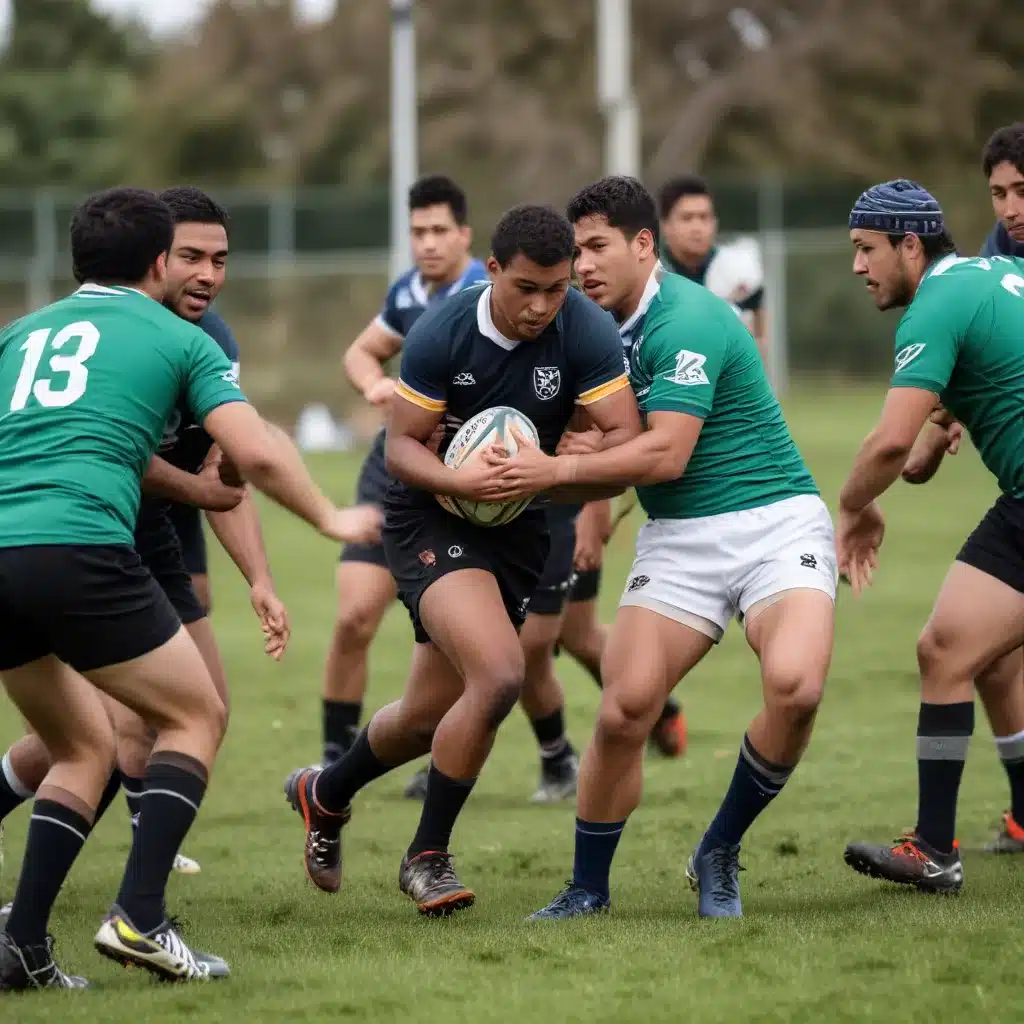
As a seasoned rugby professional, I’ve seen firsthand the profound impact that rugby clubs can have on their local communities. More than just a sport, rugby is a platform for bringing people together, fostering connections, and creating a sense of belonging. At the heart of this is the rugby club – a hub where players, coaches, volunteers, and supporters come together to share their passion for the game and support one another.
One of the most rewarding aspects of working in rugby is witnessing the ways in which clubs actively engage with their local communities. Whether it’s hosting youth development programs, organizing community events, or supporting charitable initiatives, rugby clubs are uniquely positioned to make a meaningful difference in the lives of those around them. By leveraging the inclusive, team-oriented nature of the sport, clubs can create safe, welcoming environments that empower diverse groups and break down social barriers.
The Role of Rugby in Local Communities
Rugby is more than just a game – it’s a catalyst for social change. The values that are cultivated on the pitch, such as teamwork, respect, and discipline, often translate into the broader community. Clubs recognize their responsibility to be active participants in shaping the society around them, and they embrace this role with enthusiasm.
One of the standout examples I’ve seen is the way in which rugby clubs have forged partnerships with local migrant and refugee support organizations. These collaborations harness the power of the sport to facilitate integration, promote cultural exchange, and provide much-needed services and resources to vulnerable populations. By opening their doors and actively engaging with migrant and refugee communities, rugby clubs are able to create inclusive environments that celebrate diversity and foster a sense of belonging.
Fostering Inclusive Environments
Creating an inclusive environment is essential for rugby clubs looking to have a positive impact on their communities. This means ensuring that the club is welcoming and accessible to people of all backgrounds, regardless of their ethnicity, nationality, or immigration status. It’s about breaking down barriers, challenging stereotypes, and providing opportunities for meaningful interaction and connection.
I’ve witnessed this firsthand in the work of clubs that have partnered with migrant and refugee support organizations. By working closely with these organizations, clubs are able to understand the unique needs and challenges faced by these communities and tailor their programs and initiatives accordingly. This might involve offering language classes, providing cultural awareness training for club members, or organizing social events that celebrate the diverse backgrounds of those involved.
Collaborative Partnerships for Social Impact
The power of collaboration cannot be overstated when it comes to driving social change through rugby. By partnering with local organizations, clubs are able to leverage their resources, expertise, and networks to amplify their impact and reach.
Identifying Local Support Organizations
The first step in forging these collaborative partnerships is identifying the right local organizations to work with. This might include migrant and refugee support centers, community development organizations, or social service providers. By taking the time to understand the landscape of support services in the local area, rugby clubs can pinpoint the organizations that are best positioned to complement their own efforts.
One example that comes to mind is the work of Aberdeenshire RFC, who have partnered with the local Grampian Regional Equality Council to support their migrant and refugee integration initiatives. By collaborating with this well-established organization, the club has been able to leverage their expertise, networks, and resources to create truly impactful programs.
Mutually Beneficial Partnerships
The most successful collaborative partnerships are those that are truly mutually beneficial. It’s not just about the rugby club providing support to the local organization; it’s about finding ways for both parties to contribute and grow. This might involve the club providing access to their facilities, coaching expertise, or player mentorship, while the partner organization shares their cultural knowledge, language skills, and community connections.
I’ve seen clubs that have taken this approach achieve remarkable results. For example, one club partnered with a refugee support organization to develop a youth development program that combined rugby training with English language classes and cultural workshops. Not only did this provide vital services and support to the migrant and refugee youth, but it also enriched the club’s own player development initiatives and fostered a greater sense of diversity and inclusion.
Migrant and Refugee Support Services
At the heart of these collaborative efforts lies a deep commitment to supporting the needs of migrant and refugee communities. These populations often face significant barriers to integration, ranging from language and cultural differences to social isolation and economic challenges. By partnering with local support organizations, rugby clubs are able to identify and address these needs in meaningful ways.
Addressing the Needs of Vulnerable Populations
One of the key ways that rugby clubs can support migrant and refugee communities is by providing access to essential services and resources. This might include facilitating language classes, offering mental health support, or connecting individuals with employment and housing assistance. By working closely with partner organizations, clubs can ensure that their initiatives are tailored to the specific needs of the local population.
I’ve seen clubs that have gone beyond the traditional rugby programming to truly meet the holistic needs of the communities they serve. For instance, one club partnered with a local healthcare provider to offer free medical check-ups and health education workshops for migrant and refugee participants. Another club worked with a social enterprise to provide job training and internship opportunities, empowering participants to build sustainable livelihoods.
Promoting Cultural Exchange and Integration
In addition to providing practical support, rugby clubs can also play a crucial role in facilitating cultural exchange and fostering social integration. By creating opportunities for migrant and refugee participants to engage with the broader community, clubs can help break down stereotypes, challenge biases, and build cross-cultural understanding.
I’ve seen this manifested in various ways, from hosting cultural festivals and language classes to organizing joint community service projects. One particularly impactful initiative involved a rugby club inviting migrant and refugee families to participate in a cultural potluck, where they could share traditional dishes and learn about each other’s customs and traditions. The sense of shared experience and mutual appreciation that emerged from these interactions was truly remarkable.
The Power of Collaboration
The partnerships between rugby clubs and local migrant and refugee support organizations are a testament to the power of collaboration. By bringing together diverse perspectives, resources, and areas of expertise, these collaborations are able to achieve far more than either party could on their own.
Overcoming Challenges through Teamwork
One of the key advantages of these collaborative efforts is the ability to tackle complex challenges more effectively. Migrant and refugee integration, for example, is a multifaceted issue that requires a holistic, coordinated approach. By pooling their knowledge, networks, and problem-solving capabilities, rugby clubs and their partner organizations are able to develop more comprehensive and impactful solutions.
I’ve seen this play out in the way clubs navigate cultural and linguistic barriers. By working closely with migrant and refugee support organizations, clubs can leverage the language skills and cultural expertise of their partners to ensure that their programming is accessible and meaningful to participants. This collaborative approach not only enhances the effectiveness of the initiatives but also fosters greater trust and engagement within the community.
Measuring the Impact of Collaborative Efforts
Assessing the impact of these collaborative initiatives is crucial for ensuring their long-term sustainability and identifying areas for improvement. Rugby clubs and their partner organizations must work together to establish clear, measurable goals and track the progress of their efforts.
This might involve gathering feedback from participants, monitoring participation rates, or evaluating the social and economic outcomes of the programs. I’ve seen clubs that have partnered with local universities or research institutions to conduct comprehensive evaluations, leveraging the expertise of academics and data analysts to gain deeper insights into the impact of their work.
Lessons Learned and Best Practices
As with any endeavor, the partnerships between rugby clubs and migrant and refugee support organizations have faced their fair share of challenges. However, through ongoing learning, adaptation, and the sharing of best practices, these collaborations have continued to evolve and strengthen over time.
Adapting Strategies to Local Contexts
One of the key lessons I’ve learned is the importance of tailoring collaborative initiatives to the unique needs and circumstances of the local community. What works in one region may not be as effective in another, and clubs must be willing to adapt their approaches accordingly.
This might involve adjusting the focus of their programs, forging partnerships with different types of organizations, or finding innovative ways to overcome logistical hurdles. I’ve seen clubs that have successfully pivoted their initiatives in response to changing community needs, demonstrating the agility and responsiveness that are hallmarks of effective collaboration.
Scaling Successful Collaborative Models
As rugby clubs and their partner organizations continue to refine their collaborative approaches, there is a growing opportunity to scale successful models and share learnings across the broader rugby community. By documenting best practices, developing resources, and fostering peer-to-peer learning, we can empower more clubs to forge impactful partnerships and amplify their positive impact on local communities.
I’m particularly excited about the potential for digital platforms and technologies to facilitate this knowledge-sharing and collaboration. Initiatives like the Aberdeenshire RFC blog can serve as hubs for rugby professionals to share their experiences, insights, and resources, ultimately inspiring and equipping more clubs to harness the power of collaboration.
The Future of Rugby-Community Partnerships
As I look to the future, I’m filled with optimism about the continued evolution and expansion of the partnerships between rugby clubs and local migrant and refugee support organizations. These collaborations have the potential to not only transform the lives of individual participants but also to shape the broader social fabric of the communities they serve.
Expanding the Reach of Collaborative Initiatives
One of the key priorities going forward will be to scale the reach and impact of these collaborative initiatives, ensuring that they are able to support a growing number of individuals and families in need. This might involve strengthening existing partnerships, forging new alliances, or exploring innovative models of service delivery.
I’ve seen clubs that have successfully scaled their programs by leveraging digital technologies, such as online language classes or virtual cultural exchange events. Others have explored mobile outreach strategies, bringing their services directly to migrant and refugee communities in remote or underserved areas. The possibilities are vast, and I’m excited to see how clubs continue to push the boundaries of what is possible.
Sustaining Long-Term Partnerships
Ultimately, the long-term success of these collaborations will depend on their ability to build sustainable, resilient partnerships. This means fostering strong, trust-based relationships between rugby clubs and their partner organizations, as well as securing the necessary resources and support to ensure the continuity of their initiatives.
I’ve been inspired by clubs that have demonstrated a deep, ongoing commitment to their collaborative work, even in the face of challenges or setbacks. They understand that true, lasting change takes time and perseverance, and they are willing to invest the necessary time, energy, and resources to make it happen.
As I reflect on the power of these partnerships, I’m reminded of the words of Nelson Mandela, who once said, “Sport has the power to change the world.” Through the collaborative efforts of rugby clubs and local migrant and refugee support organizations, we are witnessing the realization of that vision – a world where the inclusive, team-oriented spirit of the sport is harnessed to foster greater social cohesion, empowerment, and opportunity for all.