
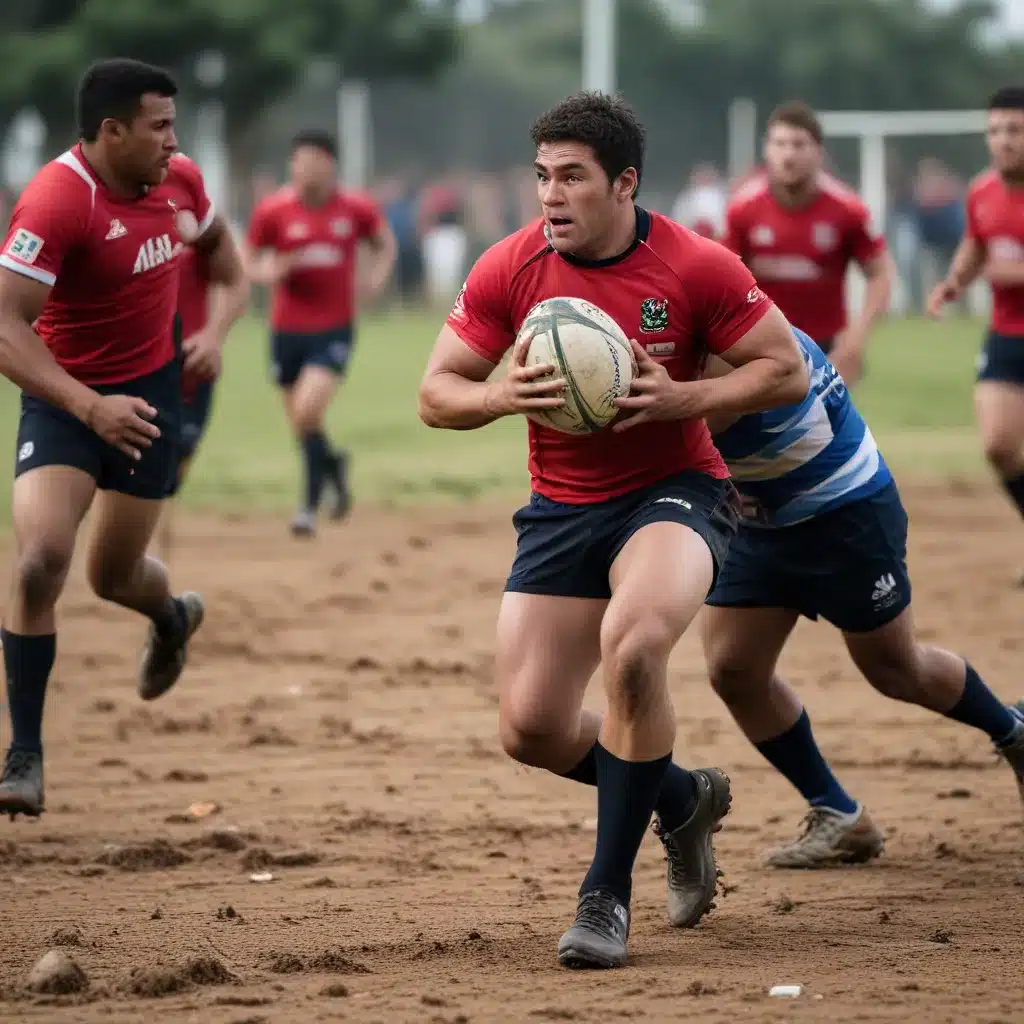
The Evolving Landscape of Rugby Globally
The game of rugby has a rich and storied history, with its roots tracing back to the 19th century in England. However, over the past few decades, we’ve witnessed a remarkable transformation in the global landscape of the sport. What was once primarily confined to its traditional strongholds in Western Europe and the Commonwealth nations has now blossomed into a truly international phenomenon, captivating audiences and communities across the world.
One of the most notable developments has been the geographical diversification of rugby. Once considered a niche pursuit, the sport has steadily made inroads into new markets, sparking a surge in participation and grassroots engagement. From the rapidly growing rugby hubs of Asia and Africa to the passionate fan bases emerging in the Americas, the global footprint of the game continues to expand, bringing its unique blend of camaraderie, skill, and physical prowess to an ever-widening audience.
Alongside this geographical expansion, we’ve also witnessed a remarkable shift in the demographics of rugby players and supporters. The sport is no longer the exclusive domain of a select few; it has become a unifying force, transcending traditional boundaries and embracing diverse communities, including those affected by conflict and natural disasters. This newfound inclusivity has not only broadened the appeal of the sport but has also enabled it to play a pivotal role in fostering resilience, reconciliation, and social development in some of the world’s most challenging regions.
Rugby in Conflict-Affected Regions: Fostering Resilience and Reconciliation
In the face of conflict and upheaval, the game of rugby has emerged as a powerful tool for promoting peace, unity, and community healing. The resilience and camaraderie inherent in the sport have proven to be invaluable assets in post-conflict settings, where the need for social cohesion and the reintegration of displaced populations is paramount.
Take, for example, the inspiring story of rugby’s impact in war-torn regions of Africa. In countries like Liberia and Sierra Leone, where the scars of civil war still linger, rugby has become a driving force for reconciliation and community rebuilding. By providing a safe and inclusive space for individuals from diverse backgrounds to come together, the sport has fostered cross-cultural understanding and broken down barriers that once divided these communities.
Through dedicated rugby programs and the establishment of local clubs, these regions have witnessed a remarkable transformation. Young people, once caught in the cycle of violence, have found a sense of purpose and belonging through the sport, channeling their energy into positive, team-oriented activities. The discipline, teamwork, and leadership skills developed on the rugby pitch have not only empowered these individuals but have also contributed to the broader process of social reintegration and peacebuilding.
Moreover, the global rugby community has played a crucial role in supporting these initiatives, providing resources, expertise, and a platform for these inspiring stories to be shared. Aberdeenshire RFC, for instance, has actively engaged in various outreach programs, partnering with local organizations to establish rugby development centers and facilitate cross-cultural exchanges. This collaborative approach has not only strengthened the sport’s global reach but has also fostered a deeper understanding and appreciation for the unique challenges faced by conflict-affected communities.
Rugby’s Contribution to Post-Disaster Recovery
The transformative power of rugby extends beyond post-conflict settings, as the sport has also proven to be a valuable asset in the aftermath of natural disasters. In regions ravaged by earthquakes, hurricanes, or other catastrophic events, rugby has emerged as a beacon of hope, providing a much-needed avenue for community healing and resilience-building.
One particularly noteworthy example can be found in the Pacific island nation of Fiji, which has grappled with the devastating impacts of climate change-fueled natural disasters. When Cyclone Winston, one of the strongest storms on record, struck the islands in 2016, the rugby community rallied to support the recovery efforts. Local rugby clubs and players became instrumental in the distribution of aid, the rebuilding of infrastructure, and the restoration of a sense of normalcy within affected communities.
Beyond the immediate disaster response, rugby has also played a crucial role in the long-term rehabilitation and socio-economic development of these post-disaster regions. Through the establishment of community-driven rugby programs, individuals and families have found a sense of purpose, connection, and hope amidst the chaos. These initiatives have not only provided a therapeutic outlet but have also fostered the development of essential life skills, such as teamwork, leadership, and resilience.
Moreover, the global rugby community has recognized the immense value of these grassroots efforts, channeling resources and expertise to amplify their impact. Organizations like World Rugby have partnered with local stakeholders to create sustainable rugby development programs, ensuring that the sport’s transformative power is harnessed for the long-term benefit of these post-disaster communities.
Socio-Economic Development through Rugby Expansion
As rugby’s global footprint continues to expand, the sport has also emerged as a powerful tool for driving socio-economic development and promoting social inclusion. In regions where the game has taken root, it has not only fostered a sense of community and belonging but has also provided tangible opportunities for economic empowerment and skill-building.
One of the most remarkable aspects of rugby’s impact on socio-economic development is its alignment with the United Nations’ Sustainable Development Goals (SDGs). Through various rugby-based initiatives, communities around the world have been able to make progress on key SDGs, such as quality education, gender equality, and decent work and economic growth.
In rugby-centric programs, young people, particularly those from marginalized communities, have gained access to educational opportunities, mentorship, and vocational training. The discipline, teamwork, and leadership skills cultivated on the rugby pitch have proven to be invaluable assets in the classroom and the workforce, empowering individuals to pursue their dreams and contribute to the overall development of their communities.
Moreover, the growth of rugby has also fostered greater gender equality, with the women’s game gaining significant traction and recognition globally. From the thrilling Women’s Rugby World Cup to the inspiring stories of female rugby pioneers, the sport has become a powerful platform for challenging traditional gender norms and empowering women both on and off the field.
As the global rugby community continues to expand its reach, it has also forged valuable partnerships with local organizations, leveraging the sport’s unique appeal to address pressing social and economic challenges. These collaborative efforts have not only amplified the game’s impact but have also served as a model for sustainable development, where sport and community engagement are seamlessly woven into the fabric of societal progress.
Rugby Diplomacy: Advancing Global Cooperation and Understanding
Beyond its transformative impact on local communities, rugby has also emerged as a powerful tool for fostering international cooperation and diplomacy. The sport’s ability to transcend cultural and political boundaries has enabled it to serve as a platform for cultural exchange, dialogue, and the promotion of mutual understanding.
Rugby tournaments and events, such as the Rugby World Cup and the Olympic Games, have become more than just athletic competitions; they have become stages for global cooperation and the celebration of diversity. Through these high-profile events, nations have the opportunity to showcase their rugby prowess, but they also engage in a deeper cultural exchange, sharing traditions, customs, and perspectives with audiences around the world.
This diplomatic influence of rugby extends far beyond the playing field. The sport has served as a catalyst for the establishment of international partnerships and the promotion of shared values. Governing bodies like World Rugby have actively leveraged the game’s global appeal to facilitate cross-cultural exchanges, joint development programs, and the fostering of long-lasting relationships between nations.
The impact of rugby diplomacy can be seen in the way the sport has been utilized to bridge divides and promote understanding in regions plagued by conflict or political tensions. In some cases, rugby has provided a neutral platform for adversaries to engage in constructive dialogue, exploring shared interests and finding common ground through the shared love of the game.
As the global rugby community continues to expand, the sport’s diplomatic influence is poised to grow even stronger. By harnessing the power of rugby to foster cultural exchange, strengthen international cooperation, and promote peace and understanding, the sport has the potential to become a driving force for positive change on the global stage.
Rugby’s Role in Building Resilient and Inclusive Communities
At the heart of rugby’s global impact is its ability to strengthen community cohesion and build resilience in the face of adversity. Whether in conflict-affected regions, post-disaster areas, or marginalized communities, the sport has consistently demonstrated its power to bring people together, fostering a sense of belonging and shared purpose.
One of the most remarkable aspects of rugby’s community-building efforts is its focus on inclusive participation. The sport has actively engaged with individuals from diverse backgrounds, including those facing physical, social, or economic barriers. By creating accessible and welcoming rugby programs, the game has become a great equalizer, providing a platform for individuals to develop their skills, build meaningful connections, and contribute to the collective well-being of their communities.
Moreover, rugby’s emphasis on mental health and well-being has been a crucial aspect of its community-building efforts. Through the sport’s holistic approach to player development, which encompasses physical, emotional, and social well-being, rugby has become a valuable tool for promoting resilience and healthy coping mechanisms. This has been particularly impactful in regions where mental health resources are scarce or stigmatized, offering a much-needed avenue for individuals to address their personal challenges and find support within a supportive community.
Beyond the immediate benefits of community engagement, rugby has also demonstrated its ability to positively impact long-term youth development and educational outcomes. By integrating rugby-based programs into school curricula and community initiatives, the sport has become a powerful vehicle for instilling essential life skills, such as teamwork, discipline, and leadership. This multifaceted approach to youth development has not only enhanced academic performance but has also fostered the holistic growth and empowerment of young individuals, preparing them to become the leaders and change-makers of tomorrow.
As the global rugby community continues to expand its reach, the sport’s role in building resilient and inclusive communities will only grow more pivotal. By leveraging its unique blend of physical, mental, and social benefits, rugby has the power to transform lives, strengthen communities, and contribute to a more equitable and sustainable future for all.