
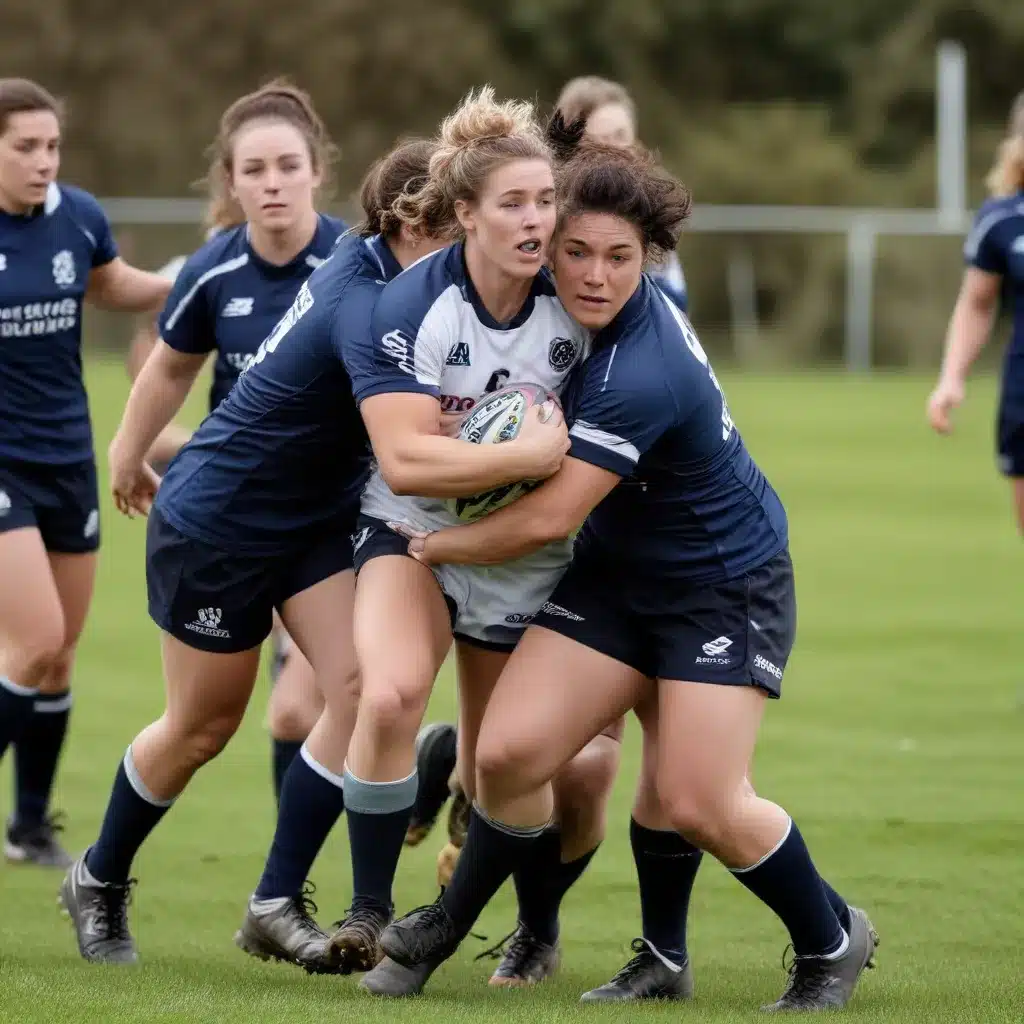
Women’s Rugby: Empowering Participation through Grassroots Initiatives
When I first stepped onto the rugby pitch all those years ago, I had no idea the profound impact this sport would have on my life. The camaraderie, the thrill of the game, the sheer physical challenge – it all combined to create an experience that was truly transformative. But as a woman in rugby, I’ve also witnessed firsthand the barriers and inequities that have long held our participation back.
Thankfully, the tide is turning. Across the globe, grassroots initiatives are emerging that are empowering women and girls to embrace the sport like never before. From community outreach programs to innovative training methodologies, these efforts are not only driving increased participation, but also weaving in crucial elements of sport psychology and mental health support.
Barriers to Women’s Rugby Participation
Let’s start by acknowledging the challenges that have historically deterred women from fully embracing rugby. Outdated gender stereotypes, lack of visibility, and limited access to suitable facilities have all played a role. Many young girls grow up believing rugby is simply “not for them” – a misconception we must actively work to dispel.
Cultural norms and expectations have also posed significant hurdles. In some communities, the physicality and perceived “roughness” of rugby are still seen as unfeminine traits, discouraging participation. And the often-insufficient provision of appropriate female-specific equipment and uniforms has made many women feel uncomfortable and unwelcome on the pitch.
Strategies for Empowerment
But the tide is turning. Across the rugby world, we’re seeing a groundswell of initiatives aimed at empowering women and girls to claim their rightful place in the sport. The key is to tackle these barriers head-on through tailored, community-driven programs that address the unique needs and concerns of female players.
One such initiative is the Aberdeenshire RFC’s “Empower Her” program, which focuses on grassroots outreach and skills development. By partnering with local schools and youth organizations, they’re introducing rugby to a new generation of potential players, showcasing the sport’s accessibility and inclusivity. Crucially, they’re also providing female-specific training, coaching, and mentorship, building confidence and competence from the ground up.
Grassroots Initiatives for Women’s Rugby
Community Engagement Efforts
At the heart of these empowerment initiatives are concerted efforts to engage with local communities. Aberdeenshire RFC, for example, has made it a priority to forge strong connections with schools, community centers, and youth groups in their region. By actively reaching out and establishing these partnerships, they’re able to raise awareness about the sport, dispel misconceptions, and create accessible entry points for aspiring female players.
Through clinics, workshops, and “Come and Try” events, these grassroots programs are introducing rugby to young women and girls in a welcoming, supportive environment. The emphasis is on building fundamental skills, fostering a sense of camaraderie, and instilling a love for the game that will carry them forward.
Outreach and Recruitment
But community engagement extends beyond just introducing the sport. These initiatives are also actively recruiting and retaining female players, ensuring that the momentum carries through. Aberdeenshire RFC, for instance, has developed targeted outreach campaigns to connect with underrepresented groups, such as culturally and linguistically diverse communities and individuals with disabilities. By tailoring their messaging and creating inclusive pathways, they’re ensuring that rugby’s doors are open to all.
Equally important are the efforts to retain existing players. Grassroots programs are providing ongoing support, mentorship, and opportunities for skill development, keeping women engaged and invested in the sport. This holistic approach, focusing on both recruitment and retention, is vital for sustaining long-term participation.
Skill Development and Training
Of course, empowering women in rugby also requires a concerted focus on skill development and training. Grassroots initiatives are recognizing the importance of equipping female players with the technical, tactical, and physical capabilities they need to thrive on the pitch.
Gone are the days of one-size-fits-all training programs. These initiatives are designing tailored sessions that cater to the unique needs and preferences of women, whether it’s focusing on specific techniques, addressing physiological differences, or fostering a more collaborative, supportive training environment.
Crucially, they’re also incorporating elements of sport psychology and mental health support into their training regimes. By nurturing mental resilience, emotional regulation, and holistic well-being, these programs are empowering female players to unlock their full potential, both on and off the field.
Sport Psychology and Mental Health Support
Importance of Mental Resilience in Rugby
Rugby is a sport that demands physical prowess, but it’s the mental fortitude that often separates the good from the great. And for women in rugby, cultivating this mental resilience is paramount. The sport’s inherent physicality, the pressure of competition, and the potential for setbacks can all take a toll on an athlete’s psychological well-being.
That’s why grassroots initiatives are placing a renewed emphasis on integrating sport psychology and mental health support into their programs. By equipping female players with the tools and strategies to manage stress, regulate emotions, and bounce back from adversity, these initiatives are empowering them to thrive in the face of rugby’s unique challenges.
Integrating Sport Psychology into Grassroots Programs
At the heart of these efforts is a deep understanding that physical and mental skills are inextricably linked. Aberdeenshire RFC, for example, has collaborated with sport psychologists to develop comprehensive training modules that weave psychological principles into their on-field sessions.
From visualization and goal-setting techniques to mindfulness practices and emotional regulation strategies, these programs are arming female players with a robust mental toolkit. And the results speak for themselves – players reporting enhanced focus, improved decision-making, and greater resilience in the face of setbacks.
Holistic Approach to Player Well-being
But the support doesn’t stop there. These grassroots initiatives are also recognizing the importance of addressing the broader aspects of player well-being. By incorporating dedicated workshops on nutrition, sleep hygiene, and injury prevention, they’re empowering women to adopt a holistic approach to their health and performance.
After all, rugby is a demanding sport, both physically and mentally. And by providing female players with the resources and guidance they need to optimize their overall well-being, these grassroots programs are setting them up for long-term success, both on and off the field.
Increased Participation: Driving Change
Accessibility and Inclusive Environments
At the heart of these grassroots initiatives lies a fundamental commitment to accessibility and inclusivity. By breaking down the barriers that have long deterred women from embracing rugby, these programs are creating environments where female players feel empowered, supported, and celebrated.
It’s about more than just introducing the sport – it’s about cultivating a sense of belonging. Through targeted outreach, tailored training, and a relentless focus on fostering inclusive and welcoming spaces, these initiatives are ensuring that rugby is a sport where women can thrive.
Inspiring Role Models and Visibility
But empowerment also requires visibility. That’s why these grassroots programs are actively elevating the stories and achievements of their female players, coaches, and administrators. By shining a spotlight on these inspirational role models, they’re demonstrating to aspiring athletes that rugby is a sport where women can excel, lead, and make a lasting impact.
Whether it’s showcasing the triumphs of local heroes or amplifying the voices of global icons, these initiatives are ensuring that young girls and women see themselves reflected in the sport they love. And in doing so, they’re shattering outdated stereotypes and paving the way for a more equitable future.
Measuring the Impact of Grassroots Initiatives
Of course, the true measure of these grassroots initiatives lies in their impact. And that’s why Aberdeenshire RFC and other forward-thinking organizations are dedicated to rigorously tracking and evaluating the outcomes of their programs.
By gathering data on participation rates, skill development, mental health indicators, and broader community engagement, they’re able to fine-tune their strategies and ensure that their efforts are truly making a difference. It’s a commitment to evidence-based decision-making that ensures these initiatives remain responsive, impactful, and sustainable.
Conclusion
As I reflect on my own journey in rugby, I can’t help but feel a deep sense of gratitude for the trailblazers who have paved the way for women like me. But the work is far from over. Through grassroots initiatives that empower, inspire, and support female players, we have the power to transform the landscape of rugby, one community at a time.
So, let’s continue to break down barriers, shatter stereotypes, and empower the next generation of women in rugby. By weaving sport psychology and mental health support into the fabric of these grassroots programs, we’re equipping our players with the tools they need to thrive, both on and off the field.
The future of women’s rugby is bright, and it’s time for us to seize the moment. Join me in this journey, and let’s show the world what we’re made of.