
1. The Rise of Women’s Rugby
1.1. Growth and Popularity
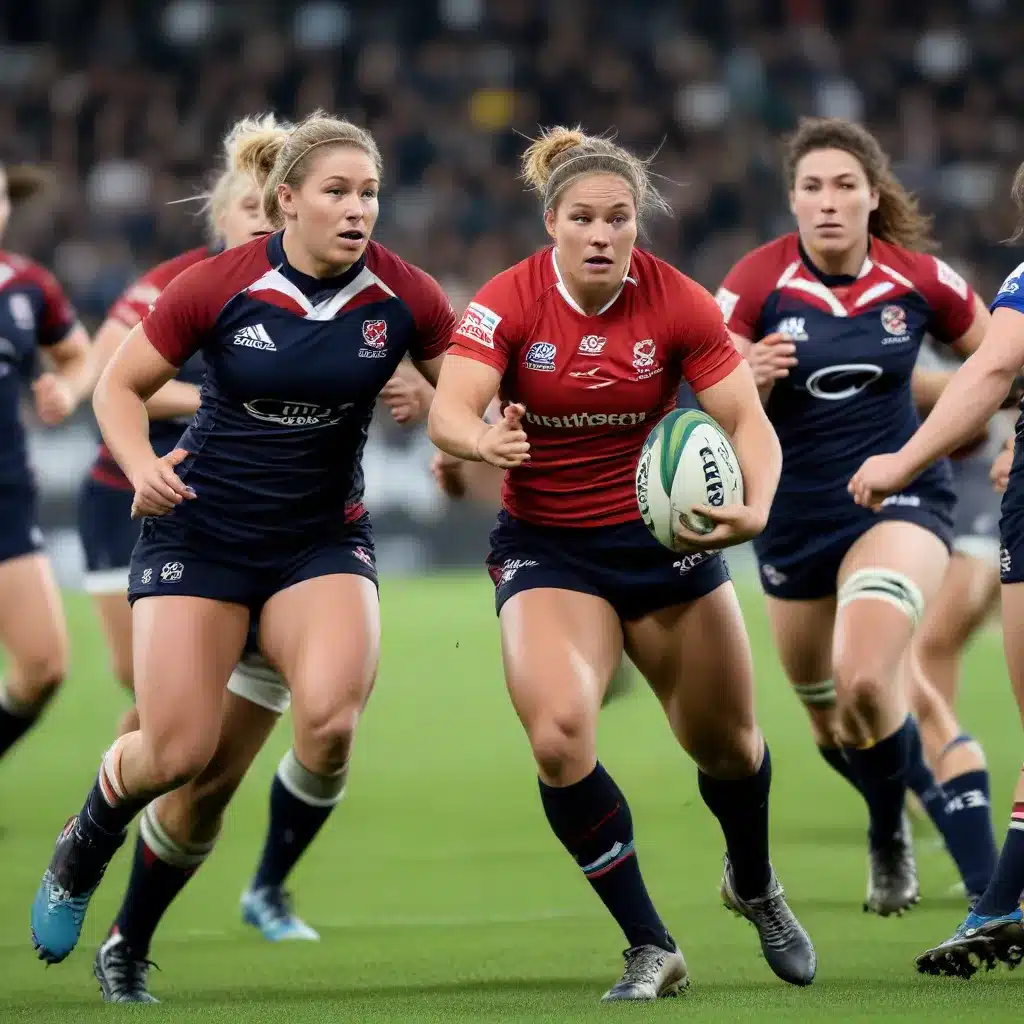
The world of women’s rugby has experienced a remarkable surge in popularity over the past decade. Once considered a niche sport, women’s rugby has undergone a transformative journey, capturing the attention of fans, media, and corporate sponsors alike. From the grassroots level to the international stage, the game has seen a steady increase in participation, with more girls and women lacing up their boots and embracing the physical and tactical demands of this dynamic sport.
1.2. Increasing Professionalization
Alongside the growth in popularity, the women’s rugby landscape has also witnessed a steady march towards professionalization. Governing bodies, such as World Rugby, have made concerted efforts to invest in the development of the women’s game, introducing professional contracts, centralized training programs, and dedicated marketing campaigns. This shift has not only elevated the standard of play but has also created new opportunities for women rugby players to pursue the sport as a viable career path.
2. The Role of Player Agents in Women’s Rugby
2.1. Emergence of Player Agents
As women’s rugby has become more professionalized, the role of player agents has become increasingly crucial. These specialized intermediaries have emerged to represent the interests of female athletes, navigating the complexities of contract negotiations, endorsement deals, and career development. Player agents have become essential partners for women rugby players, providing guidance, advocacy, and a deeper understanding of the rapidly evolving industry.
2.2. Representing Female Athletes
The representation of female athletes by player agents brings a unique set of challenges and considerations. Unlike their male counterparts, women rugby players have historically faced systemic gender bias and unequal treatment, both on and off the field. Player agents working with female athletes must not only possess a deep understanding of the sport but also be equipped to navigate the complex social and cultural dynamics that impact women’s participation and advancement in the industry.
2.3. Negotiating Contracts and Endorsements
One of the primary responsibilities of player agents in women’s rugby is the negotiation of player contracts and endorsement deals. With the increasing professionalization of the sport, the need for skilled negotiators has become paramount. Player agents must be adept at securing fair and equitable compensation, as well as securing favorable terms and conditions that prioritize the well-being and development of their client athletes.
3. Challenges and Considerations for Women’s Rugby Player Agents
3.1. Navigating Gender Bias and Inequality
Women’s rugby player agents must navigate the persistent gender bias and inequality that continues to permeate the sport. From securing equitable playing conditions and resources to advocating for fair media coverage and sponsorship opportunities, these agents must be prepared to challenge the status quo and champion the rights of their female clients.
3.2. Advocacy for Fair Compensation
One of the most pressing challenges faced by women’s rugby player agents is the advocacy for fair and equal compensation for their clients. Despite the growing professionalization of the sport, significant pay gaps and disparities in resources and support still exist between the men’s and women’s games. Player agents must be willing to engage in tough negotiations and leverage their expertise to ensure their clients receive the recognition and remuneration they deserve.
3.3. Balancing Player Welfare and Commercialization
As the women’s rugby landscape becomes increasingly commercialized, player agents must strike a delicate balance between securing lucrative deals for their clients and prioritizing their overall well-being. Agents must be vigilant in protecting their clients from the potential pitfalls of overexposure, burnout, and the erosion of work-life balance, ensuring that the pursuit of commercial success does not come at the expense of the player’s physical and mental health.
4. Professionalization and Regulation of Women’s Rugby Player Agents
4.1. Industry Standards and Best Practices
In response to the rapid growth and evolving nature of the women’s rugby player agent industry, there is a growing need for the establishment of industry-wide standards and best practices. These guidelines would help to ensure a level playing field, promote transparency, and safeguard the interests of both players and agents.
4.2. Certification and Licensing Requirements
To further professionalize the industry, the implementation of certification and licensing requirements for women’s rugby player agents could help to raise the bar for representation. Such measures would not only validate the expertise and credibility of these agents but would also provide a framework for ongoing education, ethical conduct, and accountability.
4.3. Oversight and Dispute Resolution Mechanisms
Alongside the establishment of industry standards and certification requirements, the development of robust oversight and dispute resolution mechanisms is essential for the long-term sustainability and integrity of the women’s rugby player agent industry. These mechanisms would help to address issues such as conflicts of interest, contractual disputes, and ethical breaches, ensuring that the interests of both players and agents are protected.
5. The Evolving Landscape of Women’s Rugby Player Representation
5.1. Emerging Player Agent Firms and Agencies
The growing recognition of the potential within women’s rugby has led to the emergence of specialized player agent firms and agencies dedicated to representing female athletes. These entities bring a deep understanding of the unique challenges and opportunities faced by women in the sport, positioning them to provide tailored support and innovative solutions to their clients.
5.2. Collaboration between Agents and Governing Bodies
As the women’s rugby ecosystem continues to evolve, stronger collaboration between player agents and governing bodies, such as World Rugby, will be essential. By working together, these stakeholders can develop policies, programs, and initiatives that foster the long-term growth and sustainability of the sport, while also ensuring the holistic development and well-being of the players.
5.3. Opportunities for Career Development and Mentorship
The rise of women’s rugby player agents has also created new avenues for career development and mentorship within the industry. Experienced agents can play a vital role in nurturing the next generation of aspiring representatives, passing on their knowledge, insights, and strategies to help propel the profession forward and ensure the continued progress of the women’s game.
6. The Impact of Women’s Rugby Player Agents on the Sport
6.1. Improving Player Welfare and Conditions
Women’s rugby player agents have emerged as powerful advocates for their clients, working tirelessly to improve the overall welfare and working conditions of female athletes. From securing better training facilities and resources to negotiating for higher salaries and more favorable contract terms, these agents have been instrumental in driving positive change within the sport.
6.2. Driving Sponsorship and Commercial Investment
The strategic efforts of women’s rugby player agents have also played a crucial role in attracting increased sponsorship and commercial investment to the sport. By leveraging the growing popularity and visibility of female athletes, these agents have been able to secure lucrative endorsement deals and partnerships that have helped to elevate the profile of women’s rugby on a global scale.
6.3. Promoting Gender Equity and Visibility
At the heart of the work carried out by women’s rugby player agents is the unwavering commitment to promoting gender equity and the visibility of female athletes. Through their advocacy, negotiation, and partnership-building efforts, these agents have been instrumental in shattering stereotypes, challenging biases, and ensuring that women rugby players receive the recognition and platform they rightfully deserve.
7. The Future of Women’s Rugby Player Agent Representation
7.1. Anticipated Trends and Innovations
As the women’s rugby landscape continues to evolve, player agents can expect to navigate an increasingly dynamic and multifaceted industry. Emerging trends, such as the growing influence of social media, the rise of athlete-owned businesses, and the integration of data analytics, will likely shape the future of player representation in the sport.
7.2. Opportunities for Growth and Expansion
The future of women’s rugby player agent representation is brimming with opportunities for growth and expansion. With the continued professionalization of the sport and the increasing recognition of the value and potential of female athletes, player agents can look forward to expanding their client base, diversifying their service offerings, and extending their reach into new and untapped markets.
7.3. Strategies for Continued Progress
To ensure the continued progress and success of women’s rugby player agent representation, a multifaceted approach will be necessary. This may involve the implementation of industry-wide standards and best practices, the fostering of collaborative partnerships with governing bodies and stakeholders, and the investment in the professional development and mentorship of the next generation of player agents.
As the women’s rugby landscape continues to evolve, the role of player agents in shaping the future of the sport has never been more crucial. By embracing the challenges, seizing the opportunities, and championing the rights and aspirations of their female clients, these dedicated professionals are poised to play a pivotal role in driving the sport towards a more equitable, inclusive, and prosperous future.