
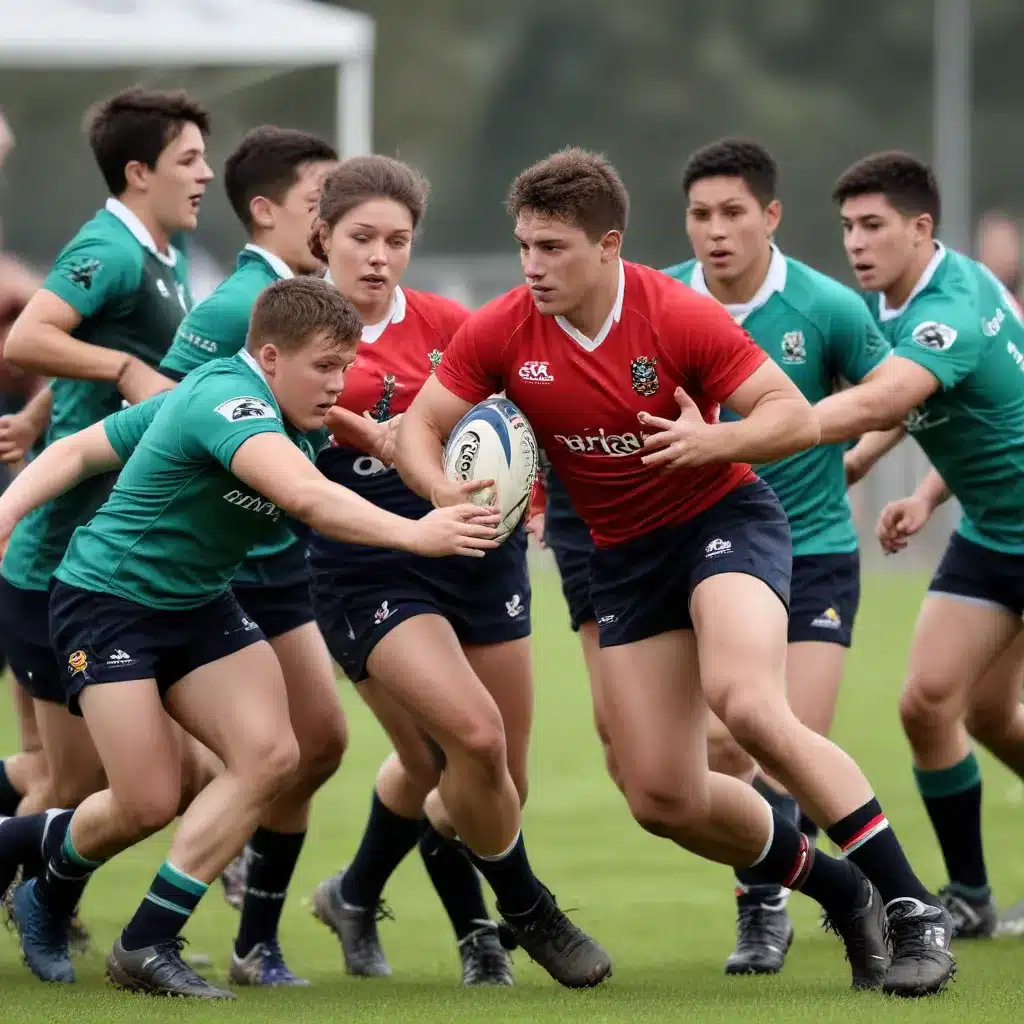
Embracing Rugby’s Youth Development: Nurturing the Future Stars of the Game
Talent Identification and Holistic Player Development
As a seasoned rugby professional, I’ve had the privilege of witnessing the transformative power of youth development firsthand. It’s a journey that goes far beyond merely honing technical skills or physical prowess. At its heart, it’s about cultivating well-rounded individuals who embody the very essence of our beloved sport.
In my experience, the key to nurturing future rugby stars lies in a multifaceted approach that recognizes the inherent potential in every young player. It’s not just about scouting for the next prodigy, but about creating an environment where all athletes can thrive, regardless of their current abilities.
At the core of this philosophy is a deep understanding that each player is on a unique developmental trajectory. One young player might possess raw physical gifts, while another shines through their unparalleled tactical awareness. Some may initially struggle with confidence, only to blossom into inspirational leaders given the right support and guidance. The true art lies in identifying these nuances and crafting individualized pathways that allow each athlete to reach their full potential.
Integral to this process is the concept of holistic player development. Rather than narrowly focusing on on-field performance, we must address the emotional, social, and academic needs of our young athletes. This means fostering an environment that nurtures not just their rugby skills, but their character, resilience, and overall well-being. By empowering them to excel both on and off the pitch, we set them up for long-term success, both in the sport and in life.
Empowering Youth Coaches and Mentorship Programs
At the heart of any thriving youth development program are the coaches and mentors who dedicate themselves to guiding the next generation. These individuals play a pivotal role in shaping the values, mindsets, and technical proficiency of aspiring rugby players.
That’s why it’s essential to invest in the continuous development of our youth coaches. By providing them with the tools, resources, and training they need to excel, we empower them to create transformative experiences for their athletes. This could involve workshops on coaching methodology, sessions on cultivating emotional intelligence, or even opportunities to learn from experienced professionals within the rugby community.
Complementing this coach-centric approach, mentorship programs offer a powerful means of unlocking the full potential of our young players. By pairing them with seasoned veterans or rising stars, we create invaluable opportunities for knowledge sharing, skill refinement, and personal growth. These mentors serve as beacons of inspiration, sharing their own journeys and imparting the wisdom that can only come from years of dedication and experience.
Importantly, these mentorship initiatives extend beyond the technical aspects of the game. They provide a safe space for young athletes to navigate the emotional and psychological challenges that often accompany the pursuit of excellence. Through open dialogues, empathetic guidance, and a genuine commitment to their wellbeing, mentors can help young players develop the resilience, self-awareness, and leadership skills that will serve them well, both on and off the pitch.
Comprehensive Training Frameworks and Skill Development
As we work to nurture the future stars of rugby, a comprehensive training framework is essential. This goes beyond simply drilling the fundamentals or implementing the latest fitness regimen. It’s about crafting a holistic approach that addresses the physical, technical, tactical, and mental dimensions of the game.
At the heart of this framework lies a deep commitment to skill development. We must ensure that our young players are not only physically prepared, but also possess a mastery of the core rugby skills that will serve as the foundation for their success. This means investing time and resources in honing their passing, kicking, ball handling, and decision-making abilities, all while fostering an environment of creativity and exploration.
Importantly, this skill development process must be tailored to the individual needs and learning styles of each player. Some may thrive in a more structured, drill-based environment, while others might flourish when given the freedom to experiment and problem-solve. By adopting a flexible, player-centric approach, we can unlock the unique potential of each athlete, empowering them to become well-rounded, adaptable, and confident on the pitch.
Underpinning this comprehensive training framework is a deep understanding of long-term athlete development. We must resist the temptation to solely focus on immediate results or early specialization, and instead embrace a holistic approach that nurtures sustainable growth and peak performance. This means striking a careful balance between physical preparation, skill refinement, and the development of crucial mental and emotional skills, all while ensuring a healthy work-life balance for our young players.
Grassroots Engagement and Accessible Pathways
At the foundation of any thriving rugby ecosystem lies the grassroots community. It’s here, at the local level, where the seeds of passion and participation are sown, paving the way for the next generation of talent to emerge.
That’s why we must prioritize engaging and empowering our grassroots rugby communities. By forging strong partnerships with schools, youth clubs, and community organizations, we can create accessible pathways that introduce the sport to a diverse range of young people, regardless of their background or previous experience. This could involve hosting regular rugby festivals, offering in-school coaching sessions, or even establishing affordable, inclusive programs that remove the barriers to entry.
Importantly, this grassroots engagement is not just about identifying and developing elite players. It’s about fostering a lasting love for the game, instilling the values of teamwork, respect, and sportsmanship, and cultivating a vibrant rugby culture that extends far beyond the boundaries of the pitch. By nurturing a sense of community and belonging, we empower young players to become ambassadors for the sport, inspiring their peers and serving as role models for future generations.
Complementing this grassroots engagement, we must also ensure that our player pathways are truly accessible and inclusive. This means creating opportunities for players of all abilities to progress, whether they aspire to reach the elite level or simply wish to enjoy the game for a lifetime. By offering a range of development programs, from recreational leagues to high-performance academies, we can cater to the diverse needs and aspirations of our young athletes, ensuring that no talent goes untapped.
Bridging the Gap to Elite Performance
As we work to nurture the future stars of rugby, it’s essential that we also address the critical juncture between youth development and elite performance. This transition can be a challenging one, marked by increased expectations, heightened competition, and the need to adapt to a more demanding training and performance environment.
To ensure a seamless progression for our young players, we must forge robust partnerships between grassroots organizations, regional development programs, and the professional rugby community. By aligning our coaching philosophies, training methodologies, and player support systems, we can create a cohesive pathway that empowers our athletes to navigate this crucial stage with confidence and success.
Central to this endeavor is the need to provide our young players with the necessary resources and guidance to thrive in the elite performance environment. This might involve access to world-class facilities, specialized sports science and medical support, or even the opportunity to learn from seasoned professionals who have walked the same path before them. By investing in these holistic, player-centric support systems, we can help our young athletes develop the physical, mental, and emotional resilience required to excel at the highest levels of the game.
Equally important is the need to prioritize the overall well-being of our elite youth players. As the demands of the sport increase, so too must our commitment to safeguarding their physical, mental, and social health. This means implementing comprehensive athlete welfare programs, fostering open communication, and ensuring that the transition to elite rugby is not only a professional, but also a personal, journey of growth and fulfillment.
Embracing the Future: Fostering a Vibrant Rugby Culture
As we look to the future of rugby, it’s clear that the key to sustained growth and success lies in our ability to nurture the next generation of players, coaches, and enthusiasts. By embracing a comprehensive, player-centric approach to youth development, we can cultivate a vibrant rugby culture that resonates across all levels of the game.
At the heart of this endeavor is a deep commitment to promoting the sport’s core values – values that transcend the boundaries of the pitch and permeate every aspect of our players’ lives. By instilling a sense of respect, teamwork, and sportsmanship in our young athletes, we empower them to become ambassadors for the game, inspiring their peers and fostering a widespread appreciation for the sport.
Crucial to this cultural shift is our ability to engage the next generation in meaningful and innovative ways. This might involve leveraging digital platforms to create immersive, interactive experiences that spark the imaginations of young rugby fans. It could also entail forging strategic partnerships with community organizations, schools, and local businesses to broaden the sport’s reach and appeal.
Underpinning this cultural transformation is a deep understanding that rugby’s future cannot be secured in isolation. By strengthening our ties with local communities, collaborating with key stakeholders, and fostering a shared sense of ownership and pride, we can create a rugby ecosystem that is truly reflective of the diverse and vibrant society it serves.
As I reflect on my own experiences in the world of rugby, I am reminded of the transformative power of youth development. It is here, in the nurturing of our young players, that we find the seeds of greatness – not just on the pitch, but in the character, values, and resilience that will shape the future of our sport. By embracing this responsibility with passion, empathy, and a steadfast commitment to excellence, we can ensure that the legacy of rugby lives on, inspiring generations to come.