
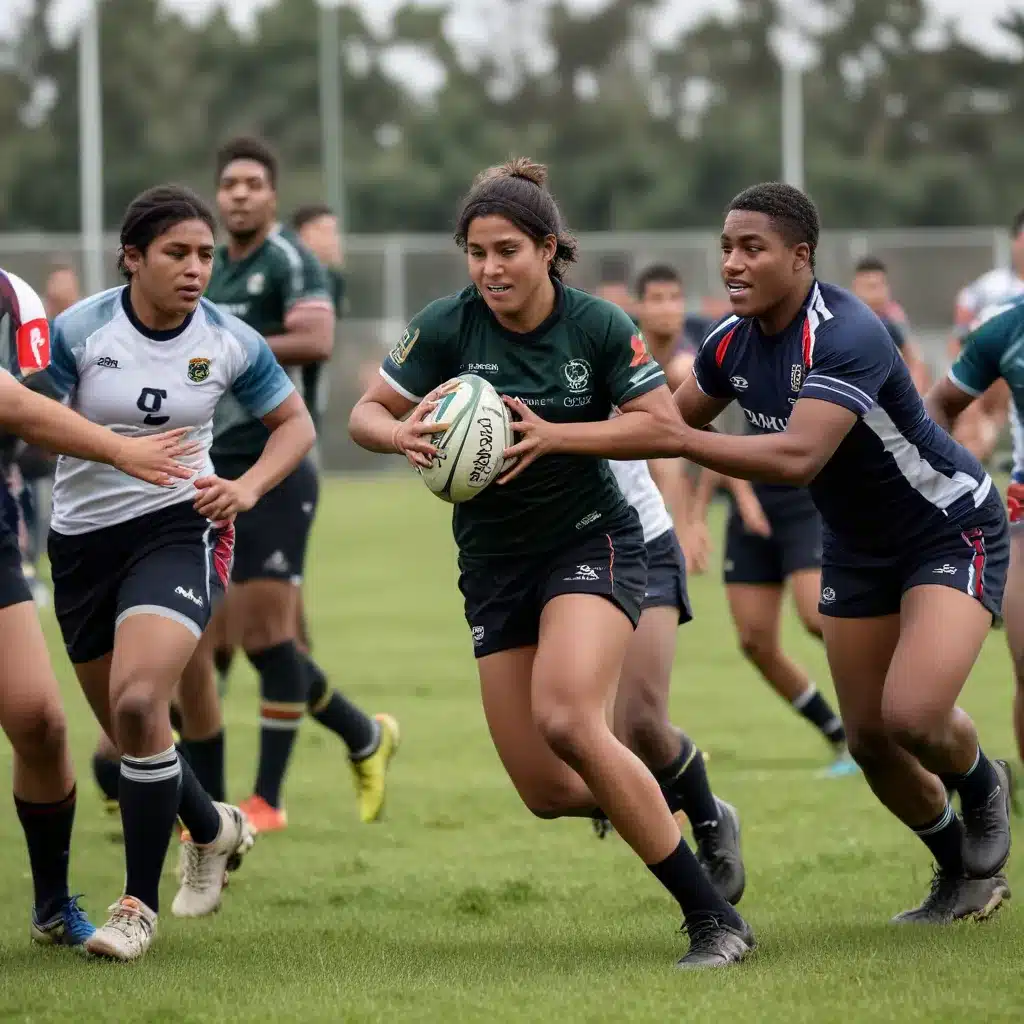
Diversity and Inclusion in Sports
As Australia’s population becomes increasingly diverse, the role of sports in bringing people together has never been more vital. Sporting clubs across the country are recognizing the importance of inclusivity, particularly for culturally and linguistically diverse (CALD) communities. By fostering an environment where everyone feels welcome and supported, regardless of their background, clubs can help build stronger, more connected communities, all while encouraging participation in sport.
Addressing Barriers to Participation
One significant challenge CALD communities face in accessing sports is transportation. Clubs are finding creative solutions to address this by partnering with organisations and local businesses, arranging volunteer drivers, and coordinating with parents and coaches to transport players who might otherwise struggle to get to training and games. At Logan Metro FC, for example, the club has collaborated with Beam, a local e-scooter company, to provide youth players with credits for scooter rides to training. This initiative has reduced the burden of long walks to training sessions and has been widely embraced by the players.
To address financial barriers, many clubs are doing their best to keep fees as affordable as possible to make sport more accessible. At Centenary Stormers FC, this involves using sponsorships money and government programs such as Get Started vouchers to cover administrative costs. Both clubs also support parents by offering payment plans and aiding the process of applying for financial assistance to ensure no player is left out due to financial constraints.
Fostering a Welcoming Environment
Building a welcoming and inclusive sporting environment revolves around supportive and respectful communication. As Sam Escobar, President of Logan Metro FC, has learnt, “It’s not an overnight thing… if you are really committed to having members in your club from diverse backgrounds, it really involves having genuine patience and wanting to get messages across so they can learn how to adapt to these new environments because it is sometimes quite confronting how structured it is.”
Clubs must be willing to engage with families, understand their unique needs, and build trust through ongoing dialogue. Moreover, they need to be prepared to address issues like exclusion or racism head-on. Working as a volunteer with Pushing Barriers, Emily McKenna stresses the need for clubs to develop systems to respond to such incidents promptly.
The Role of Rugby Clubs in Promoting Inclusivity
Community Outreach and Engagement
Forward-thinking clubs like Centenary Stormers FC and Logan Metro FC are working closely with community organisations such as Pushing Barriers to implement strategies that ensure all players can thrive in their sporting journey. Pushing Barriers is a not-for-profit organisation that helps people from refugee backgrounds navigate Australia’s sport system by connecting them with local clubs and assisting families with communication, registration, fees, transportation and equipment.
“I think creating a welcoming and inclusive environment all comes down to relationships,” says Tracy Tucker, CEO of Pushing Barriers. “Developing that trust relationship is essential. We start doing this at home visits and continue to build on it through our team liaison officer program.” By working with community organisations in this way, clubs can provide a support system that eases the transition for families from CALD communities.
Inclusive Coaching and Training Practices
The role of a coach goes beyond just teaching the fundamentals of a sport. It’s about fostering an inclusive environment where every player can thrive. This involves understanding and respecting the diverse backgrounds of each player and supporting them to grow both on and off the field.
Douglas Jones, a coach at Centenary Stormers Football Club, says recognizing and harnessing the passion that players from CALD backgrounds often bring is key to building a cohesive team where all players feel valued. “A lot of the kids in these teams are so passionate about the game. They give everything they’ve got, and that passion raises the whole team culture,” Jones explains.
Coaches should also be aware that for some players, structured club sport may be a completely new concept. As Jones adds, “While you might get players with different skill levels, for many, it’s their first year playing club sport, so they are not used to that environment, they’re not used to the structure.”
To overcome language barriers, coaches like Saeed Ali of Centenary Stormers Football Club recommend keeping instructions as simple as possible and considering alternative ways of communicating, such as demonstrating techniques physically or finding someone to translate.
Refugee and Immigrant Athletes: Unique Challenges
Cultural and Linguistic Considerations
Players with culturally and linguistically diverse (CALD) backgrounds can come from all over the world, yet one thing they often have in common is the enthusiasm they bring to the game. However, coaches must be aware that for some, structured club sport may be a completely new concept.
“While you might get players with different skill levels, for many, it’s their first year playing club sport, so they are not used to that environment, they’re not used to the structure,” explains Douglas Jones, a coach at Centenary Stormers Football Club.
To overcome language barriers, coaches recommend keeping instructions simple and considering alternative ways of communicating, such as demonstrating techniques physically or finding someone to translate. As Saeed Ali of Centenary Stormers Football Club says, “Keeping it simple allows the players to understand the field of play, their role, and what they need to do.”
Mental Health and Wellness Support
Building trust with players and their families is central to engaging participants from CALD communities. As Douglas Jones emphasizes, “You have to walk the walk and not just talk. If you follow up your talk with action and show that you care about them and their welfare, they will start to trust you.”
Engaging with families and showing interest in players’ lives outside of sport can strengthen relationships, making players more receptive to support and coaching. Clubs should also be prepared to address issues like exclusion or racism head-on, ensuring a safe and supportive environment for all.
Strategies for Ensuring Positive Experiences
Mentorship and Peer-to-Peer Connections
A form of inclusive coaching is creating opportunities for players to bond and learn from one another. Queensland-based coach Duy Nguyen recommends organising informal team activities to bring players together outside of games. This can also be a good opportunity to celebrate different cultural traditions and build a stronger and more united team.
“Organise a barbecue with halal sausages for the Muslim players, invite their families, and let them learn from each other,” Nguyen suggests. He also emphasizes the importance of respecting and accommodating religious practices, such as Ramadan.
Celebrating Diversity and Representation
Representation matters, and the visibility of women and people from diverse backgrounds in leadership and playing roles can have a profound impact on young athletes. As Sam Escobar, President of Logan Metro Football Club, observes, “When they see representation of females that wear hijabs and who coach, it makes it so much easier for them to get involved.”
Clubs can actively recruit and support the progression of women and other underrepresented groups into coaching, management and committee roles. This not only sends a powerful message of inclusivity but also ensures that the unique needs of diverse participants are understood and addressed.
Fostering a Culture of Belonging
Inclusive Club Policies and Initiatives
Clubs that are serious about inclusivity often have diverse representation across their leadership structure, including the committee, coaching staff, and management. As Belinda Fisher, President of Centenary Stormers FC, explains, “Having people of diverse backgrounds on our leadership board is great, and we’ve taken on some of their ideas.”
These clubs also make small yet impactful changes, such as adding halal-friendly options in the club canteen and introducing a multicultural liaison officer to the team. While seemingly minor, such adjustments can have a significant positive impact on the club’s diverse membership.
Collaborative Partnerships
Developing strong partnerships with community organisations is key to fostering a welcoming and inclusive environment. As Tracy Tucker of Pushing Barriers emphasizes, “I think creating a welcoming and inclusive environment all comes down to relationships. Developing that trust relationship is essential.”
By working collaboratively with groups that support people from refugee and immigrant backgrounds, clubs can provide a comprehensive support system to ease the transition for CALD families and ensure all players feel valued and empowered within the club.
The Impact of Inclusivity on Refugee and Immigrant Athletes
Personal Narratives and Testimonials
David Jongkuch Ayuen, a football player from South Sudan who grew up in a refugee camp in Kenya, describes his experience of arriving in Australia as a “dream come true.” However, the reality of migrating and settling into the community wasn’t so simple.
“The biggest challenges were connecting with the community, not knowing anyone, being unable to speak English, and being clueless about where to go,” he said. Like many others from CALD communities, Jongkuch Ayuen found connection to his new home through sport.
Zahra Ahmadi, an AFL and boxing participant, also highlights the importance of accommodating the needs of Muslim girls in sports. “Muslim girls are meant to be fully covered, so clubs should provide the same colour as the jersey for a scarf, tights, and long-sleeve shirt,” she explained.
Measurable Outcomes and Success Stories
The work of organisations like Pushing Barriers has had a measurable impact on the lives of refugee and immigrant athletes. As Tracey Tucker, CEO of Pushing Barriers, shares, “We’ve seen youths from refugee backgrounds be embraced by their team and coaches, grow in confidence, improve their English, build friendships, and just feel part of a community.”
Clubs that have implemented inclusive practices, such as Centenary Stormers FC and Logan Metro FC, have seen a positive shift in their diverse membership. “When they see representation of females that wear hijabs and who coach, it makes it so much easier for them to get involved,” says Sam Escobar, President of Logan Metro Football Club.
By embracing diversity and making thoughtful adjustments, sporting clubs can provide CALD communities with the opportunity to enjoy the benefits of sports and build meaningful relationships, all while paving the way for a more inclusive sport system in Australia.
For more strategies and resources on including multicultural communities in sport, visit the Australian Sports Commission’s Inclusive Sport webpage and check out the new Multicultural Engagement Playbook.