
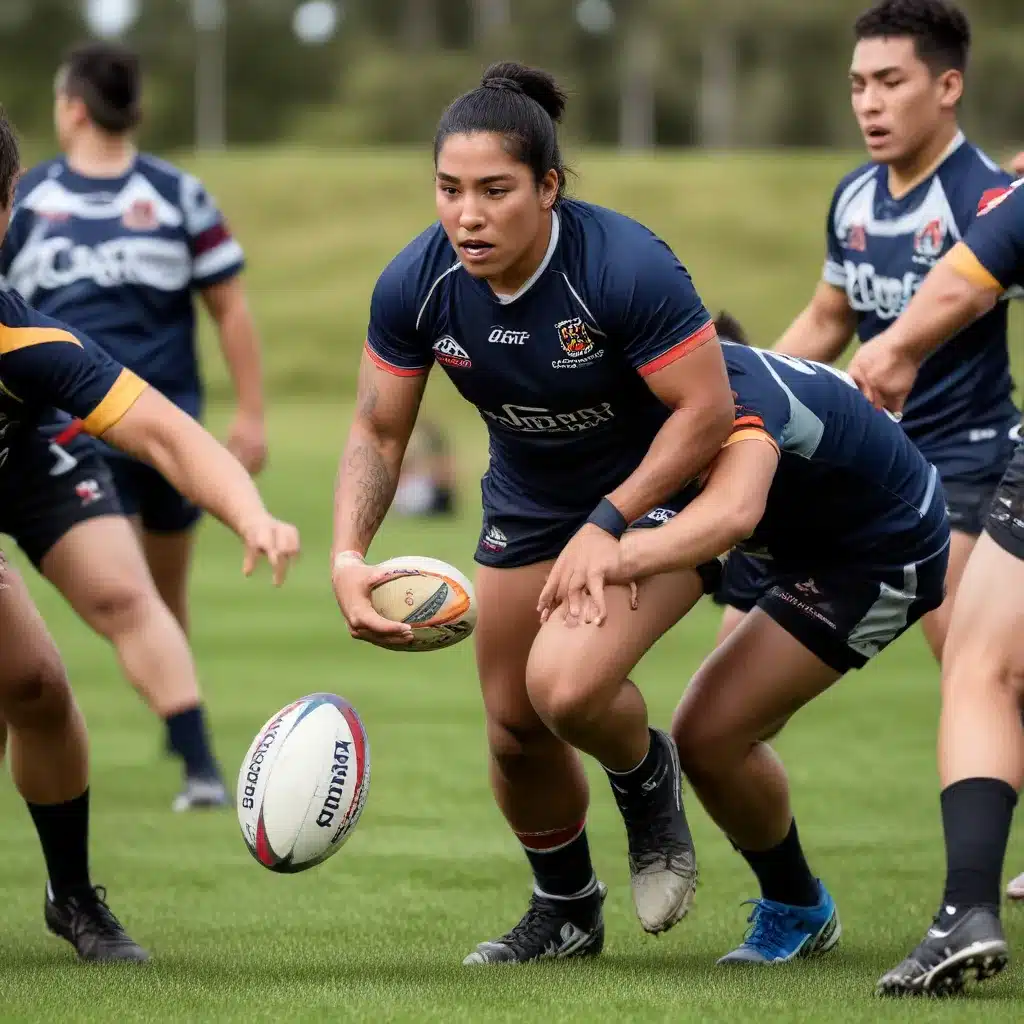
The Importance of Inclusive Sports Environments
Sports have the power to unite communities, transcend boundaries, and forge a shared sense of identity. This is particularly true for rugby, a sport deeply ingrained in the cultural heritage of many indigenous and First Nations peoples around the world. However, for these communities, accessing and feeling welcomed within the rugby ecosystem has not always been an easy endeavor. Fostering inclusive, equitable, and accessible rugby environments is crucial to ensuring that all athletes and coaches, regardless of their background, can thrive and reach their full potential.
As a seasoned rugby professional, I’ve witnessed firsthand the transformative impact that inclusive sports programs can have on indigenous and First Nations participants. When these communities feel empowered, represented, and supported, the benefits extend far beyond the playing field. Stronger social connections, enhanced self-esteem, and a heightened sense of cultural pride can all stem from positive rugby experiences.
Challenges Faced by Indigenous and First Nations Athletes and Coaches
Unfortunately, indigenous and First Nations athletes and coaches have often faced significant barriers to full participation in rugby. From systemic discrimination and lack of representation to cultural misunderstandings and limited access to resources, these challenges can create an unwelcoming environment that discourages involvement and undermines the sport’s unifying potential.
Many indigenous and First Nations individuals have recounted experiences of feeling overlooked, misunderstood, or even actively excluded from rugby clubs and organizations. The lack of coaches, officials, and administrators who share their cultural background can compound this sense of isolation, making it challenging for them to see themselves reflected in the sport’s leadership and decision-making processes.
Additionally, economic and logistical hurdles, such as the affordability of equipment, transportation to training and matches, and the availability of culturally appropriate facilities, can pose significant obstacles to sustained participation. These practical barriers further widen the gap between indigenous and First Nations communities and the rugby mainstream.
Fostering Positive Experiences for Indigenous and First Nations Participants
To address these challenges and create a more inclusive rugby landscape, clubs and organizations must take deliberate steps to build trust, foster representation, and prioritize the unique needs of indigenous and First Nations athletes and coaches. By adopting a holistic, community-driven approach, rugby can become a powerful tool for empowerment, cultural celebration, and personal growth.
Culturally Responsive Coaching Practices
At the heart of this inclusivity effort lies the role of coaches. As the primary facilitators of the rugby experience, coaches must possess a deep understanding and appreciation for the cultural traditions, values, and lived experiences of their indigenous and First Nations athletes. This cultural responsiveness can manifest in various ways, such as:
- Incorporating traditional indigenous games, drills, and training methods into practice sessions to honor and celebrate these rich legacies.
- Educating themselves on the unique challenges and barriers faced by indigenous and First Nations participants and tailoring their coaching approach accordingly.
- Actively seeking to learn about and incorporate indigenous and First Nations perspectives and narratives into their coaching philosophies and team-building activities.
- Fostering open and respectful dialogues with athletes and their families to better understand their needs and concerns.
- Advocating for the inclusion of indigenous and First Nations voices in decision-making processes within the club or organization.
By demonstrating a genuine commitment to cultural understanding and inclusivity, coaches can create a welcoming environment that empowers indigenous and First Nations athletes to thrive both on and off the pitch.
Promoting Visibility and Role Models
The presence of indigenous and First Nations athletes and coaches in visible leadership roles can have a profound impact on fostering a sense of belonging and inspiring the next generation. Rugby clubs and organizations should actively seek to identify, elevate, and celebrate these role models, showcasing their achievements and stories to the broader community.
This representation can take many forms, such as:
- Featuring indigenous and First Nations players and coaches prominently in club marketing and promotional materials, social media, and community outreach initiatives.
- Hosting regular club events and workshops led by indigenous and First Nations rugby experts, community elders, and cultural leaders.
- Establishing mentorship programs that pair younger indigenous and First Nations athletes with established players and coaches, facilitating knowledge sharing and personal growth.
- Collaborating with indigenous and First Nations organizations to co-create development pathways and talent identification programs that nurture the next generation of rugby leaders.
By shining a spotlight on these positive role models, clubs can challenge stereotypes, inspire greater participation, and demonstrate that rugby is a sport that truly values and celebrates the diversity of its participants.
Embracing Diversity in Rugby Clubs
Creating an inclusive rugby environment goes beyond just representation; it requires a deep commitment to dismantling systemic barriers and cultivating a culture of belonging. Rugby clubs and organizations must take proactive steps to embed inclusivity into their policies, practices, and overall ethos.
Inclusive Club Policies and Initiatives
Rugby clubs should review and revise their policies and procedures to ensure they are truly inclusive and equitable. This may involve:
- Developing and prominently displaying a comprehensive inclusion and diversity policy that outlines the club’s commitment to fostering a welcoming environment for all participants.
- Providing mandatory cultural competency training for coaches, officials, and club administrators to enhance their understanding of indigenous and First Nations cultures and identities.
- Establishing dedicated scholarships, grants, or financial assistance programs to support indigenous and First Nations athletes and coaches, addressing barriers related to equipment, transportation, and other logistical challenges.
- Partnering with indigenous and First Nations organizations to collaboratively design and implement community outreach programs that introduce rugby to underrepresented groups.
- Ensuring that club facilities and uniforms are culturally appropriate and respectful, incorporating indigenous and First Nations design elements or ceremonial practices.
By taking these tangible steps, rugby clubs can demonstrate their genuine investment in creating a truly inclusive space that celebrates the rich diversity of the sport.
Addressing Systemic Barriers
Fostering inclusivity in rugby also requires a critical examination of the sport’s broader systems and structures. Clubs and organizations must be willing to confront and address the systemic barriers that have historically hindered indigenous and First Nations participation.
This may involve:
- Conducting comprehensive equity audits to identify and rectify any biases or exclusionary practices within coaching, officiating, and administrative processes.
- Advocating for increased funding and resource allocation to support indigenous and First Nations rugby development programs, ensuring equitable access to quality training, coaching, and competitive opportunities.
- Collaborating with national and international rugby governing bodies to amplify the voices and perspectives of indigenous and First Nations stakeholders in high-level decision-making.
- Partnering with educational institutions, community organizations, and governmental agencies to create seamless pathways for indigenous and First Nations youth to engage with rugby from an early age.
By addressing these systemic issues head-on, rugby clubs can pave the way for lasting, transformative change that empowers indigenous and First Nations athletes and coaches to thrive within the sport.
Building Partnerships and Community Engagement
Fostering inclusive rugby environments requires a collaborative, community-driven approach. Clubs and organizations must actively engage with indigenous and First Nations communities, building meaningful partnerships and fostering long-term relationships built on trust and mutual understanding.
Collaborating with Indigenous and First Nations Organizations
Rugby clubs should seek out opportunities to partner with established indigenous and First Nations organizations, tapping into their expertise and leveraging their existing community networks. These partnerships can take various forms, such as:
- Jointly developing and implementing rugby-focused programs and initiatives that address the specific needs and interests of indigenous and First Nations participants.
- Inviting indigenous and First Nations elders, community leaders, and cultural practitioners to share their knowledge and wisdom with club members, coaches, and administrators.
- Collaborating on the creation of culturally appropriate rugby equipment, uniforms, and branding that celebrate the rich heritage and artistry of these communities.
- Organizing regular community events, such as cultural festivals, traditional games, and storytelling sessions, to foster a deeper connection between the rugby club and indigenous and First Nations stakeholders.
By fostering these mutually beneficial partnerships, rugby clubs can amplify the voices of indigenous and First Nations communities and ensure that their perspectives are meaningfully incorporated into the sport’s development and growth.
Fostering Intergenerational Knowledge Sharing
Another crucial aspect of building inclusive rugby environments is the intentional fostering of intergenerational knowledge sharing. By creating opportunities for indigenous and First Nations elders, youth, and athletes to come together, clubs can facilitate the transfer of cultural traditions, values, and rugby-specific expertise.
This can be achieved through initiatives such as:
- Establishing mentorship programs that pair experienced indigenous and First Nations rugby players and coaches with younger participants, enabling the passing down of technical skills, tactical knowledge, and life lessons.
- Organizing workshops, clinics, and training sessions led by indigenous and First Nations rugby legends, providing a platform for them to share their stories, insights, and strategies with the next generation.
- Hosting community gatherings and cultural immersion experiences that bring together players, coaches, and community members to celebrate the sport’s rich history and diverse traditions.
By embracing this intergenerational approach, rugby clubs can foster a deeper sense of cultural continuity and community ownership, empowering indigenous and First Nations participants to become active stewards of the sport’s growth and development.
As a seasoned rugby professional, I’ve seen firsthand the transformative power of inclusive sports environments. When indigenous and First Nations athletes and coaches feel welcomed, represented, and empowered within the rugby ecosystem, the sport’s ability to unite, inspire, and uplift communities is truly remarkable.
By embracing culturally responsive coaching practices, promoting visible role models, implementing inclusive policies, addressing systemic barriers, and building meaningful partnerships, rugby clubs can create a welcoming and equitable space that celebrates the diversity of the sport. This holistic approach not only benefits indigenous and First Nations participants but strengthens the rugby community as a whole, paving the way for a more inclusive and impactful future.
I encourage all rugby clubs, from grassroots to elite levels, to prioritize this inclusive vision and work tirelessly to foster positive experiences for indigenous and First Nations athletes and coaches. Together, we can harness the unifying power of rugby to build a more just, equitable, and thriving sports landscape that truly represents the richness of our global community.