
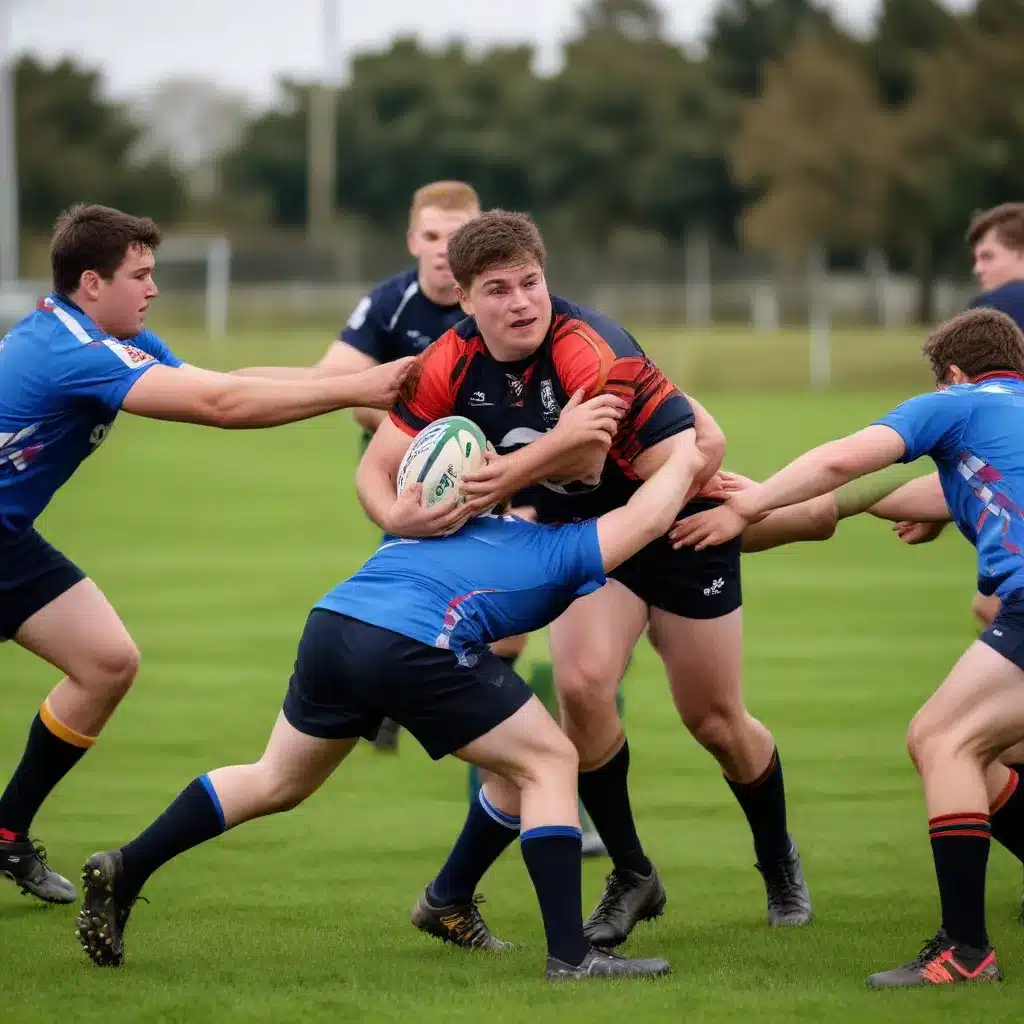
Diversity and Accessibility in Rugby
As a seasoned rugby professional, I’ve seen firsthand the incredible power of the sport to bring people together, cultivate a strong sense of community, and provide a platform for personal growth and development. But for too long, the world of rugby has faced challenges in fully embracing inclusivity and ensuring positive experiences for all participants, particularly those with intellectual disabilities.
Thankfully, we’re starting to see a shift in mindset, with progressive rugby clubs stepping up to the plate and leading the way when it comes to fostering an environment of accessibility and belonging. At the heart of this movement is a deep understanding that diversity strengthens the sport, and that accommodating the unique needs of athletes with intellectual disabilities is not only the right thing to do, but can yield immensely rewarding outcomes for everyone involved.
The Power of Team Sports
Rugby, with its emphasis on teamwork, communication, and camaraderie, is uniquely positioned to provide a transformative experience for individuals with intellectual disabilities. The communal spirit of the sport, where players work together towards a common goal, can be a powerful antidote to the social isolation and feelings of exclusion that so many of these athletes face in their daily lives. As one coach from the Aberdeenshire RFC shared, “For our athletes with intellectual disabilities, the rugby pitch is a place where they can truly belong, where they’re accepted for who they are, and where they can develop lifelong friendships.”
But fostering this sense of belonging and positivity requires a deliberate and thoughtful approach. It’s not enough to simply open the doors and expect seamless integration. Rugby clubs must be willing to put in the work, to understand the unique needs and challenges faced by athletes with intellectual disabilities, and to create a culture of genuine inclusion.
Addressing the Needs of Athletes with Intellectual Disabilities
At the core of this effort is the need to develop a deep understanding of intellectual disabilities and how they can impact an individual’s participation in sports. Cognitive impairments and developmental disabilities can manifest in a variety of ways, affecting everything from decision-making and self-regulation to social interaction and learning.
For coaches and club administrators, this means being proactive in acquiring the necessary knowledge and skills to effectively support these athletes. It’s about going beyond the surface-level accommodations and really delving into the nuances of each individual’s needs. As one coach shared, “It’s not a one-size-fits-all approach. Each of our athletes with intellectual disabilities has their own unique strengths, challenges, and preferences. The key is to listen, to be flexible, and to tailor our support accordingly.”
This might involve providing specialized training in areas like goal-setting, emotional regulation, and social communication. It could also mean partnering with local disability organizations to ensure that athletes have access to the resources and services they require, both on and off the field.
Cultivating Positive Experiences
But the true measure of a rugby club’s inclusivity lies not in the accommodations alone, but in the overall culture and atmosphere that is cultivated. Clubs that are truly embracing inclusivity understand that it’s not enough to simply “integrate” athletes with intellectual disabilities – the goal should be to create an environment where they can thrive, feel empowered, and experience a profound sense of belonging.
This is where the concept of “psychological safety” comes into play. By fostering a climate of trust, respect, and mutual understanding, clubs can empower athletes with intellectual disabilities to take risks, express themselves freely, and fully engage in the sport. As one player shared, “Here, I don’t have to worry about being judged or misunderstood. I can just be myself, and that makes all the difference in the world.”
Coupled with this psychological safety is a deep commitment to nurturing the holistic wellbeing of each athlete. Clubs that excel in this area recognize that sports participation is about more than just physical activity – it’s about building confidence, fostering social connections, and cultivating a positive sense of self. They don’t just focus on athletic development, but on the athlete as a whole person.
The Transformative Impact of Inclusive Rugby
The transformation that can occur when rugby clubs truly embrace inclusivity and create positive experiences for athletes with intellectual disabilities is nothing short of remarkable. I’ve witnessed athletes who were once shy and withdrawn blossom into confident, self-assured individuals, their faces lit up with joy and a profound sense of accomplishment.
And the benefits extend far beyond the individual athlete. Inclusive rugby clubs foster a culture of empathy, understanding, and mutual respect that permeates the entire community. Team members without intellectual disabilities learn valuable lessons about diversity, acceptance, and the power of inclusion. Families of athletes with intellectual disabilities find a welcoming, supportive network that can be a lifeline in their daily lives.
The Road Ahead: Continuous Improvement and Expansion
Aberdeenshire RFC is just one example of a rugby club that is leading the charge when it comes to inclusivity and positive experiences for athletes with intellectual disabilities. But the work is far from done. As a rugby community, we must continue to push the boundaries, to share best practices, and to inspire other clubs to follow suit.
It’s about constantly reevaluating our approaches, seeking feedback from the athletes themselves, and being willing to adapt and evolve. It’s about forging partnerships with disability organizations, leveraging the latest research and evidence-based strategies, and ensuring that our coaching staff is equipped with the knowledge and skills to create truly inclusive environments.
Most importantly, it’s about maintaining a steadfast commitment to the principle that rugby, and all sports, should be a place where everyone can belong, thrive, and unlock their full potential. By embracing inclusivity and fostering positive experiences for athletes with intellectual disabilities, we don’t just strengthen our sport – we strengthen our entire community, and create a legacy of empowerment and understanding that will resonate for generations to come.