
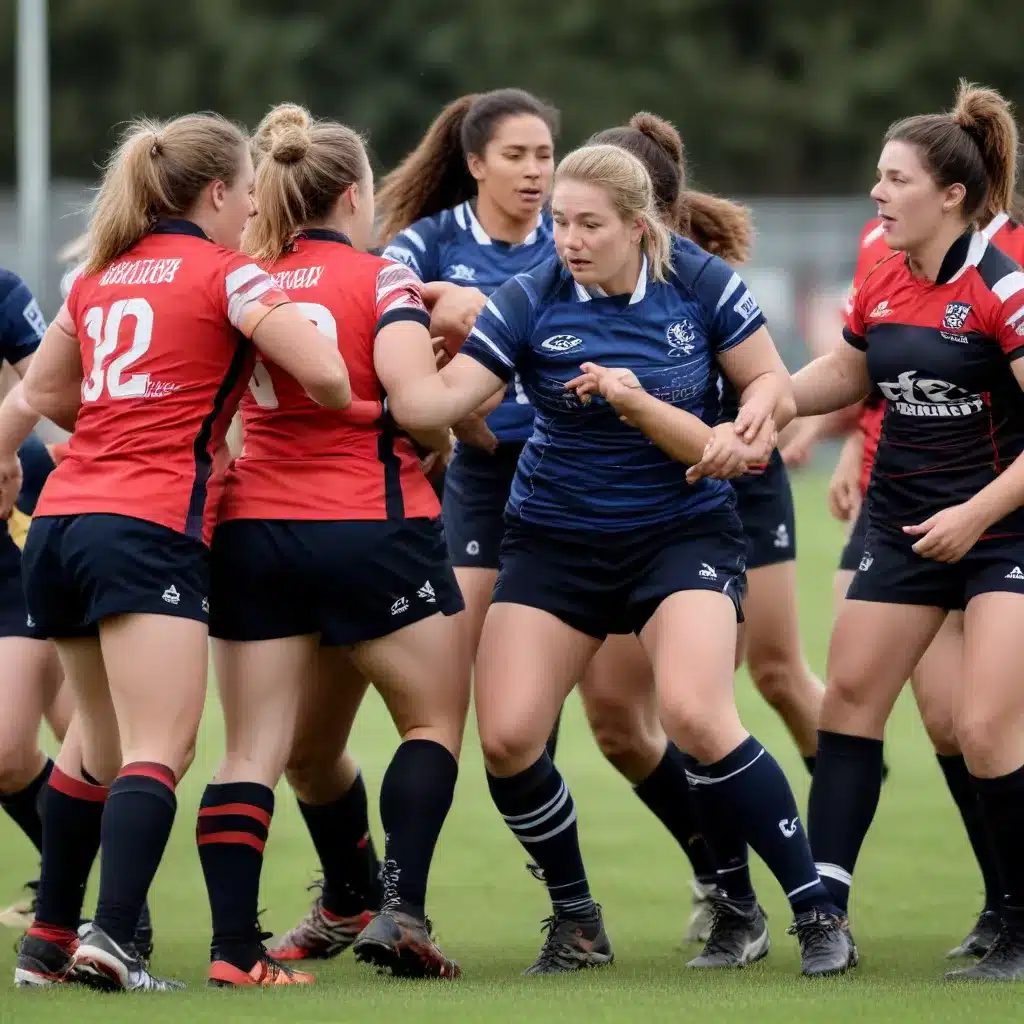
Introduction to Women’s Rugby Clubs
The growth of women’s rugby over the past decade has been nothing short of remarkable. Once a male-dominated sport, women’s rugby has emerged as a thrilling and dynamic discipline, captivating audiences worldwide with its skillful gameplay and unwavering spirit. As the sport continues to evolve, embracing diversity and inclusion within women’s rugby clubs has become paramount to its continued success and expansion.
Women’s rugby clubs serve as the heartbeat of the sport, providing a welcoming environment for players of all backgrounds to come together, hone their skills, and forge unbreakable bonds. These clubs are not merely arenas for athletic prowess; they are vibrant communities that celebrate the diverse tapestry of talent, experiences, and perspectives that each player brings to the field.
Diversity in Women’s Rugby Clubs
Demographic Diversity
Women’s rugby clubs are a testament to the power of diversity, boasting a rich array of participants from various backgrounds. From gender identity to race, ethnicity, age, and socioeconomic status, these clubs have become inclusive havens where players can come together, united by their love for the game.
The presence of transgender, non-binary, and gender-diverse players has been a significant step forward, challenging traditional notions of who can compete in women’s rugby. Clubs that embrace this diversity not only foster a more inclusive environment but also set an inspiring example for the rugby community at large.
Skill and Experience Diversity
Women’s rugby clubs thrive on the diversity of skill and experience levels within their ranks. From seasoned veterans to aspiring beginners, each player brings a unique set of abilities and perspectives that contribute to the team’s overall strength and cohesion.
This diversity of skill sets allows clubs to cultivate a nurturing environment where experienced players can mentor and support those new to the sport. The camaraderie and mutual respect that develop between players of varying abilities are the hallmarks of a truly inclusive club culture.
Inclusive Club Environments
Fostering inclusive club environments is crucial to ensuring that all players, regardless of their background, feel welcomed, valued, and empowered. This means creating a welcoming culture that celebrates diversity, promotes accessibility, and actively works to address any barriers to participation.
Clubs that prioritize inclusivity often develop comprehensive policies and practices that cater to the needs of their diverse membership. From flexible training schedules to specialized equipment and resources, these clubs demonstrate a deep commitment to making the sport accessible and enjoyable for all.
Challenges to Diversity and Inclusion
Societal Biases and Stereotypes
Despite the remarkable progress made in women’s rugby, societal biases and stereotypes continue to pose significant challenges to achieving true diversity and inclusion. Gender stereotypes, in particular, can still linger within the sport, undermining the achievements and capabilities of female athletes.
Moreover, the underrepresentation of marginalized groups, such as racial and ethnic minorities, can perpetuate the perception that women’s rugby is not a welcoming space for all. Overcoming these deep-rooted biases requires a concerted effort from clubs, governing bodies, and the broader rugby community.
Barriers to Participation
Practical barriers to participation can also hinder the diversification of women’s rugby clubs. Financial constraints, transportation logistics, and a lack of accessible facilities may prevent individuals from underrepresented communities from joining the sport.
Addressing these barriers requires creative solutions and strategic partnerships. Clubs must explore ways to provide financial assistance, facilitate transportation, and ensure that their facilities are inclusive and accessible to all.
Fostering Inclusive Cultures
Cultivating inclusive cultures within women’s rugby clubs is an ongoing challenge that requires a multifaceted approach. Addressing exclusion and discrimination, both overt and subtle, is essential to creating an environment where all players feel safe, respected, and empowered to fully participate.
Promoting allyship and support among club members is also crucial. By encouraging players to be advocates for diversity and champions of inclusion, clubs can foster a sense of collective responsibility and actively challenge any instances of bias or intolerance.
Strategies for Embracing Diversity
Recruitment and Outreach
Effective recruitment and outreach strategies are key to diversifying the player base within women’s rugby clubs. This may involve targeted marketing campaigns that highlight the inclusivity of the club, as well as strategic partnerships with local community organizations, schools, and underrepresented groups.
By actively reaching out to and engaging with diverse populations, clubs can break down barriers to entry and create pathways for new players to discover the joys of rugby.
Inclusive Club Policies and Practices
Establishing comprehensive policies and practices that prioritize diversity and inclusion is a fundamental step in creating welcoming environments for all players. This may include implementing non-discrimination policies, providing accommodations for players with diverse needs, and ensuring that club leadership and decision-making processes are representative of the broader community.
By embedding inclusion into the very fabric of the club, women’s rugby organizations can send a clear message that they are committed to fostering a culture of belonging and respect.
Mentorship and Leadership Development
Empowering underrepresented players to take on leadership roles within the club can be a powerful catalyst for change. Mentorship programs that pair experienced players with those new to the sport, or from underrepresented backgrounds, can provide invaluable guidance, support, and inspiration.
Additionally, actively encouraging and supporting diverse individuals to pursue coaching and administrative positions within the club can help to challenge traditional power structures and create more inclusive decision-making processes.
Building Inclusive Communities
Creating Safe and Welcoming Spaces
Cultivating safe and welcoming spaces within women’s rugby clubs is essential to fostering a truly inclusive environment. This involves promoting the use of inclusive language, addressing any instances of microaggressions or discriminatory behavior, and ensuring that the club’s physical spaces are accessible and accommodating to all.
By prioritizing the physical and emotional safety of all players, clubs can create an atmosphere of trust, respect, and mutual understanding, where diversity is celebrated and everyone can thrive.
Fostering Belonging and Representation
Celebrating diversity and amplifying the voices and stories of underrepresented players can be powerful tools in fostering a deep sense of belonging within women’s rugby clubs. This may involve highlighting the achievements and contributions of players from diverse backgrounds, organizing inclusive events and celebrations, and actively promoting diverse role models and mentors.
By ensuring that all players see themselves reflected in the fabric of the club, a stronger sense of community and collective identity can emerge, further strengthening the club’s commitment to inclusivity.
Continuous Learning and Improvement
Embracing diversity and inclusion within women’s rugby clubs is an ongoing journey, requiring a commitment to continuous learning and improvement. Clubs should regularly engage in training and educational opportunities that address bias, cultural sensitivity, and inclusive practices, ensuring that all members of the community are equipped to foster a more welcoming and equitable environment.
Additionally, actively seeking feedback from players, particularly those from underrepresented groups, can provide invaluable insights and guide the club’s efforts to become more inclusive and responsive to the needs of its diverse membership.
Conclusion: The Power of Diversity in Women’s Rugby
As women’s rugby continues to grow and evolve, embracing diversity and inclusion within our clubs has become paramount to the sport’s long-term success and impact. By creating welcoming environments that celebrate the unique strengths and perspectives of all players, we can unlock the full potential of the women’s game, enhance the overall experience, and inspire positive change that reaches far beyond the field of play.
Through our collective commitment to diversity and inclusion, women’s rugby clubs have the power to become beacons of unity, shattering stereotypes, and paving the way for a more equitable and vibrant future for the sport and its passionate community. As we continue on this journey, let us embrace the transformative power of diversity, for it is the very foundation upon which the thriving future of women’s rugby will be built.