
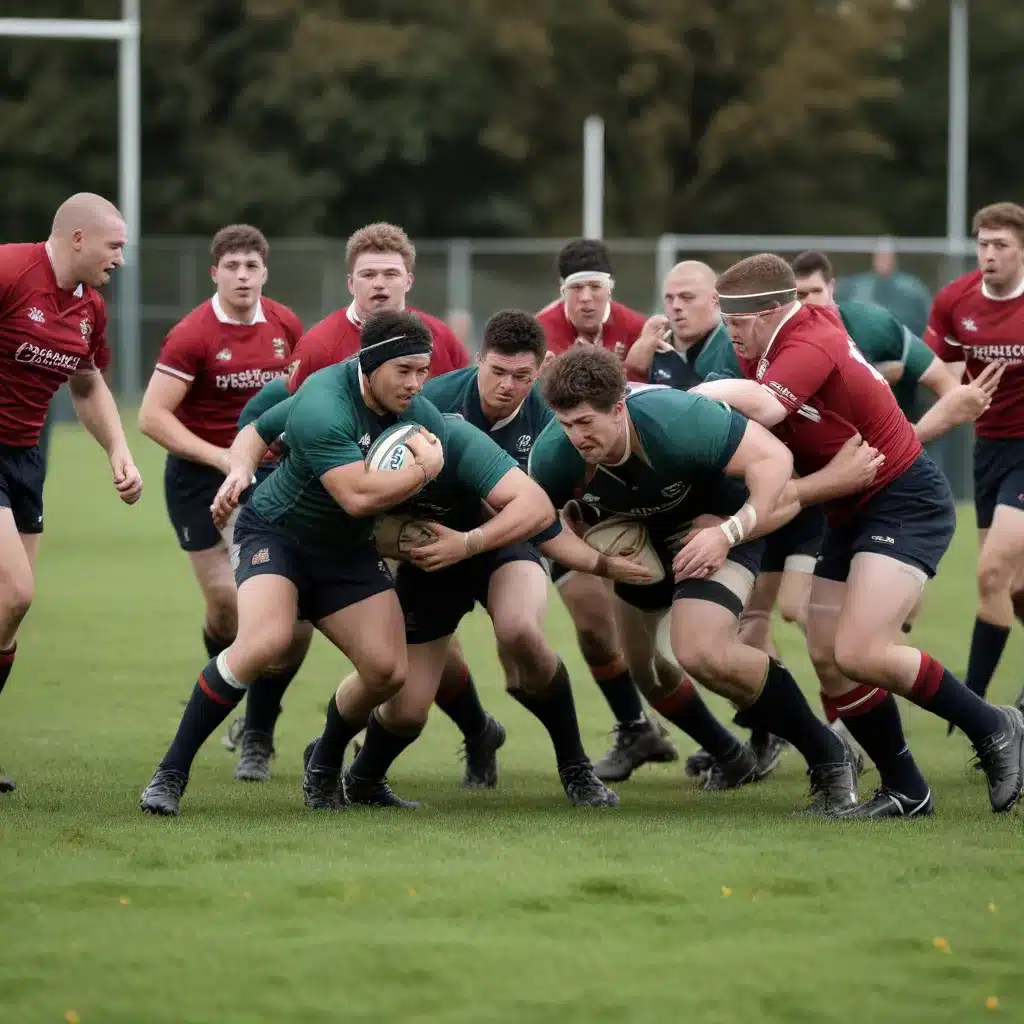
Cultivating Club Culture: Strategies for Building Inclusive and Welcoming Rugby Environments
Defining Inclusive Rugby Club Environments
As a seasoned rugby professional, I’ve had the privilege of witnessing the transformative power of the sport in bringing communities together. However, the true mark of a successful rugby club extends far beyond the scoreboard—it lies in the club’s ability to foster a culture of inclusivity and belonging. An inclusive rugby environment is one where all players, regardless of their background, skill level, or identity, feel welcomed, respected, and empowered to participate and thrive.
Achieving this level of inclusivity requires a multi-faceted approach that goes beyond simply recruiting a diverse player base. It involves deliberately cultivating an atmosphere where everyone feels a genuine sense of community, where individuality is celebrated, and where the club’s values of camaraderie, respect, and personal growth are woven into every aspect of the club’s operations.
Overcoming Barriers to Inclusive Rugby Participation
One of the primary challenges in building inclusive rugby clubs is addressing the barriers that can often prevent underrepresented groups from feeling welcome or encouraged to get involved. These barriers can range from a lack of visible role models and mentors, to financial constraints, to deeply-rooted cultural perceptions about who “belongs” in the sport.
To overcome these barriers, rugby clubs must be proactive in reaching out to diverse communities, actively dismantling stereotypes, and creating pathways for participation that are accessible and supportive. This might involve partnering with local schools, community organizations, or youth development programs to introduce the sport to new audiences, or implementing financial assistance and equipment-sharing initiatives to ensure cost is not a prohibitive factor.
Fostering a Welcoming Club Community
At the heart of an inclusive rugby club is a vibrant and welcoming community, where camaraderie, mutual respect, and a shared passion for the sport are the driving forces. By intentionally cultivating this sense of community, clubs can create an environment where all members, from the newest recruit to the seasoned veteran, feel a genuine sense of belonging.
One way to foster this community-centric approach is to encourage social interaction and team-building activities, both on and off the pitch. This might include post-match social events, family days, or volunteer opportunities that bring the entire club together. Clubs can also leverage social media and other communication channels to regularly highlight the diverse achievements, experiences, and perspectives of their members, reinforcing the message that everyone has a valued role to play.
Embracing Diversity and Representation
Inclusive rugby clubs understand that diversity is a strength, not a weakness. By actively embracing and celebrating the unique backgrounds, identities, and perspectives of their members, clubs can create an environment where everyone feels seen, heard, and empowered to contribute.
This commitment to diversity should be reflected not only in the player roster, but also in the club’s leadership, coaching staff, and volunteer base. By ensuring that diverse voices are represented at all levels of the organization, clubs can foster a culture of collaborative decision-making and ensure that the needs and experiences of underrepresented groups are being taken into account.
Developing Inclusive Leadership and Governance
Inclusive leadership and governance are essential components of building welcoming rugby environments. Club executives, board members, and other decision-makers must be intentional about incorporating inclusive practices into the club’s policies, procedures, and strategic planning.
This might involve implementing formal diversity and inclusion initiatives, such as establishing an equity committee or developing inclusive recruitment and hiring processes. It could also mean providing ongoing training and education for club leaders and volunteers on topics like unconscious bias, allyship, and conflict resolution.
By prioritizing inclusive leadership and governance, rugby clubs can ensure that their values of inclusivity and belonging are consistently upheld and reflected in all aspects of the club’s operations.
Nurturing a Supportive Club Culture
Ultimately, the success of an inclusive rugby club lies in its ability to nurture a supportive and empowering culture that permeates every level of the organization. This culture should be grounded in the club’s core values of respect, collaboration, and personal growth, and should be actively promoted and reinforced through the club’s programming, communication, and community engagement efforts.
One way to cultivate this supportive culture is to implement mentorship and peer-to-peer support programs, where experienced players and club members can provide guidance, encouragement, and role modeling to newer or less experienced members. Clubs can also foster a culture of open communication and feedback, where all members feel empowered to share their ideas, concerns, and perspectives without fear of judgment or retribution.
By prioritizing the development of a supportive and inclusive club culture, rugby organizations can create environments where players, coaches, and volunteers alike feel valued, respected, and motivated to contribute to the club’s long-term success.
Leveraging Technology and Digital Platforms
In today’s digital age, rugby clubs can also leverage technology and online platforms to enhance their inclusivity and community-building efforts. From maintaining an accessible and multilingual website to utilizing social media to amplify diverse voices and perspectives, clubs can use digital tools to expand their reach, foster greater engagement, and create a more connected and inclusive experience for all members.
For example, clubs can use their social media channels to showcase the diverse achievements and experiences of their players, coaches, and volunteers, or to promote inclusive events and initiatives. They can also leverage online communication platforms to facilitate virtual team-building activities, coach-player mentorship sessions, or remote participation opportunities for members who may face physical or geographical barriers to in-person involvement.
By embracing digital technologies and platforms, rugby clubs can further strengthen their inclusive practices and ensure that their commitment to diversity and belonging is felt and celebrated throughout their entire community.
Conclusion: Building a Lasting Legacy of Inclusive Rugby
Cultivating an inclusive and welcoming rugby club culture is not a one-time task, but rather an ongoing journey of continuous learning, adaptation, and commitment. By consistently prioritizing inclusivity, embracing diversity, and nurturing a supportive club environment, rugby organizations can create lasting legacies that empower players, coaches, and community members alike to thrive and reach their full potential.
As a seasoned rugby professional, I’ve seen firsthand the transformative power of inclusive club cultures. When players feel truly welcomed, respected, and valued, they are empowered to push the boundaries of their own abilities, forge lasting connections, and become active ambassadors for the sport. By embracing this inclusive approach, rugby clubs can not only strengthen their own organizations, but also contribute to the broader growth and vitality of the rugby community as a whole.
So, I encourage all rugby clubs, regardless of their size or level of play, to embark on this journey of cultivating inclusive and welcoming environments. The rewards, both on and off the pitch, will be immeasurable.