
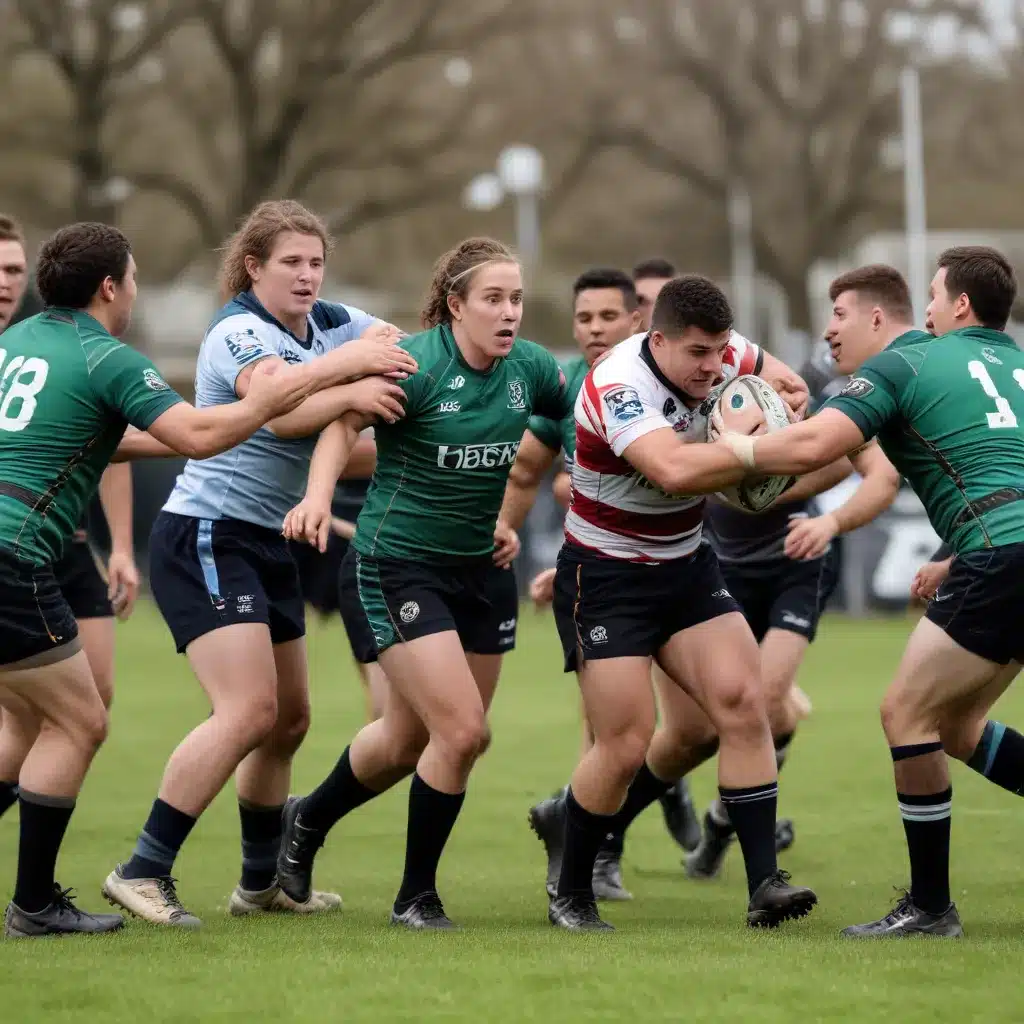
Rugby Clubs as Hubs of Community Engagement
As a seasoned rugby professional, I’ve had the privilege of witnessing firsthand the transformative power of rugby clubs within their local communities. Far beyond simply serving as venues for athletic competition, these grassroots organizations have evolved into dynamic hubs of engagement, serving as catalysts for community cohesion, youth development, and the promotion of healthy lifestyles.
The Role of Rugby Clubs in Local Communities
At the heart of a rugby club’s purpose lies a deep-rooted commitment to fostering grassroots participation in the sport. By lowering the barriers to entry and creating inclusive environments, these clubs open the doors to individuals of all backgrounds, skill levels, and ages, inviting them to discover the joys and camaraderie of rugby.
“The true strength of a rugby club lies in its ability to bring people together, regardless of their differences,” notes Jack, the head coach at Aberdeenshire RFC. “We’ve seen firsthand how the sport can transcend boundaries and unite a community, forging lasting connections and a shared sense of identity.”
Promoting Inclusive Environments
Inclusivity is a cornerstone of the rugby club ethos, and clubs across the region have made concerted efforts to ensure that their doors are open to all. From dedicated youth development programs to initiatives that cater to women’s and adaptive rugby, these organizations are actively breaking down the traditional barriers that have long excluded certain demographics from the sport.
“When a young player first steps onto our pitch, we want them to feel a sense of belonging – that this is their space, their community,” explains Sarah, the youth development coordinator at Aberdeenshire RFC. “By fostering an environment of acceptance and mutual support, we empower our players to not only excel on the field but to also cultivate lifelong friendships and a deep appreciation for the sport.”
Community Partnerships and Outreach
Rugby clubs have long recognized the power of collaboration, forging strong partnerships with local businesses, organizations, and community groups to amplify their impact and solidify their place as vital community hubs.
Local Collaborations and Sponsorships
“Our local business partners are more than just sponsors – they’re integral members of our community,” says David, the club president of Aberdeenshire RFC. “By aligning with organizations that share our values and vision, we’re able to leverage our collective resources to deliver meaningful programs and support charitable causes that resonate with the people we serve.”
These mutually beneficial partnerships often extend beyond financial contributions, with businesses lending their expertise, volunteering their time, and even hosting club events on their premises. This symbiotic relationship not only secures the financial stability of the club but also strengthens the bonds between rugby and the broader community.
Supporting Charitable Causes
Giving back to the community is a fundamental pillar of rugby club operations, and Aberdeenshire RFC has consistently demonstrated its commitment to this ethos. From hosting fundraising events and drives to partnering with local charities and NGOs, the club has become a reliable and trusted partner in addressing pressing social issues.
“Whether it’s organizing a food drive for the local food bank or raising funds for a children’s hospital, our players and supporters are always eager to lend a hand,” shares Emma, the club’s community outreach coordinator. “These initiatives not only make a tangible difference in people’s lives but also instill a sense of purpose and civic pride within our membership.”
Youth Development and Sports Education
One of the most pivotal roles that rugby clubs play within their communities is that of nurturing the next generation of athletes and leaders. Through comprehensive youth development programs and sports education initiatives, these organizations are shaping the lives of young people, both on and off the field.
Nurturing Young Rugby Players
“When a child first picks up a rugby ball, it’s not just about teaching them the fundamentals of the game,” explains Sarah, the youth development coordinator at Aberdeenshire RFC. “It’s about instilling in them the values of teamwork, discipline, and resilience – qualities that will serve them well, both on the pitch and in their daily lives.”
From skills clinics and coaching sessions to youth tournaments and festivals, Aberdeenshire RFC’s youth development initiatives provide a well-rounded, holistic approach to player development. By fostering a supportive and encouraging environment, the club ensures that its young athletes not only hone their technical abilities but also develop the confidence and character required to thrive.
Extracurricular Activities and Sports Education
In addition to their core rugby programming, many clubs have expanded their offerings to include a diverse array of extracurricular activities and sports education initiatives. From after-school tutoring and life skills workshops to outdoor adventure programs and nutrition seminars, these clubs are working to address the multifaceted needs of their young participants.
“It’s not just about teaching them how to pass a rugby ball or tackle an opponent,” says Jack, the head coach at Aberdeenshire RFC. “It’s about empowering these young people to become well-rounded, thoughtful individuals who are equipped to navigate the challenges of the 21st century. By offering a comprehensive suite of educational and personal development opportunities, we’re helping to shape the leaders of tomorrow.”
Facilities Management and Event Hosting
Rugby clubs are not only hubs of community engagement but also the stewards of invaluable local resources – the grounds, facilities, and infrastructure that serve as the epicenter of their activities. The effective management and utilization of these assets are essential to the clubs’ long-term sustainability and ability to serve their communities.
Maintaining Club Grounds and Infrastructure
“As the caretakers of our club’s grounds and facilities, we take great pride in ensuring that these spaces are well-maintained and accessible to everyone in the community,” shares David, the club president of Aberdeenshire RFC. “From regularly tending to the playing fields to upgrading our clubhouse amenities, we’re constantly investing in the upkeep and improvement of our physical assets.”
These efforts not only preserve the integrity of the club’s infrastructure but also demonstrate a commitment to providing a safe, welcoming, and functional environment for all who engage with the organization. By proactively addressing maintenance and modernization needs, rugby clubs can ensure that their facilities remain a point of community pride and a catalyst for ongoing participation.
Hosting Tournaments and Festivals
Beyond their day-to-day operations, rugby clubs have become renowned for their ability to host large-scale events that draw members of the community together in celebration of the sport. From youth tournaments and regional championships to family-friendly festivals and cultural celebrations, these organizations leverage their facilities and resources to create unforgettable experiences that strengthen local bonds and generate revenue for the club.
“When we host a major tournament or festival, it’s not just about showcasing our players’ talents,” explains Emma, the community outreach coordinator at Aberdeenshire RFC. “It’s about creating a sense of shared excitement and pride within the community, where people from all walks of life can come together, cheer on their local team, and forge new connections.”
Volunteering and Club Governance
At the heart of any thriving rugby club lies the invaluable contributions of its volunteers – the individuals who selflessly donate their time, expertise, and passion to ensure the club’s continued success and impact within the community.
The Importance of Volunteer Contributions
“Our volunteers are the lifeblood of our organization,” affirms David, the club president of Aberdeenshire RFC. “Whether they’re coaching our youth teams, organizing club events, or maintaining our facilities, their unwavering dedication is what allows us to fulfil our mission and truly serve as a hub of community engagement.”
From the seasoned rugby enthusiast to the newcomer eager to get involved, these volunteers bring a diverse range of skills and perspectives that enrich the club’s operations. By cultivating a culture of shared responsibility and mutual support, rugby clubs empower their members to take an active role in shaping the organization’s future and strengthening its ties to the local community.
Ensuring Effective Club Governance
Alongside the tireless efforts of its volunteers, the long-term sustainability and success of a rugby club hinge on the implementation of robust governance structures and decision-making processes. From establishing clear leadership roles and responsibilities to drafting comprehensive policies and procedures, these clubs must strike a delicate balance between maintaining their grassroots spirit and ensuring the efficient management of their resources.
“Effective club governance is not just about ticking boxes and following rules,” explains Jack, the head coach at Aberdeenshire RFC. “It’s about fostering a culture of transparency, accountability, and shared ownership – one that empowers our members to have a meaningful say in the direction of the club and the ways in which it serves the community.”
Rugby Clubs and Community Identity
At the core of a rugby club’s purpose lies its ability to cultivate a deep sense of local pride and belonging, serving as a unifying force that brings people together and celebrates the unique identity of the communities it serves.
Cultivating Local Pride and Belonging
“When someone dons the colors of our club, they’re not just representing a team – they’re embodying the spirit and values of our community,” shares Emma, the community outreach coordinator at Aberdeenshire RFC. “The jersey, the crest, the chants – these are the tangible symbols that connect our players, supporters, and local residents, fostering a shared sense of identity and pride that transcends the boundaries of the pitch.”
By anchoring themselves firmly within the fabric of their local communities, rugby clubs have become catalysts for social cohesion, creating opportunities for people to come together, forge lasting connections, and celebrate their shared heritage. Whether it’s cheering on the home team at a match or participating in a community event hosted by the club, these experiences reinforce the club’s role as a hub of belonging and community pride.
Promoting Healthy Lifestyles
In addition to their role as community hubs, rugby clubs have also emerged as powerful advocates for healthy living, using the sport as a vehicle to inspire people of all ages to lead active, fulfilling lives.
“Rugby is more than just a game – it’s a way of life,” says Jack, the head coach at Aberdeenshire RFC. “By encouraging physical activity, fostering teamwork and camaraderie, and emphasizing the importance of nutrition and wellness, we’re empowering our members to cultivate lifelong habits that will serve them well, both on and off the field.”
From organizing fitness challenges and nutrition workshops to hosting family-friendly events that promote active recreation, rugby clubs are positioning themselves as vital partners in the pursuit of holistic community well-being. As trusted pillars of their local landscapes, these organizations are uniquely poised to inspire positive behavioral change and champion the transformative power of sport.
The Aberdeenshire RFC community is a shining example of the profound impact that a rugby club can have on its local area. By embracing its role as a hub of engagement, this club has become a beacon of community pride, a catalyst for social connection, and a champion of healthy living – a true testament to the enduring value of rugby as a force for positive change. As we continue to navigate the challenges of the 21st century, the lessons learned from Aberdeenshire RFC and clubs like it will undoubtedly guide the way toward a future where sport and community are inextricably linked.