
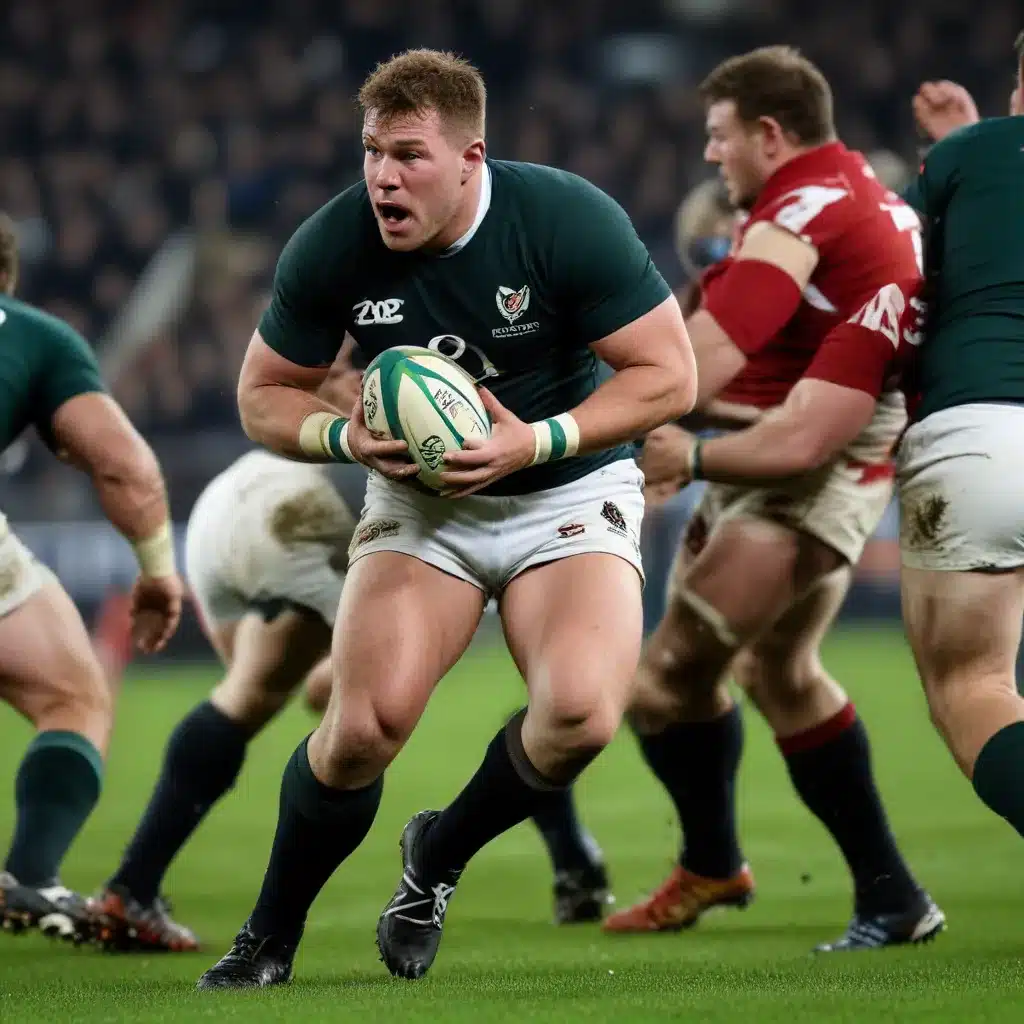
Rugby Backrow Positions
The backrow positions in rugby – openside flanker, number 8, and blindside flanker – are often considered the engine room of the team. While the flamboyant backs and towering locks may capture the spotlight, it is the unsung heroes of the backrow who lay the foundation for success. And within this dynamic trio, the blindside flanker stands out as a unique and vital contributor.
The Blindside Flanker
The blindside flanker is a versatile and pivotal player in the forward pack. Tasked with both defensive and offensive duties, they must be a jack-of-all-trades – vigilant and robust, ready to steal possession, support the scrum, and be a relentless force at the breakdown. Their position on the field allows them to act as a bridge between the forwards and the backs, often being involved in the nitty-gritty of forward play while also possessing the skills to contribute to the backline.
Role and Responsibilities
As the name suggests, the blindside flanker operates on the “blindside” of the scrum, opposite the openside flanker. This positioning gives them a unique vantage point to impact the game. Their primary responsibilities include:
- Providing support and cover in the defensive line
- Disrupting opposition attacks through dominant tackling
- Securing and contesting possession at the breakdown
- Contributing to the driving maul and set-piece
- Carrying the ball into contact and offloading to supporting players
The blindside flanker is often described as the “glue” that holds the backrow together, providing the crucial link between the forwards and backs.
Required Skills and Attributes
To excel in the blindside flanker position, players must possess a diverse skillset and a unique physical profile. Some of the key attributes include:
-
Physicality: Strength, power, and an uncompromising attitude to contact are essential. Blindside flankers must be willing to put their bodies on the line in both attack and defense.
-
Breakdown Mastery: Exceptional jackal skills, body positioning, and the ability to win turnovers are hallmarks of the best blindside flankers. They must be adept at both securing their own ball and disrupting the opposition’s.
-
Mobility and Agility: While size and strength are important, blindside flankers also need to be nimble and agile, able to cover ground quickly and change direction to support the backline.
-
Rugby IQ: A deep understanding of the game’s tactical and technical elements is crucial. Blindside flankers must be able to read the play, make split-second decisions, and anticipate the opposition’s moves.
-
Workrate and Endurance: The demands of the modern game require blindside flankers to be tireless in their efforts, maintaining a relentless work rate for the full 80 minutes.
Importance of the Blindside Flanker
The blindside flanker’s unique position and skillset make them an invaluable asset to any successful rugby team. They provide the essential link between the forwards and backs, bridging the gap and ensuring the entire unit functions harmoniously. Their ability to impact the game in both attack and defense is unparalleled.
At the breakdown, they are often the first to arrive, disrupting opposition ball and securing possession for their team. In defense, their physicality and work rate are crucial in shutting down opposition attacks. And in attack, their mobility and offloading skills can spark dangerous backline moves.
Perhaps most importantly, the blindside flanker’s selfless and often underappreciated contributions are vital to their team’s overall success. While the flashier players may grab the headlines, the blindside flanker’s relentless efforts and “glue guy” mentality are the foundation upon which championship-winning teams are built.
The Blindside Flanker’s Unique Contributions
Defensive Powerhouse
The blindside flanker’s primary role in defense is to be a physical presence, shutting down opposition attacks and securing possession for their team. Their combination of size, strength, and dogged determination makes them a formidable obstacle for the opposition to overcome.
At the breakdown, blindside flankers are often the first to arrive, using their powerful lower body and exceptional body positioning to contest the ball and win turnovers. Whether it’s ripping the ball from an opponent’s grasp or driving over the top to secure possession, these unsung heroes are the scourge of attacking teams.
In the defensive line, blindside flankers are tasked with making the big hits, driving their opponents back and disrupting the flow of the opposition’s attack. Their relentless tackling ability and sheer physicality can turn the tide of a game, demoralizing the opposition and giving their team the impetus to take control.
Versatile Hybrid
While the blindside flanker’s primary responsibilities may lie in the tough, gritty work of the forward pack, they are also expected to contribute to the backline’s attacking play. This blend of forward and backline skills makes them a unique and invaluable asset on the pitch.
In attack, blindside flankers are often tasked with carrying the ball up the middle of the field, using their size and strength to make hard yards and draw in defenders. But they are also capable of showcasing their deft handling skills, offloading out of the tackle or linking up with the backline to create scoring opportunities.
Their positioning on the field also allows them to act as the link between the forwards and the backs, providing a vital conduit for the team’s attacking play. Blindside flankers can often be found in the wider channels, offering a supporting option or cutting short-side angles to create scoring chances.
This versatility and ability to contribute in multiple facets of the game make the blindside flanker a true hybrid player, capable of making an impact in all areas of the pitch.
Unsung Heroes of the Backrow
Underappreciated Impact
While the flashy running of the outside backs or the towering presence of the locks may capture the imagination of the crowd, the blindside flanker’s unsung contributions are often overlooked. Their hard-nosed, selfless work in the trenches rarely garners the same level of attention or praise as their more glamorous teammates.
Yet, without the tireless efforts of the blindside flanker, the backrow would be an imbalanced unit, lacking the vital link between the forwards and the backs. Their relentless work at the breakdown, their bone-crunching tackles, and their ability to make the hard yards when the team needs it most are the foundations upon which championship-winning teams are built.
Recognizing the Blindside Flanker
It’s high time we shone a spotlight on the unsung heroes of the backrow – the blindside flankers who toil in the shadows, their contributions often overshadowed by the more eye-catching exploits of their teammates. These are the players who embody the true spirit of rugby, putting the team above individual accolades, and sacrificing their own glory to ensure the overall success of the unit.
By recognizing and celebrating the unique skillset and indispensable role of the blindside flanker, we can gain a deeper appreciation for the nuances of the game. These players are the backbone of the team, the glue that holds the backrow together, and their impact on the outcome of a match cannot be overstated.
The Evolution of the Blindside Flanker
Adapting to the Modern Game
As the game of rugby has evolved, so too has the role of the blindside flanker. The demands of the professional era have seen these players adapt and expand their skillsets to meet the changing tactical and strategic needs of the modern game.
Gone are the days when the blindside flanker was solely a hard-hitting, ball-carrying forward. Today’s elite blindside flankers must be masters of their craft, capable of seamlessly transitioning between the grunt work of the forward pack and the creative, expansive play of the backline. They must possess the physicality to dominate the collision area, the mobility to cover the width of the field, and the rugby intelligence to make the right decisions in the heat of battle.
The modern game has placed an increased emphasis on the breakdown, with blindside flankers often the first to arrive and contest for possession. Their jackal skills, body positioning, and sheer determination have become crucial assets in the battle for the ball. Additionally, the rise of the “hybrid” backrow player has seen blindside flankers tasked with expanding their skillset, contributing to both the set-piece and the open play.
Future Trends and Developments
As the sport of rugby continues to evolve, the role of the blindside flanker is likely to become even more vital and specialized. The demands of the modern game will require these players to become true all-rounders, capable of seamlessly transitioning between the core forward responsibilities and the more creative, backline-oriented skills.
We may see the emergence of “super-sized” blindside flankers, combining the physical attributes of a lock with the mobility and technical abilities of a traditional backrow forward. The increasing emphasis on offloading and continuity in attack could also see blindside flankers become more involved in the backline, utilizing their handling skills and spatial awareness to create havoc for the opposition.
Equally, the growth of the game globally may lead to the development of new tactical approaches, with the blindside flanker’s role potentially adapting to meet the specific needs of different playing styles and team structures. As the sport continues to evolve, the blindside flanker’s ability to adapt and excel will be a key factor in determining the success of any top-level rugby team.
Ultimately, the blindside flanker will remain a crucial and indispensable part of the backrow unit, their unique contributions and selfless efforts ensuring the overall success of the team. As the game progresses, these unsung heroes will continue to be the glue that holds the forward pack and backline together, their impact felt in every phase of play.