
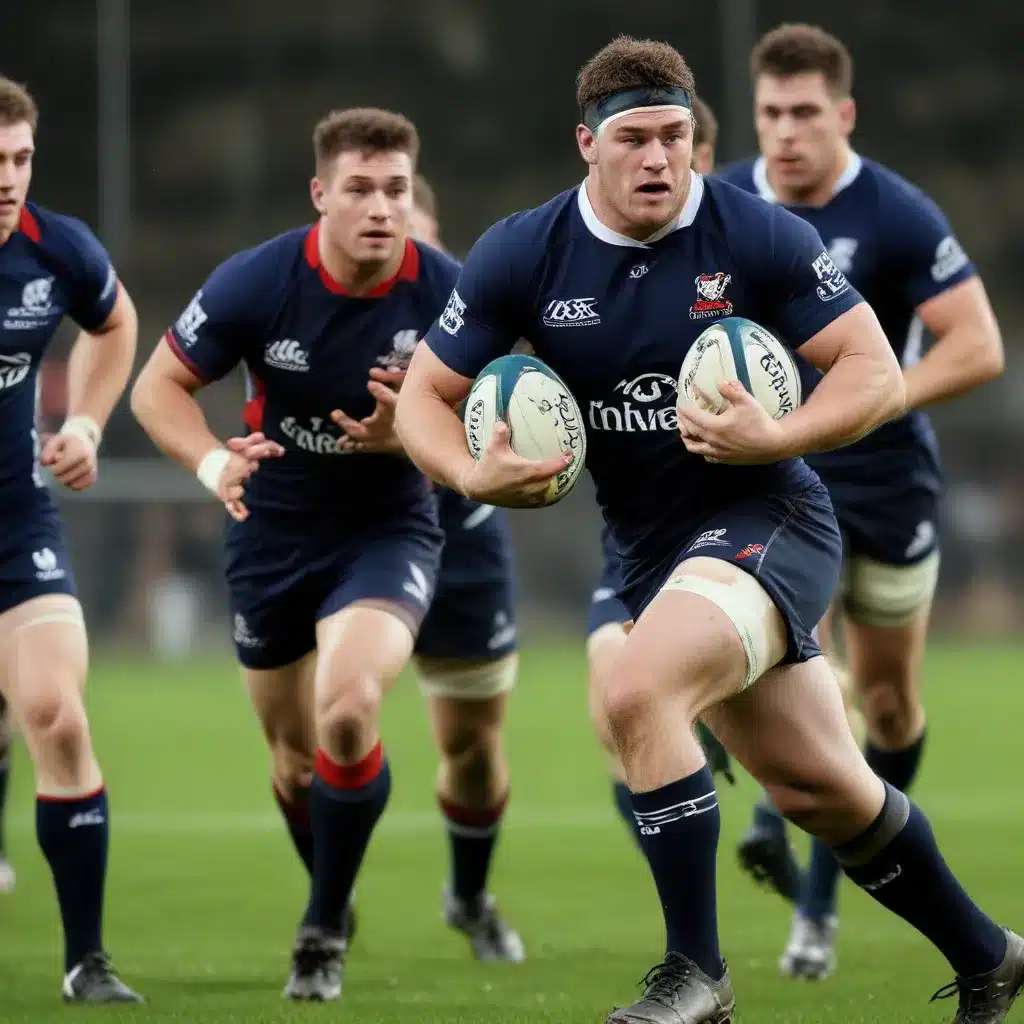
Career Stages in Professional Rugby
For many rugby union players, the journey from grassroots to the professional ranks is a dream come true. However, the reality is that professional careers are often fleeting, with the average length hovering around just 7-8 years. As players progress through the various stages of their careers, they must confront the inevitable – the day when the final whistle is blown, and they must transition into life after rugby.
The emergence and development stage is where young, aspiring players work tirelessly to break into the professional game. They hone their skills, navigate the academy systems, and earn their first senior contracts. This period is marked by excitement, determination, and a singular focus on reaching the top.
Then comes the peak performance years – the prime of a player’s career, when they are at the height of their physical and mental abilities. This is the time when they cement their legacies, win titles, and establish themselves as household names in the sport. However, the rigors of the professional game begin to take a toll, both physically and mentally.
Retirement considerations often come into sharper focus as players approach the latter stages of their careers. Injury concerns, the desire for longevity, and the need to prepare for the next chapter all factor into the decision of when and how to step away from the game. For some, the choice is made for them, as clubs and national teams make the tough call to part ways.
Challenges of Transitioning from Professional Rugby
The transition from the professional rugby environment to life after the game can be a daunting and complex process. Players who have dedicated their lives to the sport often struggle to adapt to the sudden loss of structure, camaraderie, and the adrenaline rush of competition.
The physical toll of a rugby career cannot be overstated. Years of intense training, grueling matches, and the cumulative impact of collisions and injuries can leave players with lasting physical challenges. Dealing with chronic pain, recovery, and the potential for long-term health issues can be a significant hurdle as they look to the future.
The mental and emotional adjustments can be equally demanding. The identity shift from being a professional athlete to a “regular” person can be jarring. Players may grapple with a loss of purpose, a sense of aimlessness, and a lack of the support systems they once had within the rugby community. Navigating this shift in self-perception and finding a new sense of purpose can be a formidable task.
Post-Rugby Career Pathways
For those transitioning out of professional rugby, there are several potential career pathways to explore. Some choose to remain involved in the sport, while others seek to forge entirely new paths.
Continuing in Rugby-Related Roles:
Many former players find fulfillment in coaching and mentoring the next generation of rugby talent. Their intimate knowledge of the game and their ability to connect with players can make them valuable assets in these roles. Others pursue opportunities in sports management, administration, or media and broadcasting, leveraging their deep understanding of the sport and their established networks.
Exploring New Careers:
Some players take the opportunity to embark on entirely new career journeys, drawing upon the transferable skills they have honed through their rugby experiences. Entrepreneurship and business ventures allow them to channel their competitive drive, problem-solving abilities, and leadership qualities into new endeavors. Others pursue education and training, transitioning into fields like healthcare, technology, or education, where their teamwork, communication, and adaptability can thrive.
Preparing for Life After Rugby
Successful transitions from professional rugby often hinge on the proactive development of transferable skills. During their playing careers, players can cultivate leadership, teamwork, communication, and decision-making capabilities that are highly valued in a wide range of industries.
Engaging in continuing education programs, pursuing professional certifications, or undertaking vocational training can also help players prepare for the next chapter. This not only expands their knowledge and skill set but also signals to potential employers their commitment to personal and professional growth.
Support Systems for Retired Rugby Players
To aid players in their transition out of the sport, various player welfare initiatives have been established. Retirement transition programs offer guidance, counseling, and practical support, helping individuals navigate the emotional, financial, and practical challenges they may face. Mental health and wellbeing resources are also crucial, as players learn to manage the psychological impact of leaving the game.
Peer-to-peer networks, such as alumni associations and mentorship programs, can be invaluable. These connections allow former players to share their experiences, offer advice, and build supportive relationships that can ease the transition process. Networking events and gatherings provide opportunities for players to explore new career possibilities and forge meaningful connections beyond the rugby sphere.
As I reflect on my own journey through the rugby ranks, I’m reminded of the critical importance of preparing for life after the game. The camaraderie, the thrill of competition, and the sense of purpose that comes with being a professional athlete are unparalleled. However, the reality is that every player’s time in the spotlight is finite.
The most successful transitions I’ve witnessed have been those where players proactively invested in their personal and professional development, while also leveraging the support systems available to them. They understood that their identity and worth were not solely tied to their rugby careers, but rather to the diverse set of skills and experiences they had cultivated over the years.
The path from professional rugby to life after the game is not always smooth, but with the right mindset, resources, and support, it can be a deeply rewarding and transformative journey. As you navigate this transition, remember that your value extends far beyond the rugby pitch – your story is just beginning.