
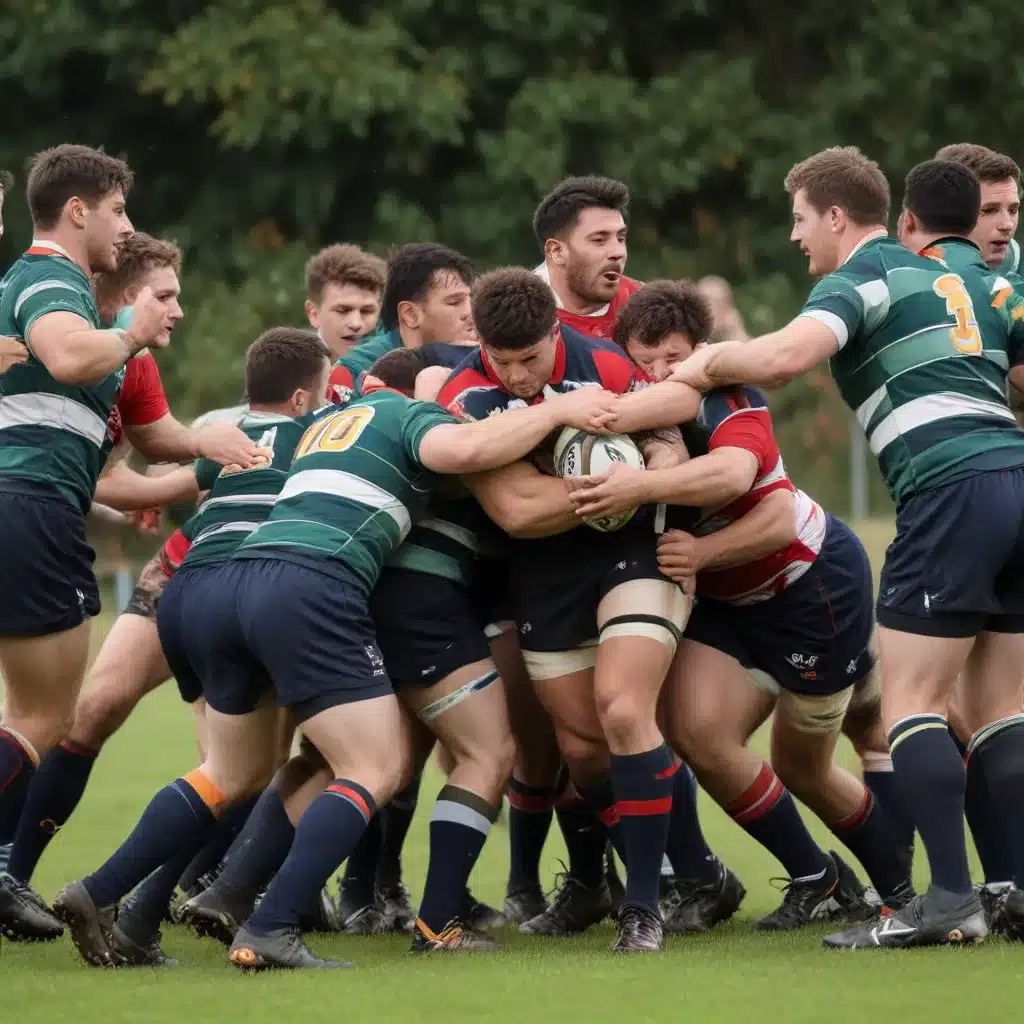
Diverse Rugby Club Membership and Fostering Belonging
Cultivating a Sense of Inclusion
As a seasoned rugby professional with deep experience in club operations, I’ve witnessed firsthand the transformative power of cultivating a sense of belonging and inclusion within a rugby club. It’s not enough to simply have a diverse membership – the true challenge lies in ensuring that every single member, regardless of their background, feels truly welcomed, valued, and empowered to contribute to the team’s success.
One of the key strategies I’ve seen work wonders is actively seeking out new members from underrepresented communities and creating a warm, inviting environment from the very first interaction. This might involve targeted outreach, mentorship programs, or simply making a concerted effort to greet all newcomers with genuine enthusiasm. By taking the time to understand each individual’s needs and concerns, you can tailor the onboarding process to help them feel instantly at home.
Equally important is promoting diverse representation across all facets of the club – from the coaching staff to the leadership team to the starting lineup. When members see people who look like them, share their experiences, and embody their passions, it sends a powerful message: “This is a place where I belong.” Encourage members from marginalized backgrounds to step into leadership roles, share their stories, and inspire others to follow in their footsteps. This not only fosters a more inclusive culture, but also taps into a wellspring of untapped talent and potential.
Community-Building Initiatives
Of course, cultivating a sense of belonging is about more than just expanding the club’s demographics. It’s about creating opportunities for genuine connection, collaboration, and camaraderie. One highly effective approach is to organize regular social events that bring the entire club together in a relaxed, fun-filled setting. Perhaps it’s a monthly potluck where members share dishes that celebrate their cultural heritage, or a team-building exercise that challenges everyone to work together toward a common goal.
Additionally, consider spearheading collaborative projects that allow members to showcase their diverse skills and interests. Maybe it’s a community outreach initiative, where the club partners with local organizations to make a tangible difference. Or perhaps it’s a club-wide fundraiser, where members pool their creativity and resources to support a cause that’s close to their hearts. By working side-by-side, members from all backgrounds can forge meaningful bonds and develop a deep sense of shared purpose.
Effective Communication and Engagement Practices
Fostering Open Dialogue
Of course, cultivating a truly inclusive club culture doesn’t happen overnight. It requires ongoing effort, adaptability, and a willingness to engage in open, honest dialogue. As the club leader, make it a priority to create safe spaces for members to voice their concerns, share their perspectives, and engage in constructive debates.
Encourage members to be vulnerable and transparent, and model this behavior yourself. When sensitive issues arise, resist the urge to gloss over them or shut down the conversation. Instead, lean into the discomfort and facilitate thoughtful discussions that allow everyone to be heard and understood. This not only helps to address pressing challenges, but also demonstrates your commitment to fostering a culture of mutual respect and understanding.
Empowering Rugby Club Members
Alongside open communication, it’s crucial to empower members to take an active role in shaping the club’s direction. Identify emerging leaders and provide them with opportunities to spearhead initiatives, lead training sessions, or represent the club at external events. By entrusting members with meaningful responsibilities, you’re not only tapping into their unique talents and perspectives, but also cultivating a deep sense of ownership and investment in the club’s success.
Additionally, make a concerted effort to recognize and celebrate the contributions of all club members, regardless of their roles or backgrounds. This could take the form of regular shoutouts, performance-based awards, or simply taking the time to express genuine gratitude and appreciation. When members feel seen, heard, and valued, they’re far more likely to remain engaged, motivated, and committed to the club’s collective goals.
Shared Experiences and Strengthening Club Identity
Celebrating Club Traditions
One of the most powerful ways to foster a deep sense of belonging and camaraderie within a rugby club is to celebrate its rich history and cherished traditions. This might involve organizing annual events that honor the club’s cultural heritage, such as a festival celebrating the diverse backgrounds of your members, or a ceremonial ritual that binds the community together.
Importantly, these traditions should be inclusive and adaptable, allowing members to contribute their own unique perspectives and customs. By weaving together the threads of diverse cultural identities, you can create a tapestry of shared experiences that strengthens the club’s collective identity and fosters a profound sense of community.
Collective Participation in Rugby Events
Of course, no discussion of rugby club culture would be complete without acknowledging the transformative power of the sport itself. By encouraging all members to actively participate in training sessions, matches, and competitive tournaments, you can cultivate a tangible sense of team spirit and camaraderie.
Cheer on your teammates from the sidelines, organize pre-game rituals, and celebrate hard-fought victories together. These shared experiences, both on and off the field, have an uncanny ability to transcend individual differences and forge unbreakable bonds. As members work collectively toward a common goal, they’ll develop a deeper appreciation for one another’s strengths, a willingness to support each other through adversity, and a genuine pride in the club’s achievements.
Inclusive Leadership and Mentorship
Supportive Coaching Approaches
At the heart of any successful rugby club lies the coaching staff – individuals who not only possess the technical expertise to hone players’ skills, but also the emotional intelligence to nurture a truly inclusive environment. As a seasoned rugby professional, I’ve seen firsthand the transformative impact of coaching approaches that adapt to the unique needs and learning styles of each individual player.
Rather than adopting a one-size-fits-all approach, effective coaches take the time to get to know their players on a deeper level, understanding their backgrounds, strengths, and areas for growth. They create individualized training plans, provide tailored feedback, and cultivate a supportive, judgment-free atmosphere where everyone feels empowered to take risks and push their limits.
By modeling inclusive, compassionate leadership, these coaches not only help their players excel on the field, but also instill in them a profound sense of belonging and self-worth that extends far beyond the boundaries of the sport.
Peer-to-Peer Mentorship Programs
Complementing the efforts of the coaching staff, peer-to-peer mentorship programs can be a powerful tool for fostering a culture of inclusion and empowerment within a rugby club. By pairing experienced members with newcomers or those from marginalized backgrounds, you can facilitate the exchange of valuable knowledge, skills, and perspectives.
These mentorship relationships provide a safe space for members to share their challenges, seek guidance, and develop a deep sense of camaraderie. They also enable more seasoned players to hone their leadership abilities, while inspiring younger members to envision their own path to success within the club.
Ultimately, by investing in the growth and development of all its members, the club can cultivate a dynamic, supportive community that celebrates diversity, nurtures talent, and propels the team to new heights of achievement.
As a seasoned rugby professional, I’ve witnessed the transformative power of cultivating a truly inclusive and belonging-driven club culture. By embracing strategies that promote diverse representation, facilitate open communication, and celebrate shared experiences, rugby clubs can create environments where every member, regardless of their background, feels empowered to contribute and thrive. It’s a journey that requires ongoing commitment, adaptability, and a genuine passion for the sport and the community it serves – but the rewards, both on and off the field, are immeasurable.
So, if you’re looking to take your rugby club to new heights, I encourage you to embrace these principles and embark on a journey of collective growth and empowerment. The Aberdeenshire RFC community is waiting to welcome you with open arms, and I’m confident that together, we can build something truly special.