
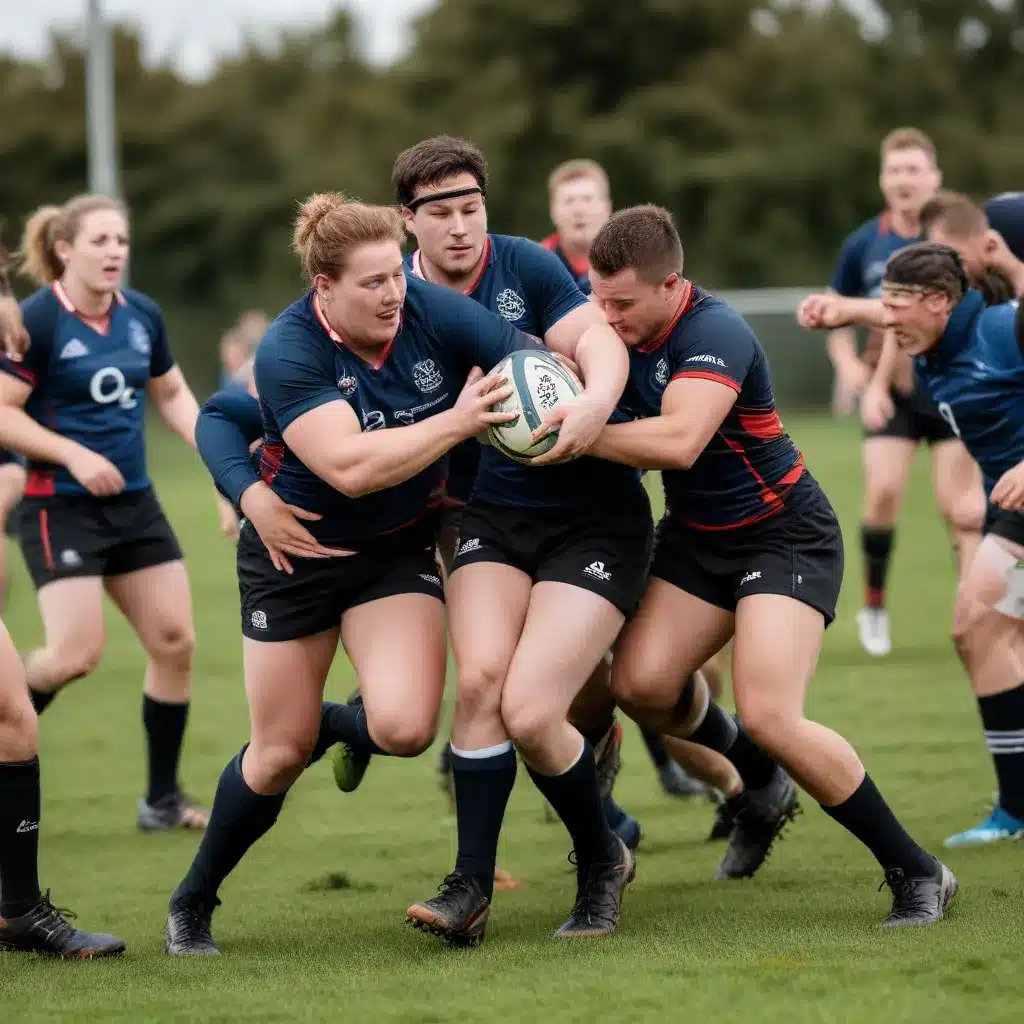
Embracing Neurodiversity in Sport
As a seasoned rugby professional, I’ve witnessed firsthand the transformative power of sport in fostering inclusivity and empowering individuals from all backgrounds. One aspect that has become increasingly important is the embrace of neurodiversity within the rugby community.
Neurodiversity encompasses a range of neurological differences, including Autism Spectrum Disorder (ASD), Attention Deficit Hyperactivity Disorder (ADHD), and various learning disabilities. These exceptional individuals possess unique strengths and perspectives that can enrich the sport of rugby. However, they often face additional challenges in traditional sports settings that fail to cater to their specific needs.
Traditional sports environments can be highly demanding, with rigid structures, complex social dynamics, and overstimulating sensory inputs. For neurodiverse athletes, these conditions can create barriers to participation and hinder their ability to fully engage and thrive. Recognizing this, forward-thinking rugby clubs have begun to explore adaptive sports programs that prioritize inclusivity and create positive experiences for all participants.
Adaptive Rugby: Designing Inclusive Environments
At the heart of these adaptive rugby initiatives is a deep commitment to modifying rules, equipment, and coaching approaches to enhance accessibility and foster a sense of belonging. By thoughtfully addressing the unique needs of neurodiverse individuals, clubs are able to cultivate an environment where they can develop their skills, build confidence, and forge meaningful connections with their peers.
One crucial aspect of adaptive rugby is the implementation of tailored coaching strategies. Coaches who work with neurodiverse athletes understand the importance of clear, concise communication, sensory accommodations, and a flexible, patient approach. They recognize that each individual’s needs may vary, and they adapt their coaching methods accordingly, ensuring that all participants feel empowered and supported.
Additionally, adaptive rugby programs often incorporate collaborative team-building activities that encourage social integration and the development of essential life skills. These activities not only promote camaraderie and a sense of community, but they also help neurodiverse individuals navigate the complexities of social interactions in a supportive and nurturing environment.
Developing Positive Experiences for Neurodiverse Participants
The benefits of adaptive rugby extend far beyond the pitch, as these programs have been instrumental in enhancing the overall well-being and quality of life for neurodiverse individuals. By providing a safe, inclusive space for them to engage in physical activity and social interaction, rugby clubs are empowering these athletes and coaches to thrive.
One of the most significant impacts of adaptive rugby is the boost in self-confidence and self-esteem that participants experience. As they overcome challenges, develop new skills, and receive affirmation from their peers and coaches, neurodiverse individuals begin to recognize their own capabilities and inherent worth. This newfound sense of empowerment can have a profound ripple effect, influencing their personal and professional lives.
Moreover, the sense of belonging and community fostered within adaptive rugby programs can be transformative for neurodiverse individuals. By being surrounded by a supportive network of peers and coaches who understand and celebrate their unique qualities, they are able to forge meaningful connections and feel valued for who they are. This, in turn, can lead to improved mental health, reduced anxiety, and a heightened sense of overall well-being.
Strategies for Inclusive Coaching in Adaptive Rugby
Effective inclusive coaching in adaptive rugby requires a multifaceted approach that considers the diverse needs and strengths of neurodiverse individuals. One crucial aspect is the enhancement of communication and sensory accommodations.
Coaches must be adept at tailoring their feedback and instructions to ensure they are clear, concise, and easily processed by neurodiverse athletes. This may involve the use of visual aids, structured routines, and a patient, step-by-step approach. Additionally, addressing sensory needs, such as providing noise-cancelling headphones or adjusting the intensity of sensory stimuli, can significantly improve the overall experience for neurodiverse participants.
Fostering social integration and teamwork is another key strategy in inclusive coaching. By promoting peer-to-peer mentorship and collaborative team-building activities, coaches can help neurodiverse athletes develop essential social skills and a sense of belonging within the rugby community. These experiences not only enhance their rugby skills but also contribute to their personal growth and overall well-being.
Empowering Neurodiverse Leaders in Adaptive Sports
As the adaptive sports movement continues to gain momentum, it is crucial to empower neurodiverse individuals to take on leadership roles within the rugby community. This can be achieved through dedicated mentorship programs and professional development opportunities that equip them with the necessary skills and confidence to become coaches, administrators, and role models.
By showcasing the success and contributions of neurodiverse individuals in these key positions, rugby clubs can inspire others to follow in their footsteps and challenge the societal perceptions surrounding neurodiversity. This, in turn, can lead to the implementation of more inclusive policies and practices within rugby associations, ensuring that the sport remains accessible and welcoming to all.
The Benefits of Inclusive Rugby Clubs
The transformative impact of inclusive rugby clubs extends far beyond the athletic realm, as these programs have been instrumental in enhancing the mental health and overall well-being of neurodiverse participants.
By fostering a sense of belonging and acceptance, inclusive rugby clubs have been able to boost the self-confidence and self-esteem of neurodiverse individuals. As they navigate the challenges of the sport and experience the thrill of personal progress, they begin to recognize their inherent worth and potential, which can have a profound effect on their lives both on and off the pitch.
Moreover, the social connections and meaningful relationships forged within these inclusive rugby communities have been a vital source of support and empowerment for neurodiverse athletes and coaches. By being surrounded by a network of peers and mentors who understand and celebrate their unique qualities, they are able to find a sense of belonging and acceptance that can be transformative in their personal and professional lives.
As we continue to witness the remarkable transformations happening within inclusive rugby clubs, it’s clear that the embrace of neurodiversity is not only crucial for the sport itself but also for the overall well-being of the individuals who participate. By prioritizing inclusivity and creating positive experiences for all, rugby clubs can become beacons of hope and inspiration, paving the way for a more equitable and compassionate society.
If you’re interested in learning more about Aberdeenshire RFC’s commitment to inclusive rugby, I encourage you to visit our website at aberdeenshirerfc.org.uk to explore our adaptive sports initiatives and discover how you can get involved.