
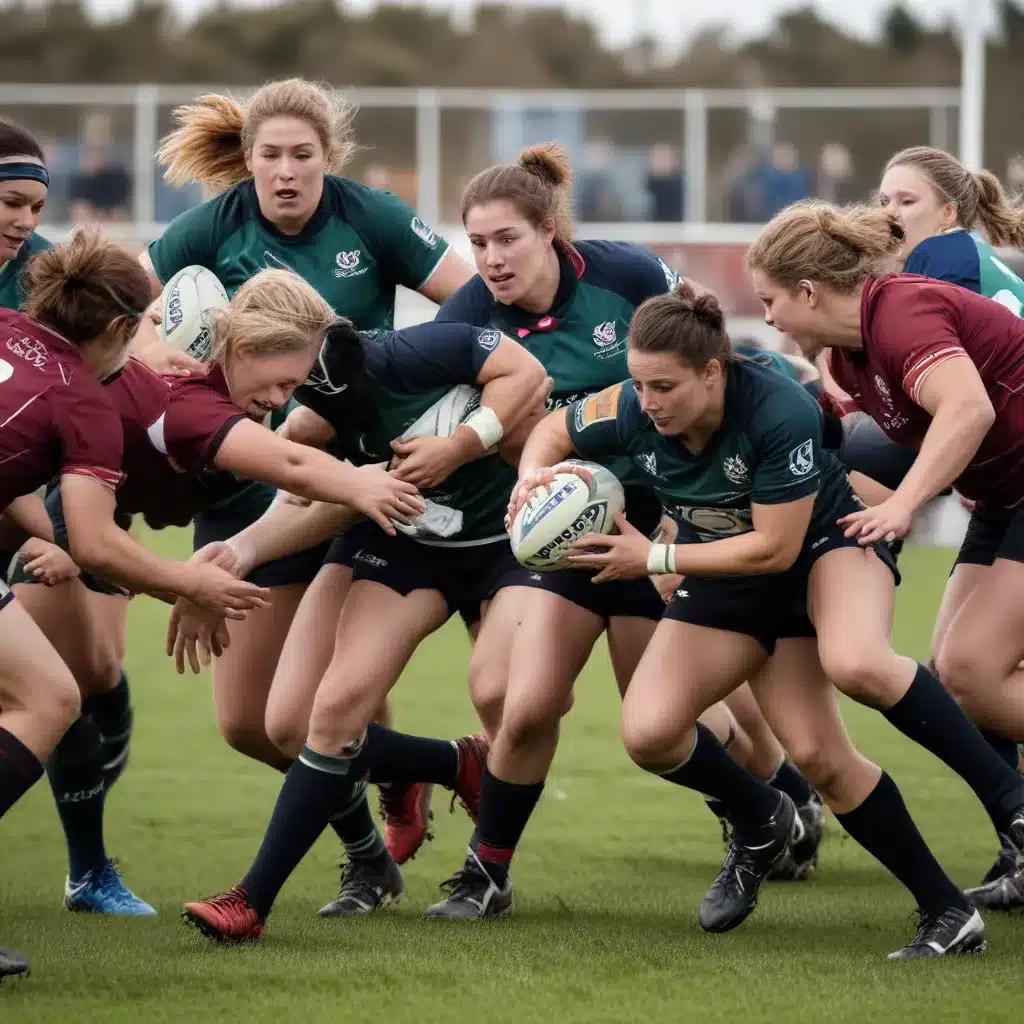
Gender Equality in Rugby: Breaking Down Barriers
The journey toward gender equality in rugby has been a long and challenging one, but the tide is slowly turning. For far too long, women have faced an uphill battle, navigating a sport often dominated by traditional masculine norms and limited opportunities. However, a groundswell of grassroots initiatives is now empowering female athletes, coaches, and leaders, driving meaningful change and paving the way for a more inclusive future.
Societal perceptions and outdated stereotypes have long hindered women’s participation in rugby. The sport has often been perceived as a “man’s game,” with the physical nature of the game fueling misconceptions about women’s capabilities. Overcoming these deeply ingrained biases requires a multi-faceted approach, one that challenges the status quo and redefines the way we view the sport.
Equally concerning is the lack of equitable access to resources and opportunities for women in rugby. From limited funding and infrastructure to the scarcity of female role models and mentors, the barriers to entry and advancement have been formidable. However, a growing network of grassroots organizations is working tirelessly to level the playing field, providing the support and platforms needed for women to thrive.
Grassroots Initiatives: Fostering Inclusivity
At the heart of this transformation are the countless community-based programs that are empowering women and girls to explore the sport of rugby. These initiatives are not only teaching valuable skills and techniques but, more importantly, instilling a sense of confidence, camaraderie, and belonging.
One shining example is ChildFund Rugby’s “Grassroots to Global” forum, which brings together female coaches, players, and advocates from around the world. Through interactive workshops and mentorship opportunities, these women are honing their leadership abilities, sharing best practices, and charting a course for a more inclusive future. ”Grassroots to Global shows what’s possible when we empower girls and women in rugby,” says Megan Knight, Deputy Director at ChildFund Rugby. “The initiative reveals both the challenges they face – from financial barriers to discrimination – and what keeps them engaged: especially the vital role of female coaches and community role models.”
Across the globe, similar efforts are taking root, fueled by a shared vision of creating a more level playing field. In Brazil, for instance, rugby is springing up in regions that had previously been unfamiliar with the sport, thanks to the tireless work of dedicated local champions. And in Cambodia, the first women’s rugby clubs are now emerging, a testament to the power of grassroots initiatives to drive meaningful change.
Women’s Participation in Rugby: Trends and Insights
As these grassroots movements gain momentum, the landscape of women’s rugby is undergoing a significant transformation. The growing visibility and representation of female athletes are shattering longstanding stereotypes and inspiring a new generation of players.
The surge in popularity of women’s rugby, evidenced by the increasing viewership and media coverage of international tournaments like the Rugby World Cup, is a testament to the sport’s rising appeal. ”It’s fantastic to see ChildFund Rugby’s Grassroots to Global series announce over 30 more forums as we enter this crucial period in the lead-up to the Women’s Rugby World Cup 2025,” says World Rugby Chief of Women’s Rugby, Sally Horrox. “What better way to kick-off proceedings than with a special masterclass, in collaboration with Gallagher’s High-Performance Academy, which brought female community leaders in rugby together to connect, learn from each other, and most importantly, have some fun.”
However, the path to true gender parity has not been without its challenges. Persistent barriers, such as the lack of dedicated funding and investment in women’s rugby, continue to hinder the sport’s growth. Additionally, deep-rooted social and cultural norms can still pose significant obstacles, as women navigate the complexities of balancing their passions with societal expectations.
Sport Media and Journalism: Amplifying Women’s Voices
As the landscape of women’s rugby evolves, the role of sport media and journalism becomes increasingly vital. Balanced and inclusive coverage can play a pivotal role in shattering stereotypes, elevating female athletes and coaches, and inspiring the next generation of participants.
However, the gender gap in sports media and journalism remains a persistent challenge. Too often, women’s rugby is relegated to the margins, with disproportionate attention and resources directed toward the men’s game. Bridging this divide requires a concerted effort to amplify the voices of female journalists and to foster a more diverse and representative sports media landscape.
Initiatives like the Grassroots to Global forum are actively addressing this issue, empowering female leaders to share their stories and insights. By connecting these women with mentors and providing platforms for their voices to be heard, these programs are paving the way for a more equitable future in sports media and journalism.
Driving Change: The Impact of Grassroots Initiatives
At the heart of this transformative movement are the grassroots organizations and advocates who refuse to accept the status quo. From ChildFund Rugby’s Grassroots to Global initiative to the countless local champions working tirelessly to expand opportunities for women and girls, these collective efforts are driving tangible change.
These grassroots movements are not just about increasing participation; they are about fostering a culture of inclusivity and empowerment. By providing skill-building workshops, mentorship programs, and safe spaces for women to connect, these initiatives are creating a strong foundation for the future of rugby.
As we look ahead, the key to sustaining this progress lies in the development of long-term strategies and collaborative efforts across all stakeholders. Governing bodies, sponsors, media outlets, and community organizations must work in tandem to address the systemic barriers, enhance funding and resources, and cultivate a more diverse and inclusive ecosystem.
The journey toward gender equality in rugby is far from over, but the tide is turning. With the collective power of grassroots initiatives and the unwavering commitment of female leaders, the sport is poised to become a shining example of what’s possible when we empower women to lead the way.