
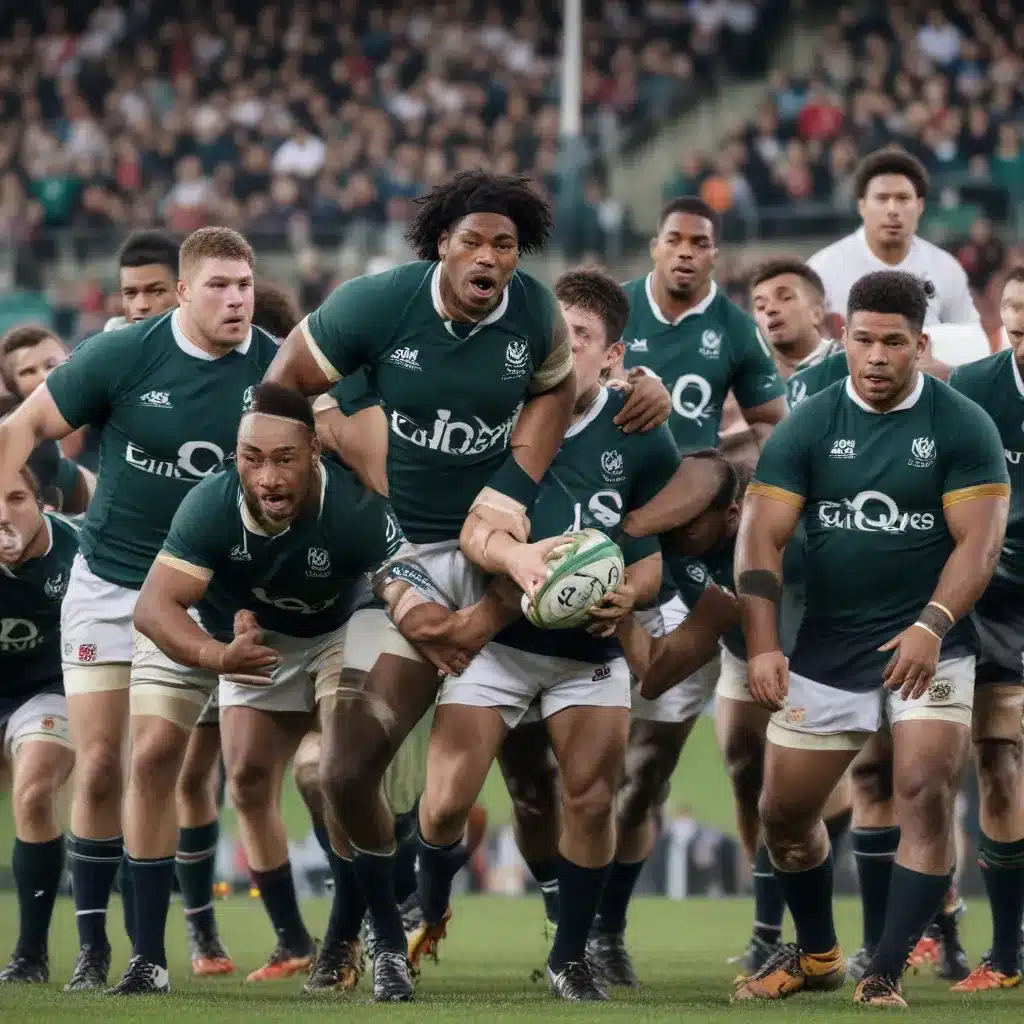
The Evolving Landscape of Player Representation
The world of professional rugby has seen dramatic shifts in recent years, as the landscape of player representation and advocacy has continued to evolve. Gone are the days when players were at the mercy of governing bodies and club executives, with little recourse to fight for their interests. Today, we’ve witnessed the rise of empowered player unions and associations, giving a stronger collective voice to athletes at all levels of the game.
This transformation has been driven by a growing recognition that player welfare, rights, and career progression should be central concerns, not afterthoughts. Top-tier players are now commanding more control over their contracts, commercial opportunities, and overall working conditions. Meanwhile, development pathways and pathways into the professional ranks have become more transparent, allowing a wider pool of talent to emerge.
At the heart of this shift is an acknowledgement that the traditional paternalistic model of rugby administration is no longer tenable. Players are not simply assets to be acquired and traded – they are human beings with complex needs and aspirations that must be respected. Savvy player representatives, whether agents, managers or union officials, have become indispensable in navigating the increasingly complex web of negotiations, sponsorship deals, and regulatory frameworks.
Nowhere is this evolution more apparent than in the growing prominence of player unions and associations. Organizations like the Rugby Players’ Association (RPA) in England, the New Zealand Rugby Players’ Association, and the Rugby Union Players’ Association (RUPA) in Australia have become powerful lobbying forces, representing the collective interests of their members. These groups have secured landmark agreements around areas like salary caps, image rights, and welfare protocols.
Importantly, player unions are also taking on a more expansive social justice role, advocating for marginalized groups within the rugby community. Issues of racial diversity, gender equality, and LGBTQ+ inclusion have risen to the fore, with unions partnering with grassroots initiatives and pushing governing bodies for meaningful change. The fight for a more equitable and representative sport is now a central part of the player empowerment agenda.
Advocating for Marginalized Groups in Rugby
Addressing Racial Diversity and Inclusion
Despite rugby’s global popularity, the sport has long struggled with issues of racial representation and inclusion. Players from minority backgrounds have often faced additional barriers to entry, as well as subtle and overt forms of discrimination both on and off the field.
“The reality is that rugby, at its elite levels, remains disproportionately white,” notes Aberdeenshire RFC club captain Jamal Lowe. “This is a complex challenge that speaks to systemic inequities in access, opportunity and support for young players of color. We’ve seen promising signs of change, but there is still a long way to go.”
Addressing these challenges requires a multi-pronged approach. Player unions have been at the forefront, establishing targeted scholarship programs, mentorship initiatives, and outreach campaigns to attract and develop diverse talent. They have also worked closely with clubs and national unions to implement anti-discrimination policies and inclusive recruitment practices.
Grass-roots organizations like Aberdeenshire RFC have also played a crucial role, using rugby as a vehicle for community engagement and providing pathways for underrepresented groups. By fostering safe and welcoming environments, these community clubs help break down barriers and inspire the next generation of players.
Gender Equality and Women’s Rugby
Closely intertwined with the issue of racial diversity is the ongoing fight for gender equality in rugby. While the women’s game has experienced significant growth and professionalization in recent years, there remains a stark imbalance in resources, visibility, and remuneration compared to the men’s side of the sport.
“The pay gap in rugby is a glaring injustice that we must continue to confront,” asserts Samantha Tui, captain of the Aberdeenshire RFC women’s team. “Not only do our women’s national teams generate less commercial revenue, but they also receive a fraction of the funding and support afforded to their male counterparts. This has to change if we want to foster true equality in our sport.”
Player unions have been at the forefront of the fight for pay parity, negotiating landmark deals to ensure fair compensation for female internationals. They have also pushed for greater media coverage, higher-quality training facilities, and increased pathways for young girls to pursue rugby.
Grassroots initiatives, such as the annual Aberdeenshire RFC Women’s Sevens Tournament, have also played a vital role in raising the profile of the women’s game. By creating opportunities for community engagement and showcasing elite female talent, these events help challenge outdated perceptions and inspire the next generation of players.
The Role of Player Agents and Agencies
Navigating the complex world of player representation has become an increasingly specialized field, with the rise of professional player agents and agencies. These individuals and firms have become indispensable in safeguarding the interests of athletes, both in contract negotiations and in broader issues of career development and off-field opportunities.
“The role of the agent has evolved dramatically in recent years,” explains Aberdeenshire RFC’s director of player affairs, Liam Mackenzie. “It’s no longer just about securing the best financial deal; it’s about ensuring our players have the support, guidance, and platforms to thrive both on and off the pitch.”
Agents must balance a range of competing priorities, from maximizing their client’s earnings potential to advocating for their wellbeing and personal growth. This involves not only negotiating with club owners and league officials, but also forging strategic partnerships with sponsors, media outlets, and community organizations.
Crucially, player agents must also grapple with thorny ethical considerations. Issues of conflict of interest, player exploitation, and the fair distribution of commercial revenue have prompted increased scrutiny of the industry. Agents who prioritize their own financial gain over the holistic interests of their clients risk severe reputational damage and potential regulatory sanctions.
The most effective player representatives, then, are those who adopt a truly holistic, player-centric approach. By fostering trusting relationships, championing their clients’ causes, and navigating the shifting sands of rugby administration, these agents have become indispensable allies in the fight for player empowerment.
Amplifying the Voices of Marginalized Players
Alongside the work of player unions and agents, there has been a growing emphasis on elevating the voices and experiences of marginalized players themselves. In an industry that has historically privileged dominant narratives, providing platforms for underrepresented groups has become a critical component of the advocacy landscape.
“For too long, the stories and perspectives of women, racial minorities, LGBTQ+ individuals, and other marginalized groups have been sidelined or distorted,” reflects Aberdeenshire RFC’s diversity and inclusion officer, Fatima Diallo. “By amplifying their authentic voices, we can challenge entrenched biases, inspire change, and ensure that our sport truly reflects the diversity of our global community.”
Social media has emerged as a powerful tool in this regard, allowing players to share their unfiltered experiences and connect with like-minded allies. Grassroots initiatives, such as the #CallItOut campaign launched by the Rugby Players’ Association, have also encouraged players to speak up about discrimination and harassment, while providing educational resources and support.
Crucially, these advocacy efforts must go beyond mere visibility; they must also translate into tangible policy reforms and structural changes. Player unions have been instrumental in this regard, using their collective bargaining power to enshrine anti-discrimination protections and inclusive practices into league regulations.
At the community level, clubs like Aberdeenshire RFC have also pioneered innovative outreach programs, partnering with local organizations to create welcoming environments and pathways for marginalized groups. By fostering a sense of belonging and empowerment, these initiatives help challenge systemic barriers and inspire the next generation of rugby players and leaders.
Driving Change through Collective Action
Ultimately, the fight for greater player representation and advocacy for marginalized groups cannot be won through the efforts of a few isolated champions. It requires a coordinated, collaborative approach that harnesses the collective power of players, unions, agents, clubs, and governing bodies.
“The most impactful and sustainable changes we’ve seen in rugby have come through united, player-led movements,” observes Aberdeenshire RFC head coach, Liam Buchanan. “When athletes from diverse backgrounds come together, amplify their voices, and demand accountability, that’s when the real transformation begins.”
Examples of such collective action abound, from the RPA’s landmark agreement with the Rugby Football Union (RFU) to improve player welfare, to the global campaign for pay parity in women’s rugby. These initiatives have not only secured tangible policy wins, but have also shifted the cultural landscape of the sport, making it increasingly difficult for governing bodies to ignore the legitimate concerns of players.
“The days of rugby being run solely by a closed circle of administrators are over,” affirms Jamal Lowe. “Players now expect a seat at the table, a say in the decisions that affect their lives and careers. And they’re willing to take bold, coordinated action to ensure their voices are heard.”
As the international rugby landscape continues to evolve, the ability of players to effectively organize, advocate, and drive systemic change will be paramount. By working in concert with a diverse array of stakeholders, the rugby community can forge a more equitable, inclusive, and player-centric future – one that realizes the sport’s unifying power and unlocks its full transformative potential.