
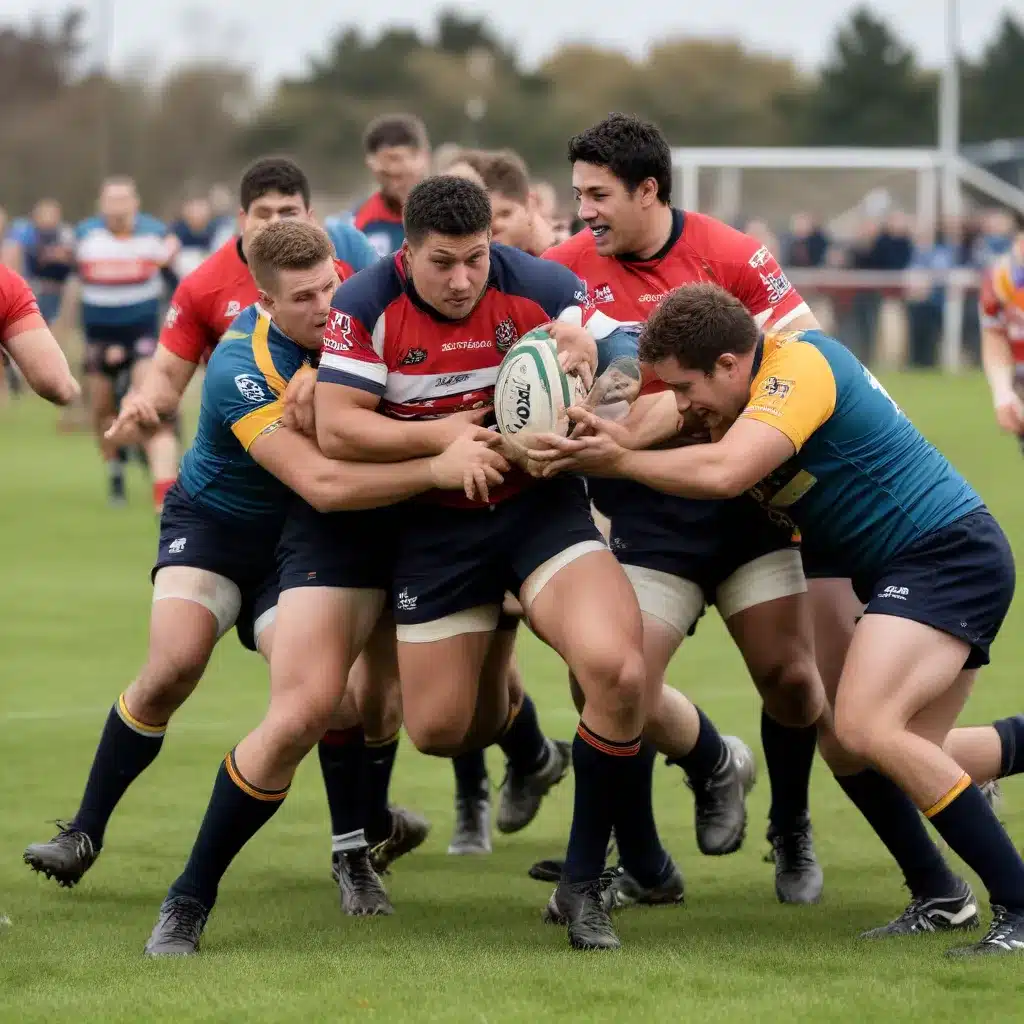
Rugby Clubs as Community Hubs
Rugby clubs have long been recognized as pillars of their local communities, providing not just a space for sports, but also a hub for social, cultural, and educational engagement. At their core, these clubs serve as gathering places where people from all walks of life can come together, forge connections, and celebrate their diverse backgrounds.
As an experienced rugby professional, I’ve had the privilege of witnessing firsthand how these clubs can transcend the boundaries of the pitch, becoming catalysts for cross-cultural exchange and understanding. It’s a remarkable phenomenon, and one that I’m eager to explore further in this article.
The Role of Rugby Clubs in Fostering Cultural Exchange
Rugby, by its very nature, is a sport that brings people together. Players and supporters from different cultures, ethnicities, and socioeconomic backgrounds unite under the common banner of their team or club. This diversity is not just tolerated, but actively celebrated, as clubs work to create an environment of inclusion and belonging.
One of the ways rugby clubs achieve this is by hosting cultural events and celebrations. These events serve as platforms for the community to share their traditions, customs, and heritage. Whether it’s a Lunar New Year festival, a Diwali celebration, or a traditional African drumming performance, these gatherings invite everyone to immerse themselves in the richness of different cultures.
By fostering these cross-cultural interactions, rugby clubs help break down barriers and promote mutual understanding. Attendees have the opportunity to learn about unfamiliar customs, sample diverse cuisines, and engage in meaningful dialogue with people from different backgrounds. This exposure to new perspectives can challenge preconceptions and cultivate empathy, laying the groundwork for stronger, more cohesive communities.
Rugby Clubs and Intercultural Understanding
Beyond cultural celebrations, rugby clubs also play a vital role in cultivating intercultural understanding through their day-to-day operations and community engagement efforts. Many clubs actively reach out to local schools, youth organizations, and immigrant communities, offering programs and initiatives that promote cultural awareness and inclusion.
One such example is the Aberdeenshire RFC’s annual “World Cup of Rugby” event, where teams representing different nationalities compete in a friendly tournament. This not only showcases the global reach of the sport, but also encourages players and spectators to learn about each other’s cultural traditions and customs. By actively engaging with diverse communities, the club fosters a sense of belonging and mutual respect, breaking down stereotypes and promoting cross-cultural understanding.
Furthermore, rugby clubs often serve as hubs for language exchange programs, where members can practice and improve their language skills in a supportive and engaging environment. These programs not only benefit individual participants, but also contribute to the overall cultural literacy of the club and the broader community.
Community Engagement through Rugby Clubs
Beyond their role in cultural exchange, rugby clubs also serve as vital community hubs, strengthening social bonds and fostering a sense of belonging among members and supporters.
Strengthening Social Bonds
One of the most remarkable aspects of rugby clubs is their ability to bring people together, transcending the boundaries of age, gender, and social status. Whether it’s the camaraderie shared between teammates, the friendly banter among supporters, or the intergenerational connections made through club activities, these organizations create a strong sense of community.
Research has shown that participation in sports clubs, such as rugby, can have a significant impact on an individual’s social well-being, fostering meaningful relationships and a sense of belonging. By providing a shared interest and a space for social interaction, rugby clubs become hubs for the development of strong social networks and the strengthening of community ties.
Rugby Clubs as Platforms for Cultural Events
In addition to their role in fostering social bonds, rugby clubs also serve as ideal platforms for hosting a wide range of cultural events and celebrations. From music and dance performances to art exhibitions and culinary showcases, these clubs offer versatile spaces that can be transformed to accommodate diverse cultural expressions.
By opening their doors to the community and actively partnering with local cultural organizations, rugby clubs become vibrant centers of cultural exchange. These events not only celebrate the diversity within the club itself, but also provide opportunities for the wider community to come together, learn from one another, and appreciate the richness of various cultural traditions.
The Impact of Rugby Clubs on Community Integration
The influence of rugby clubs on community integration extends far beyond the boundaries of the sport itself. These organizations play a crucial role in welcoming newcomers, fostering social inclusion, and contributing to the overall development of the communities they serve.
Fostering Social Inclusion
Rugby clubs have a long-standing tradition of being inclusive and welcoming spaces, catering to individuals from all backgrounds and skill levels. By actively promoting diversity and inclusion, these clubs become hubs where newcomers, whether they are recent immigrants, refugees, or individuals from marginalized communities, can find a sense of belonging and acceptance.
Through programs and initiatives that cater to diverse needs and interests, rugby clubs help to bridge cultural divides and facilitate the integration of newcomers into the larger community. Whether it’s offering specialized language classes, organizing cultural exchange events, or providing mentorship and support services, these clubs demonstrate a deep commitment to making their communities more inclusive and equitable.
Rugby Clubs as Agents of Community Transformation
Beyond their role in fostering social inclusion, rugby clubs also have the potential to be agents of broader community transformation. By leveraging their resources, networks, and influence, these organizations can spearhead initiatives that address pressing social and economic challenges.
One such example is the Aberdeenshire RFC’s partnership with local charities and non-profit organizations, where they work together to tackle issues such as homelessness, poverty, and youth unemployment. By mobilizing their members and tapping into their extensive community connections, rugby clubs can amplify the impact of these initiatives, creating a ripple effect that extends far beyond the club’s immediate sphere of influence.
Utilizing Rugby Clubs for Intercultural Learning
Rugby clubs, with their diverse membership and deep community ties, are uniquely positioned to serve as hubs for intercultural learning and exchange. By incorporating educational initiatives and mentorship programs, these organizations can play a vital role in fostering cross-cultural understanding and personal growth.
Educational Initiatives
Many rugby clubs have developed innovative educational programs that cater to the diverse needs and interests of their members and the surrounding community. These initiatives can range from cultural workshops and language exchange sessions to panels and discussions led by experts on topics related to diversity, inclusion, and global citizenship.
These programs not only broaden participants’ knowledge and understanding of different cultures, but also provide opportunities for meaningful dialogue and the exchange of perspectives. By creating a safe and supportive environment, rugby clubs empower individuals to explore their own cultural identities, challenge their preconceptions, and develop a greater appreciation for the richness of cultural diversity.
Mentorship and Skill-Sharing
In addition to educational initiatives, rugby clubs can also leverage their diverse membership to establish mentorship programs that facilitate cross-cultural exchange and personal growth. By pairing experienced members with newcomers or younger participants, these programs create opportunities for intergenerational collaboration, peer-to-peer learning, and the sharing of valuable skills and knowledge.
This approach can be particularly beneficial for individuals from marginalized or underrepresented communities, who may face additional barriers to accessing mentorship and professional development opportunities. By tapping into the expertise and experience within the rugby club, these mentorship programs can help to bridge gaps, foster empowerment, and create pathways for personal and professional success.
As an experienced rugby professional, I’ve seen firsthand how these clubs can serve as powerful catalysts for cultural exchange, community engagement, and intercultural understanding. By embracing their role as hubs for diverse communities, rugby clubs have the potential to make a lasting impact, not just on the pitch, but in the hearts and minds of the people they serve.
So, I invite you to explore the rich tapestry of your local rugby club, to delve into its vibrant cultural events, its community outreach initiatives, and its transformative educational programs. For in doing so, you’ll discover a world of possibilities, where the camaraderie of the sport intersects with the boundless potential of human connection and understanding.