
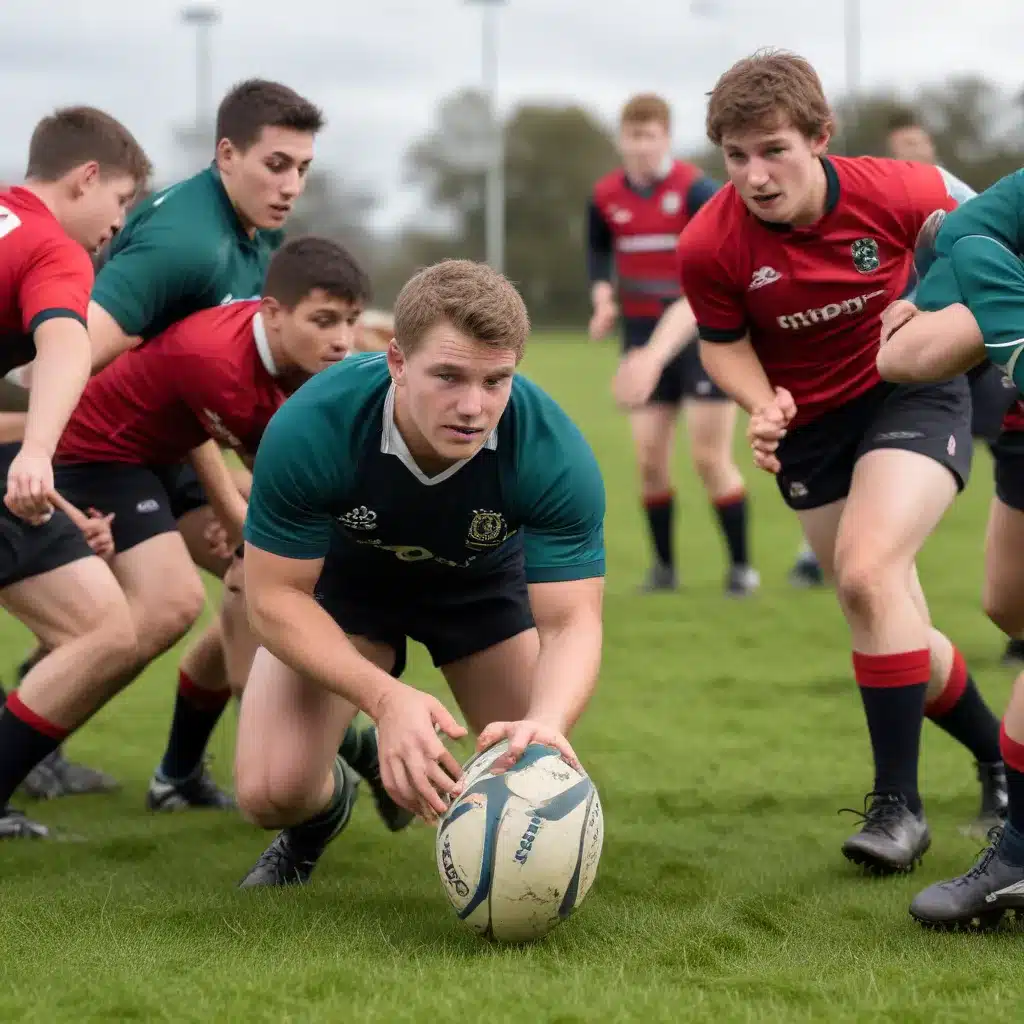
Youth Engagement Strategies in Rugby Clubs
As a seasoned rugby professional, I know firsthand the transformative power of the sport to inspire and empower young athletes. Rugby has an incredible ability to foster teamwork, develop leadership skills, and build confidence in participants of all ages. However, simply providing access to the game is not enough – we must strategically engage youth in a way that keeps them coming back, while also driving meaningful social impact within our communities.
One key strategy is to identify and target specific youth demographics. This could mean partnering with local schools to reach students, connecting with youth organizations and community centers, or even hosting “come try rugby” events that introduce the sport to new participants. The key is to make the experience fun, accessible, and relevant to their interests and needs.
Interactive programs are also essential. Beyond just rugby training, clubs should incorporate educational workshops, mentorship opportunities, and team-building activities that holistically develop young athletes, both on and off the pitch. For example, hosting career panels with successful rugby alumni can open eyes to the diverse pathways the sport can provide. Pairing younger players with veteran mentors fosters invaluable guidance and support. And organizing community service projects allows youth to leverage rugby’s positive influence to drive change.
The most impactful clubs don’t just develop talented players – they cultivate well-rounded individuals prepared to be leaders in their communities. By strategically engaging youth through multi-faceted programming, we can inspire the next generation to not only excel at rugby, but to also make a lasting impact.
Social Enterprise Opportunities for Rugby Clubs
While the primary focus of rugby clubs is undoubtedly on the sport itself, savvy organizations are increasingly exploring social enterprise initiatives as a way to drive sustainable impact. These innovative revenue streams and business models allow clubs to fund their core operations while also supporting important community causes.
One avenue to consider is launching rugby-themed merchandise or equipment lines. Not only can this generate additional income, but it also provides an opportunity to tell the club’s story and connect with supporters in a tangible way. Clubs might design their own jerseys, training gear, or even specialized rugby balls, ensuring that every purchase directly supports the organization’s mission.
Hosting camps, clinics, and coaching workshops is another proven social enterprise model. By leveraging the expertise of club staff and players, these programs can introduce the sport to new participants while also generating revenue. The key is to price these offerings accessibly, ensuring they remain inclusive for youth from all backgrounds.
Crowdfunding campaigns and community fundraising initiatives are also powerful tools. Whether it’s rallying supporters to fund new pitch renovations or securing sponsorships for youth outreach programs, these grassroots efforts can catalyze impressive financial support while also deepening engagement with the local community.
Ultimately, the most successful rugby social enterprises are those that seamlessly blend revenue generation with impactful community initiatives. By creatively leveraging the sport’s popularity and influence, clubs can ensure their long-term sustainability while also driving positive change.
Impact Measurement and Reporting
As rugby clubs expand their social enterprise and community impact efforts, it’s crucial to establish robust impact measurement and reporting frameworks. This not only helps demonstrate the tangible outcomes of these initiatives, but also provides valuable insights to guide future strategies.
When defining key performance indicators (KPIs), it’s important to consider both quantitative and qualitative metrics. Tracking participation rates, volunteer hours, and funds raised are all important numerical markers. But it’s equally vital to assess the deeper social impact, such as improvements in youth confidence, community perceptions of the club, or even changes in local health and wellness indicators.
Regularly collecting data and monitoring progress is the next step. This could involve survey questionnaires, focus groups, or even one-on-one interviews with program participants. Clubs should also leverage digital tools and analytics to provide real-time visibility into their impact.
Finally, communicating these outcomes to stakeholders is critical. Whether it’s producing an annual impact report, sharing updates on the club’s website, or even hosting community events to celebrate achievements, transparent reporting helps build trust, attract new supporters, and guide future decision-making.
By establishing a culture of impact measurement and transparent reporting, rugby clubs can not only enhance the effectiveness of their social initiatives, but also inspire other organizations to leverage the power of sport for good.
Volunteer Coordination and Retention
Volunteers are the lifeblood of any successful rugby club, particularly when it comes to driving impactful community initiatives. But recruiting, onboarding, and retaining these invaluable contributors requires a strategic and thoughtful approach.
Effective volunteer recruitment starts with clearly defining the roles and responsibilities needed to support the club’s goals. This could range from event planning and fundraising to coaching youth teams and maintaining facilities. By outlining these opportunities upfront, clubs can better match volunteers with their specific skills and interests.
A comprehensive onboarding process is also crucial. This might include orientations to familiarize new volunteers with the club’s history, values, and procedures, as well as hands-on training to ensure they feel confident and empowered in their roles. Providing clear expectations, resources, and points of contact can go a long way in setting volunteers up for success.
Ongoing engagement and recognition are key to retaining these valuable contributors. Regularly communicating with volunteers, soliciting their feedback, and celebrating their impact helps foster a strong sense of community and belonging. Clubs should also explore creative ways to reward and appreciate their volunteers, such as exclusive social events, discounts on merchandise, or even special on-field experiences.
Ultimately, an investment in volunteer management translates directly to the club’s ability to drive sustainable, long-term impact. By cultivating a dedicated and engaged volunteer network, rugby organizations can amplify their reach and deepen their connection to the communities they serve.
Funding and Sponsorship for Rugby Clubs
Securing adequate and reliable funding is a perennial challenge for many rugby clubs, especially when it comes to launching and scaling impactful social enterprise and community initiatives. However, by strategically exploring diverse revenue streams and partnership opportunities, organizations can position themselves for long-term success.
Grant funding is an obvious starting point. Clubs should research and stay up-to-date on relevant local, regional, and national grant programs, tailoring their proposals to align with the priorities of each funder. Building relationships with grant-making bodies and highlighting the club’s proven track record of impact can also give applications a competitive edge.
Corporate sponsorships represent another valuable funding avenue. By identifying businesses and brands that share the club’s values and vision, mutually beneficial partnerships can be forged. Sponsors might provide financial support, in-kind donations, or even volunteer assistance – all in exchange for marketing and branding opportunities.
Crowdfunding campaigns are also an increasingly popular way for rugby clubs to garner grassroots financial support. Whether it’s funding a new youth outreach program or renovating aging facilities, these online fundraising drives leverage the power of social networks to rally the community around a common cause.
Underpinning all of these efforts should be a focus on storytelling and impact communication. By clearly articulating the club’s mission, highlighting its successes, and demonstrating the tangible benefits it provides to the community, organizations are better positioned to secure the resources needed to drive sustainable change.
Community Outreach and Collaboration
At the heart of any impactful rugby club lies a deep commitment to the local community. By fostering genuine partnerships and collaborations, organizations can leverage the sport’s positive influence to address pressing social and environmental issues.
Identifying and connecting with relevant community organizations is a crucial first step. This might include youth development nonprofits, educational institutions, social service providers, or even other sports clubs. By aligning on shared goals and complementary capabilities, these partnerships can lead to innovative, cross-pollinated initiatives.
Hosting community events and open houses is another effective way to engage local stakeholders. Whether it’s rugby skills clinics, family fun days, or volunteer work parties, these touchpoints allow the club to showcase its offerings, gather feedback, and strengthen its rapport with residents.
Ultimately, the most successful rugby clubs are those that are truly embedded within their communities. By actively listening, responding to local needs, and leveraging rugby’s unique ability to bring people together, organizations can harness the sport’s power to drive positive, lasting change.
As a seasoned rugby professional, I’ve seen firsthand the incredible potential that our sport holds to uplift youth and transform communities. By strategically engaging young athletes, exploring innovative social enterprise models, measuring and communicating our impact, cultivating dedicated volunteer networks, and deepening community collaborations, rugby clubs can inspire the next generation of players, leaders, and changemakers. It’s a responsibility we must embrace wholeheartedly, for the betterment of our sport, our communities, and our world.