
Neurodiversity and the Sports Landscape
As a seasoned rugby professional, I’ve seen firsthand the tremendous benefits that sports can provide for individuals of all abilities. However, the sports world has often fallen short in truly embracing neurodiversity and ensuring that athletes with conditions like autism spectrum disorder, ADHD, and dyslexia are welcomed, understood, and supported.
Understanding neurodevelopmental conditions is the first step towards creating a more inclusive environment. Autism spectrum disorder, for instance, can present challenges in social interaction, communication, and sensory processing – all of which can impact an athlete’s experience in a team sport like rugby. Similarly, ADHD may manifest as difficulty with focus, impulse control, and organizational skills, while dyslexia can make it harder for an athlete to process written information or follow complex instructions.
Sadly, these neurodevelopmental conditions are often misunderstood, leading to stigma, misconceptions, and significant barriers to sports participation. Many neurodiverse individuals face inaccessible environments, a lack of accommodations, and a sense of not belonging, which can deter them from engaging in physical activity and team sports altogether.
Rugby Clubs Leading the Charge
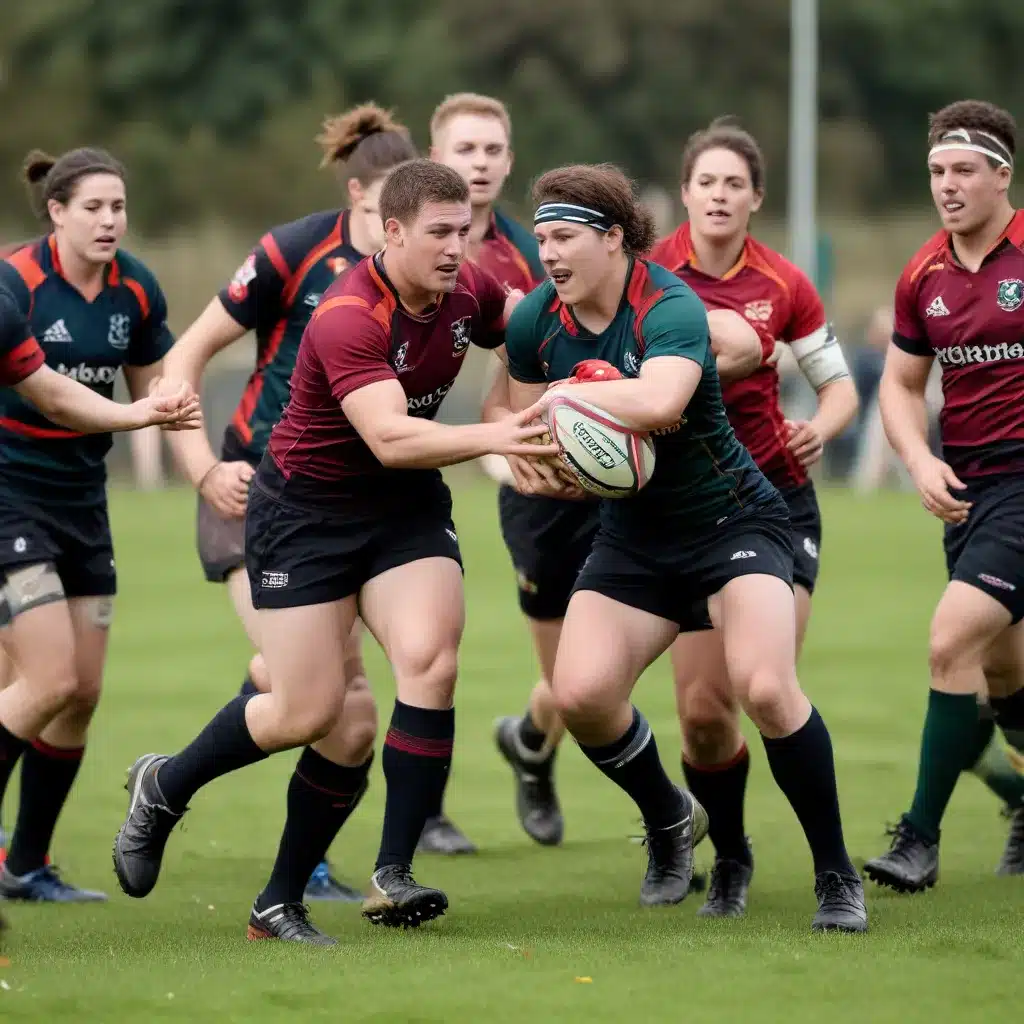
Fortunately, there are rugby clubs across the globe that are taking proactive steps to embrace neurodiversity and foster positive experiences for all their athletes. These clubs recognize that by creating an inclusive environment, they can not only support the unique needs of neurodiverse individuals but also unlock the incredible potential that diversity brings to the sport.
Inclusive Coaching Practices
At the heart of this inclusivity are the coaches, who play a vital role in setting the tone and ensuring that every athlete feels valued and supported. Savvy rugby coaches have learned to adapt their training methods, communication styles, and overall approach to cater to the diverse needs of their athletes.
For example, some coaches might use visual aids, such as diagrams or video demonstrations, to help neurodiverse athletes better understand tactical plays or skill development. Others prioritize clear, concise instructions and allow for more time to process information. Fostering open communication, actively listening to athlete feedback, and being patient and understanding are also key ingredients in creating an environment where neurodiverse individuals can thrive.
Notably, these inclusive coaching practices don’t just benefit the neurodiverse athletes – they can also enhance the overall team dynamic and improve the performance of all participants. By promoting social skill development, emotional regulation, and a sense of belonging, coaches are empowering their athletes to excel both on and off the field.
Accessible Environments
In addition to tailored coaching methods, leading rugby clubs are also ensuring that their facilities and equipment are accessible to individuals with various neurodevelopmental conditions. This might include creating sensory-friendly spaces, offering flexible schedules to accommodate different needs, and providing specialized or adaptive gear to enhance the participation experience.
For example, some clubs have designated quiet rooms or areas with reduced stimuli, allowing neurodiverse athletes to take breaks and recharge as needed. Others have implemented flexible training schedules, recognizing that a rigid timetable may not work for everyone. And by investing in inclusive equipment, such as weighted balls or specialized grips, these clubs are demonstrating their commitment to making rugby accessible to all.
Nurturing a Sense of Belonging
Ultimately, the most impactful inclusive initiatives go beyond just accommodations – they foster a genuine sense of belonging and community for neurodiverse athletes. By empowering these individuals and celebrating their unique strengths, rugby clubs are creating an environment where everyone can thrive.
Empowering Neurodiverse Athletes
One powerful way that rugby clubs are nurturing a sense of belonging is by implementing tailored support systems and peer mentorship programs. These initiatives pair neurodiverse athletes with experienced teammates or coaches who can provide guidance, encouragement, and a listening ear. This not only helps the neurodiverse athletes navigate the sport but also strengthens the overall team dynamic and camaraderie.
Additionally, these clubs make a concerted effort to recognize and celebrate the achievements of their neurodiverse athletes, whether it’s mastering a new skill, overcoming a personal challenge, or contributing to the team’s success. By shining a spotlight on these accomplishments, they are instilling a deep sense of pride and self-confidence in the athletes, while also inspiring their peers and the broader community.
Inclusive Club Culture
To truly create a lasting impact, leading rugby clubs are also working to embed inclusivity into the very fabric of their organization. This might involve developing comprehensive diversity and inclusion policies, providing ongoing education and training for coaches and staff, and actively engaging the local community to promote awareness and understanding of neurodiversity.
Importantly, these clubs recognize the critical role that mental health plays in the overall well-being of their athletes, neurodiverse or not. By destigmatizing conversations around mental health, offering support resources, and fostering a culture of openness and empathy, they are creating an environment where everyone feels safe, heard, and valued.
The Impact of Inclusivity
The transformative impact of these inclusive initiatives is evident in the enhanced participation, engagement, and overall well-being of the neurodiverse athletes. By creating an environment that celebrates diversity and empowers individuals of all abilities, these rugby clubs are not only enriching the lives of their athletes but also setting a powerful example for the broader sports community.
Improved Participation and Engagement
As rugby clubs continue to prioritize inclusivity, they are seeing a marked increase in the participation and engagement of neurodiverse athletes. These individuals, who may have previously felt excluded or intimidated by the sport, are now eagerly joining the teams, eager to showcase their skills and be a part of a supportive, welcoming community.
Moreover, the positive impact of this inclusive approach extends beyond just participation – it’s also evident in the enhanced performance and well-being of the athletes. By feeling supported, understood, and celebrated, neurodiverse individuals are able to focus on honing their rugby skills, developing their physical and mental resilience, and truly thriving within the sport.
Building a More Inclusive Sports Community
The pioneering efforts of these inclusive rugby clubs are not only transforming the lives of their own athletes but are also inspiring a ripple effect throughout the broader sports community. By sharing their best practices, advocating for policy changes, and leading by example, they are paving the way for a more inclusive future where all individuals, regardless of their neurodevelopmental differences, can experience the joy and benefits of participating in team sports.
As we continue to celebrate the power of diversity and the unique strengths that neurodiverse individuals bring to the table, it’s clear that the future of rugby – and indeed, all sports – lies in embracing inclusivity and ensuring that every athlete has the opportunity to thrive. By following the lead of these trailblazing rugby clubs, we can create a world where the playing field is truly level, and the only limit is the boundless potential of the human spirit.