
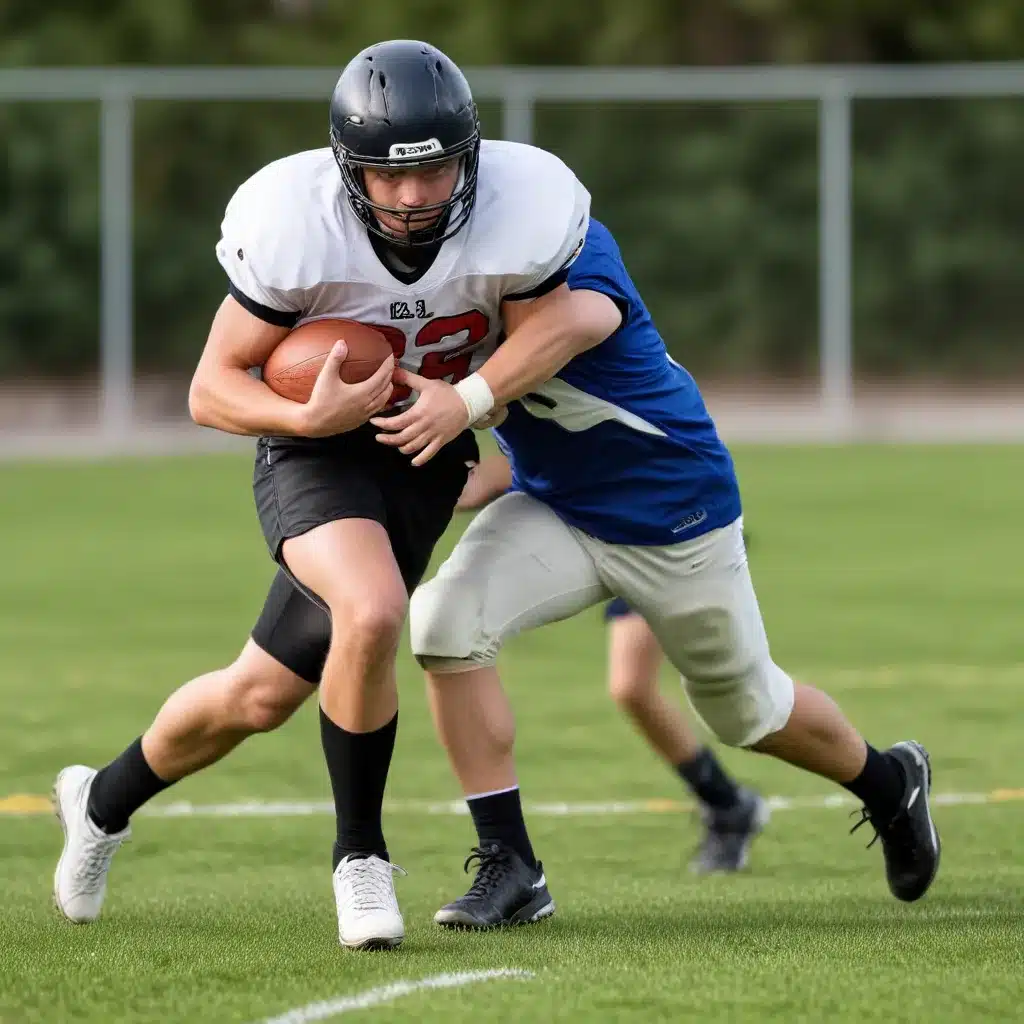
The Injury Landscape in Rugby: Addressing Common Afflictions
As a seasoned rugby professional, I’ve seen firsthand the highs and lows that come with this demanding sport. While the thrill of competition is unparalleled, the reality is that injuries are an unavoidable part of the game. From the explosive collisions on the pitch to the repetitive stresses of training, our bodies are put through the wringer time and time again.
One of the most prevalent issues we face in rugby is the dreaded hamstring injury. These pesky strains and tears can sideline players for weeks, or even months, disrupting the flow of the season and robbing us of crucial match time. And let’s not forget the knee – the workhorse of the lower body – which is constantly under siege, with ACL and meniscus tears a regular occurrence. Ankle sprains, shoulder dislocations, concussions… the list goes on. Each one a unique challenge, requiring specialized treatment and a carefully orchestrated return-to-play protocol.
As a club, we’ve made great strides in our approach to injury management, adopting innovative strategies and technologies to help our players overcome these obstacles. But there’s always more work to be done. By staying vigilant, leveraging the latest research, and fostering an environment of continuous learning and improvement, we can help our athletes reach new heights while minimizing the risk of setbacks.
Injury Risk Mitigation: A Multifaceted Approach
One of the core tenets of our injury prevention strategy is a deep understanding of the underlying risk factors. Through robust screening protocols and meticulous data analysis, we’ve identified key areas that deserve our attention.
Take, for example, the issue of muscle imbalances. By closely monitoring our players’ strength and flexibility, we can identify any asymmetries that might predispose them to strains or tears. Armed with this knowledge, we can then implement targeted training regimens to address these imbalances, improving joint stability and reducing the likelihood of injury.
But it’s not just about the physical aspect. Psychological factors play a crucial role as well. We’ve found that athletes who struggle with fear of re-injury or lack confidence in their abilities are more prone to setbacks during the rehabilitation process. That’s why we place a heavy emphasis on mental preparation, working closely with sports psychologists to help our players develop the mindset and resilience needed to overcome adversity.
Another area of focus is the role of external factors, such as training load and playing surface. By carefully monitoring our players’ workloads and adjusting training intensities accordingly, we can help mitigate the risk of overuse injuries. And when it comes to the playing surface, we work closely with our groundskeepers to ensure that the pitch is in optimal condition, minimizing the risk of lower-limb injuries caused by uneven terrain or poor traction.
Of course, no injury prevention strategy would be complete without the strategic use of protective equipment. From custom-fitted mouthguards to state-of-the-art shoulder pads, we leave no stone unturned in our quest to shield our players from harm. But it’s not just about the equipment itself – it’s about educating our athletes on proper usage and maintenance, ensuring that these protective measures are truly effective.
Rehabilitation and Return-to-Play: A Comprehensive Approach
When injuries do occur, our focus shifts to a comprehensive rehabilitation approach that addresses the physical, mental, and functional aspects of recovery. We understand that each athlete is unique, with their own set of needs and challenges, and that a one-size-fits-all solution simply won’t do.
That’s why we take a collaborative approach, bringing together a multidisciplinary team of sports medicine experts, physical therapists, strength and conditioning coaches, and sports psychologists. Together, we work to create a tailored rehabilitation plan that not only helps the player regain their physical capabilities but also addresses any underlying psychological barriers that might be hindering their progress.
One of the key components of our return-to-play protocols is a gradual, progressive approach to reintegrating the athlete back into full training and competition. We start with low-impact, controlled exercises, gradually increasing the intensity and complexity as the player’s body and mind adapt. Along the way, we monitor their progress closely, using a variety of functional tests and outcome measures to ensure that they’re ready to take the field without risk of re-injury.
But it’s not just about the physical aspect – we also place a strong emphasis on the mental side of the recovery process. Through guided visualization exercises, cognitive-behavioral therapy, and positive reinforcement, we help our players regain their confidence and embrace the challenges that lie ahead.
Innovative Approaches to Injury Management
As a club, we’re always on the lookout for new and innovative ways to improve our injury management strategies. And in recent years, we’ve seen some truly exciting developments in the world of sports medicine and sports science.
One area that has captured our attention is the growing field of regenerative medicine. Therapies like platelet-rich plasma (PRP) and stem cell treatments have shown promising results in accelerating tissue healing and reducing inflammation, helping our players bounce back from injuries faster than ever before.
We’ve also been exploring the potential of wearable technology to enhance our injury prevention and rehabilitation efforts. By incorporating sensors and motion tracking devices into our training protocols, we’re able to gather valuable data on our players’ movement patterns, biomechanics, and fatigue levels, allowing us to identify potential risk factors and tailor our interventions accordingly.
And let’s not forget the power of interdisciplinary collaboration. By fostering strong relationships with researchers, clinicians, and industry partners, we’ve been able to stay at the forefront of the latest developments in injury management, incorporating cutting-edge techniques and technologies into our club’s protocols.
One such partnership that has been particularly fruitful is our ongoing collaboration with the sports science team at the University of Aberdeen. Together, we’ve explored the use of virtual reality and augmented reality systems to enhance our players’ cognitive and perceptual skills, helping them better navigate the complex and unpredictable demands of the game.
Embracing the Future of Injury Management
As we look to the future, I’m excited to see how the world of sports medicine and sports science will continue to evolve. With each passing year, we’re gaining a deeper understanding of the complex interplay between the physical, mental, and environmental factors that contribute to athletic injuries.
And while we may never be able to eliminate injuries entirely, I believe that by staying ahead of the curve, embracing innovative approaches, and fostering a culture of continuous learning and improvement, we can significantly reduce their impact on our players’ performance and well-being.
At Aberdeenshire RFC, we’re committed to being at the forefront of this movement. We’ll continue to invest in cutting-edge technologies, collaborate with leading experts, and empower our athletes to play an active role in their own recovery and prevention efforts. Because when it comes to overcoming injuries, there’s no one-size-fits-all solution – it’s about understanding the unique needs of each individual and tailoring our approach accordingly.
So, to all the players, coaches, and supporters out there, I urge you to embrace this holistic, innovative approach to injury management. By working together, staying vigilant, and constantly pushing the boundaries of what’s possible, we can ensure that our beloved sport continues to thrive for generations to come. After all, the true measure of a champion isn’t just what they achieve on the pitch, but how they overcome the obstacles that stand in their way.