
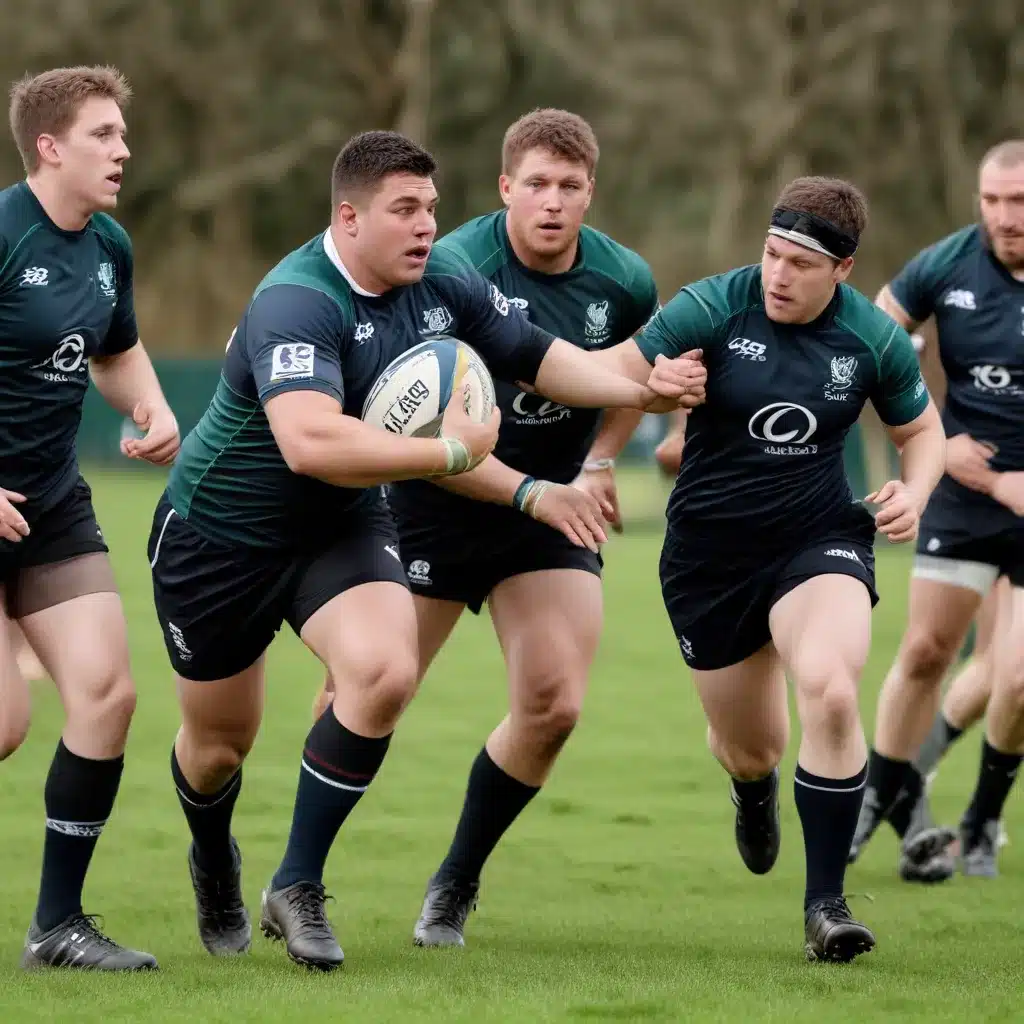
Expanding the Rugby Pitch: Unlocking Opportunities for Athletes with Diverse Abilities
Rugby has long been celebrated for its inclusive spirit, where players of all shapes, sizes, and backgrounds come together to compete, bond, and push the boundaries of the sport. However, when it comes to athletes with disabilities, the rugby community has sometimes struggled to fully embrace and support their participation. This is a reality we must address head-on if we truly want to embody the values of diversity, equity, and inclusion that are central to the sport we love.
As a seasoned rugby professional, I’ve witnessed firsthand the barriers that athletes with disabilities often face when trying to get involved in the game. From inaccessible facilities and a lack of adaptive equipment, to a pervasive stigma around ‘visible’ and ‘invisible’ disabilities, the challenges can seem daunting. But I firmly believe that with the right mindset, resources, and community-driven initiatives, rugby clubs can and must do better to welcome and empower these remarkable individuals.
Accessibility: The Foundation of Inclusive Rugby
The first and most critical step towards creating an inclusive rugby environment is ensuring that our facilities and equipment are accessible to all. This means thoughtfully designing clubhouses, training spaces, and competition venues with the needs of athletes with physical, sensory, and intellectual disabilities in mind.
It could be as simple as installing wheelchair-friendly ramps and automatic doors, or providing adjustable-height lockers and benches in changing rooms. For the pitch itself, adaptations like marked-off wheelchair-accessible zones or synthetic turf that is easier to navigate for athletes with mobility challenges can make a world of difference.
But accessibility goes beyond just the physical infrastructure. Clubs must also invest in adaptive sports gear – from specialized wheelchairs and prosthetics to sensory-friendly headgear and communication aids. Working closely with disability organizations and equipment manufacturers can help identify the right solutions to meet the diverse needs of your players.
Inclusive Coaching and Training
Empowering athletes with disabilities to reach their full potential on the rugby pitch requires a holistic, player-centric approach to coaching and skill development. This starts with comprehensive disability awareness training for all coaching staff, equipping them with the knowledge and tools to effectively support and engage athletes of all abilities.
Beyond just the basics, these training programs should dive deep into understanding the nuances of different disabilities, from physical and intellectual challenges to invisible conditions like chronic pain or mental health issues. Arming coaches with strategies for tailoring drills, modifying rules, and fostering an inclusive team dynamic is crucial.
But the work doesn’t stop there. Clubs should also invest in ongoing, specialized coaching for athletes with disabilities, led by experts who can design targeted programs to address their unique needs and strengths. Whether it’s one-on-one sessions or adaptive team practices, this individualized attention can be transformative in unlocking an athlete’s full potential.
Building a Culture of Inclusion
As important as accessible facilities and specialized coaching are, truly embracing inclusivity in rugby requires a fundamental shift in club culture. It’s about fostering an environment where athletes with disabilities feel valued, empowered, and celebrated as integral members of the team.
This starts with actively challenging stigmas and misconceptions around disability, both within the club and in the broader community. Hosting disability awareness campaigns, sharing inspiring athlete stories, and providing peer mentorship opportunities can all play a role in breaking down barriers and promoting a genuine culture of inclusion.
But beyond just raising awareness, clubs must also empower athletes with disabilities to be visible, vocal leaders within the organization. This could mean establishing disability-focused committees or advisory boards, ensuring their voices are heard in decision-making processes, and providing platforms for them to share their experiences and advocate for change.
Ultimately, it’s about creating a welcoming, supportive environment where every individual, regardless of their abilities, feels seen, valued, and empowered to contribute to the team’s success. And the rewards of this inclusive approach are immense – not just for the athletes themselves, but for the entire rugby community.
Partnerships for Progress
While rugby clubs are undoubtedly the driving force behind creating more inclusive environments, they don’t have to go it alone. Meaningful partnerships with disability organizations, government agencies, and grassroots advocacy groups can be invaluable in expanding access and breaking down systemic barriers.
These collaborations could take many forms, from co-hosting adaptive sports clinics and equipment drives to advocating for increased funding and policy changes that support inclusive participation in rugby. By tapping into the expertise and resources of these specialized organizations, clubs can amplify their impact and ensure that their inclusive initiatives are truly responsive to the needs of athletes with disabilities.
At the same time, clubs should also explore opportunities to leverage government grants, disability-focused sports development programs, and other funding streams to make accessibility upgrades, acquire adaptive gear, and sustain their inclusive initiatives over the long term. With the right financial support and strategic partnerships, the possibilities for expanding rugby’s reach are truly endless.
The Ripple Effects of Inclusive Rugby
While the primary motivation for creating more accessible and welcoming rugby environments should be to empower athletes with disabilities, the benefits extend far beyond the playing field. By embracing inclusivity, clubs can unlock a wealth of positive impacts for their entire community.
For the athletes themselves, the physical, mental, and social benefits of rugby participation are immense. Regular exercise, teamwork, and a sense of belonging can dramatically improve overall wellbeing, while the visibility of athletes with disabilities can help challenge societal perceptions and inspire the next generation.
But the impact doesn’t stop there. An inclusive rugby club also becomes a hub for community engagement, drawing in a diverse array of participants, volunteers, and supporters. This not only strengthens the club’s social fabric, but also sends a powerful message about the power of sport to bridge divides and bring people together.
Ultimately, by leading the charge in creating more inclusive rugby environments, clubs have the opportunity to redefine the boundaries of the sport, pushing it to new heights of diversity, equity, and excellence. And in doing so, they can serve as beacons of inspiration, encouraging other teams, leagues, and sporting organizations to follow suit.
Embracing the Future of Inclusive Rugby
The journey towards creating truly inclusive rugby environments is an ongoing one, filled with both challenges and immense potential. But as seasoned professionals, we have a responsibility to meet this moment head-on, leveraging our expertise, resources, and passion to pave the way for a more accessible, equitable, and empowering future for the sport we love.
By prioritizing accessibility, empowering inclusive coaching, cultivating a culture of belonging, and forging strategic partnerships, rugby clubs can become bastions of inclusive excellence – inspiring athletes with disabilities to join our ranks, while also enriching the experience for all who step onto the pitch.
So, let us rise to this occasion, embracing the diversity of our rugby community and unlocking the boundless potential that lies within. For in doing so, we don’t just strengthen our sport – we build a more just, inclusive, and vibrant world, one try at a time.