
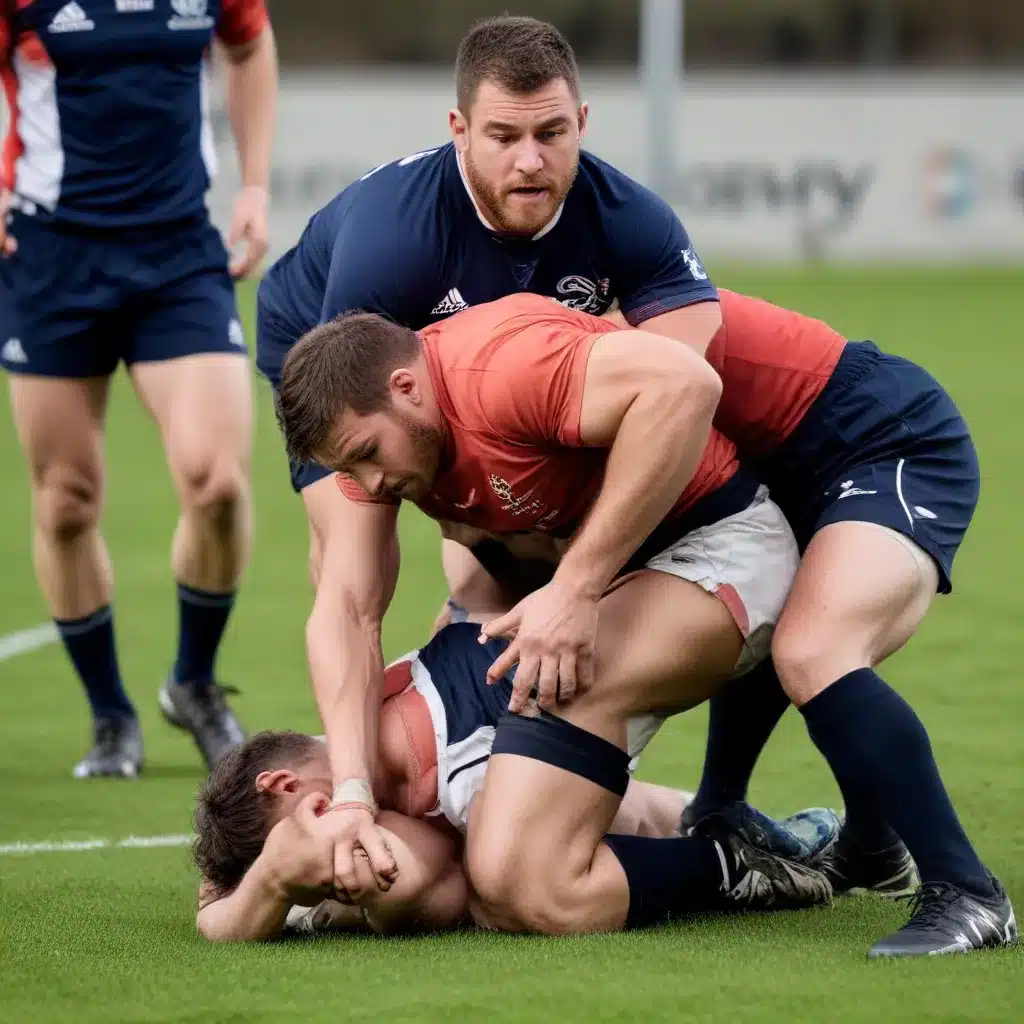
Rugby-Specific Injury Profiles
As a seasoned rugby professional, I’ve witnessed firsthand the grueling physical demands that our sport places on the body. From bone-crunching collisions to the strain of endless sprints and intense training sessions, rugby players face a veritable minefield of potential injuries. However, with the right approach to rehabilitation and recovery, these setbacks can be overcome, and players can return to the pitch stronger and more resilient than ever before.
Common Injuries Affecting Rugby Players
Rugby’s high-impact nature means that players are susceptible to a wide range of injuries, including muscle strains, joint sprains, and even more severe problems like fractures. Some of the most prevalent issues I’ve encountered over the years include:
- Hamstring Strains: The explosive acceleration and twisting motions inherent to rugby place tremendous stress on the hamstring muscles, making them prone to painful strains and tears.
- Ankle Sprains: Sudden changes in direction, coupled with the impact of tackles and scrums, can easily lead to ankle sprains and instability.
- Concussions: The sheer physicality of rugby, with players colliding at high speeds, puts them at risk of sustaining traumatic brain injuries like concussions, which require careful management and a gradual return to play.
- Shoulder Dislocations: The shoulder joint is particularly vulnerable during tackles, rucks, and mauls, often resulting in painful dislocations that can sideline players for weeks.
- ACL Tears: The sudden stops, pivots, and rapid changes of direction in rugby can overload the knee’s anterior cruciate ligament (ACL), causing debilitating injuries that require extensive rehabilitation.
Factors Contributing to Injury Risks in Rugby
While the inherent physicality of rugby accounts for many of the injuries players face, there are also several other factors that can increase their susceptibility to harm:
- Improper Technique: Poor tackling form, incorrect scrum engagement, and other technical flaws can put unnecessary strain on the body and increase the likelihood of injury.
- Overtraining: The relentless demands of training and competition can lead to overuse injuries if players and coaches don’t carefully manage workloads and allow for adequate rest and recovery.
- Lack of Strength and Conditioning: Players who neglect their physical preparation, such as neglecting crucial strength, power, and flexibility training, are more prone to acute and chronic injuries.
- Poor Nutrition and Recovery Practices: Inadequate nutrition, hydration, and post-exercise recovery strategies can impair the body’s ability to heal and adapt, leaving players vulnerable to recurrent issues.
By understanding the common injury patterns and underlying risk factors in rugby, we can develop a comprehensive approach to rehabilitation and recovery that helps players overcome setbacks and return to the field stronger and more resilient than ever before.
Physiotherapy Approaches to Rehabilitation
As a rugby club’s medical staff, we work closely with our physiotherapists to design and implement cutting-edge rehabilitation programs tailored to each player’s unique needs. These evidence-based approaches focus on restoring function, improving strength and mobility, and ensuring a safe, gradual return to full participation.
Manual Therapy Techniques
In the initial stages of rehabilitation, our physiotherapists often employ a range of manual therapy techniques to address pain, reduce inflammation, and facilitate the healing process. Some of the key modalities we use include:
- Soft Tissue Mobilization: Targeted massage and manual manipulation of the affected muscles, tendons, and ligaments to improve blood flow, relieve tension, and promote tissue repair.
- Joint Mobilization: Gentle, controlled movements of the injured joint to restore proper range of motion, reduce pain, and address any restrictions or imbalances.
- Trigger Point Release: Identifying and deactivating painful muscle “knots” or trigger points that can inhibit function and contribute to ongoing discomfort.
By addressing the underlying soft tissue and joint dysfunctions, our physiotherapists lay the foundation for a successful rehabilitation journey, setting the stage for the next crucial phase: exercise-based therapy.
Exercise-Based Rehabilitation Programs
Once the initial acute phase of the injury has been managed, our physiotherapists shift their focus to implementing targeted exercise programs designed to restore strength, flexibility, and neuromuscular control. These tailored rehabilitation plans may include:
- Strengthening Exercises: Progressive resistance training to target the specific muscle groups affected by the injury, gradually building power and endurance.
- Proprioceptive Training: Exercises that challenge the player’s balance, coordination, and neuromuscular awareness, helping to improve joint stability and reduce the risk of re-injury.
- Plyometric Drills: Explosive, high-intensity exercises that mimic the dynamic movements of rugby, preparing the player for a safe return to the field.
- Functional Movement Patterns: Exercises that replicate the specific movements and demands of rugby, ensuring a seamless transition back to full-contact training and competition.
By closely monitoring the player’s progress and gradually progressing the intensity and complexity of the rehabilitation program, our physiotherapists work to restore optimal function and performance, while also instilling the player with the confidence and resilience needed to excel at the highest levels of the sport.
Integrative Sports Medicine Strategies
Beyond the expertise of our physiotherapy team, the Aberdeenshire RFC medical staff also incorporates the latest advancements in sports medicine to enhance the rehabilitation and recovery process for our players. This multidisciplinary approach combines cutting-edge diagnostics, targeted interventions, and evidence-based supplementation protocols.
Diagnostic Imaging and Assessment
Accurate diagnosis and monitoring of the injury are crucial to developing an effective rehabilitation plan. Our sports medicine team utilizes a range of advanced diagnostic tools, including:
- Musculoskeletal Ultrasound: Providing real-time visualization of soft tissue structures, allowing our sports medicine specialists to assess the extent of the injury and monitor the healing process.
- Magnetic Resonance Imaging (MRI): For more complex or severe injuries, we rely on MRI scans to obtain detailed information about the extent of tissue damage and guide the rehabilitation strategy.
- Functional Movement Screenings: Comprehensive assessments of the player’s movement patterns, flexibility, and neuromuscular control, which help identify underlying imbalances or weaknesses that may have contributed to the injury.
By leveraging these cutting-edge diagnostic tools, our sports medicine team can develop a comprehensive understanding of the player’s condition, enabling us to craft personalized rehabilitation plans that address the unique aspects of each injury.
Medication and Supplementation Protocols
In addition to the hands-on rehabilitation work, our sports medicine specialists may also incorporate targeted pharmacological and nutritional interventions to support the healing process and optimize the player’s recovery. Some of the key strategies we employ include:
- Anti-inflammatory Medication: Judiciously prescribed non-steroidal anti-inflammatory drugs (NSAIDs) to help manage pain and reduce inflammation in the acute phase of the injury.
- Nutritional Supplementation: Carefully selected supplements, such as high-quality protein powders, omega-3 fatty acids, and essential vitamins and minerals, to support tissue repair and muscle recovery.
- Regenerative Injections: In some cases, we may utilize innovative treatments like platelet-rich plasma (PRP) or stem cell therapies to accelerate the body’s natural healing processes.
By integrating these sports medicine modalities with our comprehensive physiotherapy approach, we’re able to provide our players with a holistic, evidence-based path to recovery, ensuring they return to the field stronger, more resilient, and better equipped to withstand the rigors of elite rugby competition.
Alternative Therapies for Injury Recovery
While our primary focus is on evidence-based physiotherapy and sports medicine interventions, we also recognize the value that alternative therapies can bring to the rehabilitation process. As part of our holistic approach to player care, we incorporate select complementary treatments to enhance recovery and support overall well-being.
Acupuncture and Traditional Chinese Medicine
Several of our players have found significant benefits from incorporating traditional Chinese medicine (TCM) techniques, such as acupuncture, into their rehabilitation regimens. Our in-house TCM specialist works closely with the physiotherapy and sports medicine teams to develop integrated treatment plans that address both the physical and energetic aspects of the injury.
Acupuncture, in particular, has proven effective in reducing pain, improving circulation, and accelerating the body’s natural healing processes. By strategically placing needles along specific meridian points, our TCM practitioner can help to restore balance, alleviate muscle tension, and facilitate the flow of qi (vital energy) to the affected area.
Massage and Soft Tissue Manipulation
In addition to the manual therapy techniques employed by our physiotherapists, we also offer specialized massage and soft tissue manipulation services to aid in the recovery process. Our sports massage therapists utilize a variety of modalities, including:
- Deep Tissue Massage: Targeted, firm pressure to address deep-seated muscle adhesions and restrictions, promoting improved blood flow and tissue elasticity.
- Myofascial Release: Gentle, sustained pressure and stretching techniques to release tension and restrictions within the body’s connective tissue (fascia).
- Instrument-Assisted Soft Tissue Mobilization: The use of specialized tools, such as Graston Technique instruments, to break down scar tissue and facilitate tissue repair.
By incorporating these alternative therapies into our comprehensive rehabilitation protocols, we’re able to provide our players with a truly holistic approach to injury recovery, addressing both the physical and energetic aspects of their well-being.
Optimizing the Recovery Process
While the physiotherapy and sports medicine interventions are crucial to the rehabilitation journey, we recognize that a player’s recovery is also heavily influenced by factors beyond the treatment room. As such, we place a strong emphasis on optimizing the overall recovery process, including nutrition, hydration, and psychological support.
Nutrition and Hydration for Healing
Proper nutrition and hydration play a vital role in the body’s ability to heal and recover from injury. Our team of sports dietitians works closely with each player to develop personalized nutrition plans that address their specific needs during the rehabilitation process.
Key strategies we employ include:
- Adequate Protein Intake: Ensuring players consume sufficient high-quality protein to support muscle repair and growth, with a focus on timing protein intake around training and exercise.
- Nutrient-Dense Foods: Encouraging the consumption of whole, nutrient-rich foods that provide the essential vitamins, minerals, and antioxidants required for tissue healing and immune function.
- Proper Hydration: Emphasizing the importance of adequate fluid intake to support circulatory function, nutrient delivery, and waste removal.
- Supplementation: Selectively incorporating targeted supplements, such as omega-3 fatty acids, collagen, and branched-chain amino acids, to further support the body’s recovery processes.
By working closely with our players to optimize their nutritional intake and hydration status, we’re able to create an environment that is conducive to accelerated healing and a more seamless return to play.
Psychological Strategies for Motivation and Resilience
The road to recovery can be long and arduous, both physically and mentally. That’s why we place a strong emphasis on supporting our players’ psychological well-being throughout the rehabilitation process. Our sports psychology team works hand-in-hand with the medical staff to implement strategies that help players:
- Maintain Motivation: Developing goal-setting techniques, visualization exercises, and other cognitive-behavioral interventions to help players stay focused and engaged in their rehabilitation.
- Manage Stress and Anxiety: Providing players with practical tools for stress management, including mindfulness-based practices, relaxation techniques, and emotional regulation strategies.
- Foster Resilience: Helping players cultivate a growth mindset, learn from setbacks, and develop the mental toughness required to overcome the challenges of injury and return to peak performance.
By addressing both the physical and psychological aspects of the recovery process, we’re able to empower our players to take an active, invested role in their rehabilitation, ultimately leading to better outcomes and a smoother transition back to the field.
Injury Prevention Measures
While we’ve discussed a comprehensive approach to rehabilitation and recovery, the most effective strategy for addressing rugby injuries is, of course, to prevent them from happening in the first place. As part of our holistic player care model, we place a strong emphasis on implementing evidence-based injury prevention measures to keep our athletes healthy and on the pitch.
Strengthening and Flexibility Training
A key component of our injury prevention program is a focused, year-round approach to strength and flexibility training. Our strength and conditioning coaches work closely with each player to develop individualized programs that target the specific muscle groups, movement patterns, and physiological demands of rugby.
Some of the key focus areas include:
- Targeted Strength Training: Exercises that build power, endurance, and neuromuscular control in the core, lower body, and upper body muscle groups.
- Plyometric and Agility Drills: High-intensity exercises that mimic the explosive, multi-directional movements of rugby, helping to improve neuromuscular coordination and reduce the risk of non-contact injuries.
- Comprehensive Flexibility Routines: Dynamic stretching, mobility drills, and soft tissue mobilization techniques to improve joint range of motion and reduce the likelihood of strains and sprains.
By addressing these fundamental physical attributes, we’re able to help our players develop the robust, resilient bodies required to withstand the rigors of elite rugby competition.
Protective Equipment and Technique Refinement
In addition to strength and conditioning, we also place a strong emphasis on the use of proper protective equipment and the refinement of technical skills to further reduce the risk of injury. This includes:
- High-Quality Protective Gear: Ensuring our players are outfitted with the latest, most advanced rugby equipment, such as impact-absorbing mouthguards, padded compression garments, and reinforced headgear.
- Coaching and Technique Refinement: Working closely with our players and coaching staff to identify and correct any technical flaws or poor movement patterns that may increase their susceptibility to injury.
By taking a proactive, multifaceted approach to injury prevention, we’re able to keep our players healthy, on the pitch, and performing at the highest levels of the game.
Returning to Play: Progressions and Timelines
One of the most critical aspects of the rehabilitation process is ensuring a safe, gradual return to full participation. Our medical staff works closely with the players, coaches, and performance staff to develop comprehensive return-to-play protocols that prioritize the athlete’s long-term health and well-being.
Functional Assessments and Criteria
Before allowing a player to progress through the various stages of return to play, we utilize a battery of functional assessments to evaluate their readiness. These may include:
- Movement Screenings: Comprehensive evaluations of the player’s strength, flexibility, balance, and neuromuscular control to identify any lingering deficits or imbalances.
- Sport-Specific Testing: Drills and simulations that replicate the demands of rugby, ensuring the player can safely perform the required movements without risk of re-injury.
- Performance Metrics: Objective measurements of power, speed, and endurance to ensure the player has regained the necessary physical attributes to excel at the elite level.
Only once the player has successfully demonstrated their ability to meet our rigorous return-to-play criteria do we begin the gradual reintegration process.
Gradual Return-to-Sport Protocols
Our return-to-play protocols are designed to systematically reintroduce the player to increasingly demanding training and competition, with the ultimate goal of a full, sustainable recovery. This staged approach typically includes:
- Rehabilitation-Based Training: A period of modified, non-contact training focused on improving strength, mobility, and sport-specific skills.
- Controlled Contact Drills: Carefully monitored, low-intensity contact sessions to gradually reintroduce the player to the physical demands of the sport.
- Progressive Skills Training: Slowly ramping up the complexity and intensity of rugby-specific drills, preparing the player for a full return to team training.
- Phased Return to Competition: A measured process of reintroducing the player to competitive matches, starting with reduced minutes or specific positional roles, before ultimately returning to their regular playing time.
Throughout this gradual progression, our medical staff maintains open communication with the player, coaches, and performance staff, constantly monitoring progress and adjusting the plan as needed to ensure a safe, successful return to play.
By prioritizing a thoughtful, step-by-step approach, we’re able to help our players overcome their injuries, build resilience, and ultimately reclaim their positions as elite performers, ready to lead the Aberdeenshire RFC to glory on the pitch.