
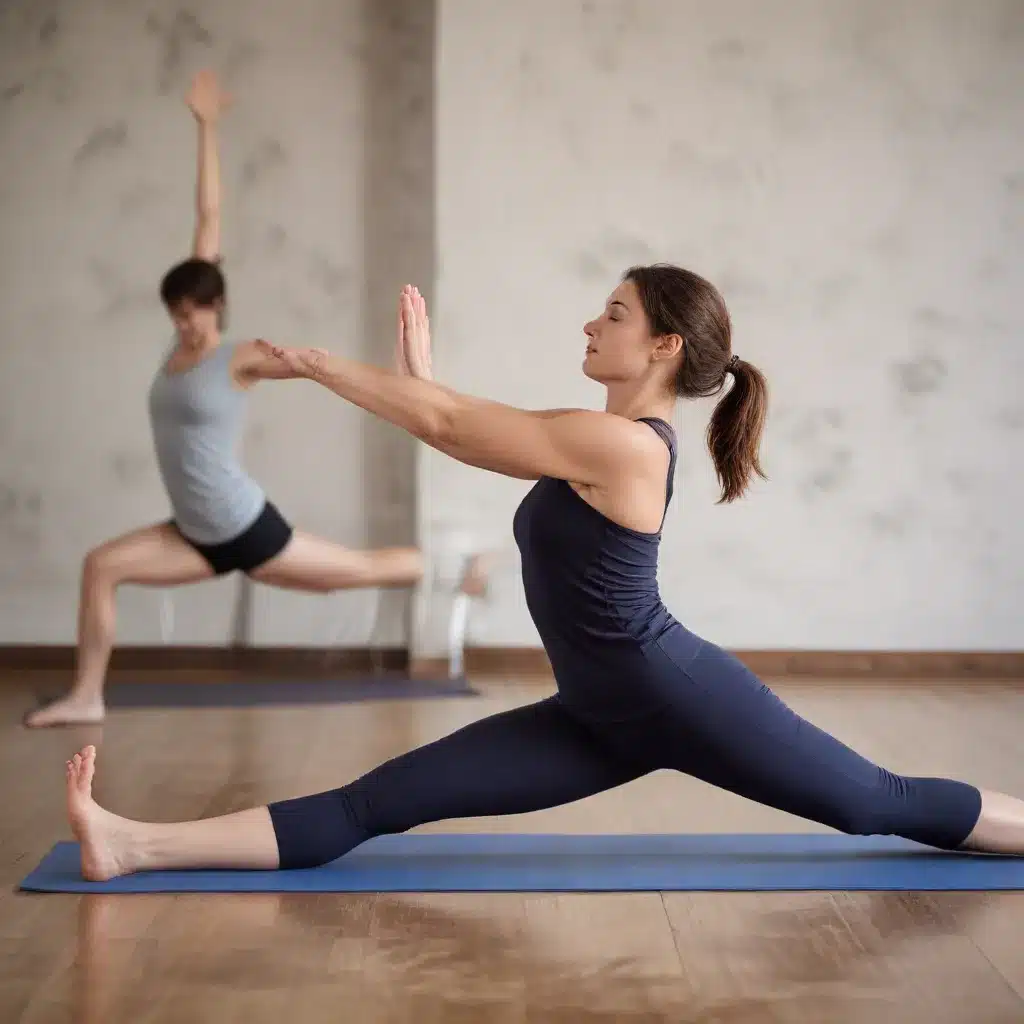
Unlocking the Potential of Complementary Practices for Rugby Success
As a seasoned rugby professional with extensive experience in club operations, match analysis, training methodologies, youth development, women’s rugby, health & wellness, community outreach, and global rugby insights, I’ve witnessed firsthand the transformative power of integrating yoga and Pilates into the training regimes of elite rugby players. While the physicality and intensity of rugby are unparalleled, maintaining a well-rounded approach to physical conditioning is essential for unlocking peak performance and mitigating the risk of debilitating injuries.
Addressing the Injury Epidemic in Rugby
Rugby is a sport that demands a unique blend of explosive power, raw strength, and unwavering resilience from its participants. Unfortunately, the high-impact nature of the game also makes it a breeding ground for a wide range of injuries, ranging from sprains and strains to concussions and shoulder/knee issues. These setbacks not only sideline players for extended periods, but they can also have long-lasting implications on their careers and overall well-being.
Yoga: Enhancing Flexibility, Stability, and Recovery
One of the most significant benefits of incorporating yoga into a rugby player’s training regimen is the profound impact it can have on flexibility and joint mobility. The deliberate and controlled movements associated with yoga asanas (poses) help to elongate muscle fibers, improve range of motion, and reduce the risk of muscle tightness or imbalances – all of which are common precursors to the dreaded sprains and strains that plague rugby players.
Beyond just increasing flexibility, yoga also emphasizes the development of core strength and overall body control. By engaging the deep stabilizing muscles of the trunk and pelvis, rugby players can enhance their balance, proprioception, and ability to maintain proper form and alignment during high-intensity movements. This increased awareness and neuromuscular control can be a game-changer when it comes to injury prevention, as players are better equipped to navigate the chaotic nature of rucks, mauls, and high-speed collisions.
Furthermore, the meditative and mindfulness aspects of yoga can play a crucial role in the recovery and rehabilitation process. By incorporating restorative yoga practices, rugby players can learn to regulate their stress response, promote parasympathetic nervous system activation, and facilitate the body’s natural healing mechanisms. This holistic approach to physical and mental well-being can not only accelerate the recovery timeline but also help prevent the recurrence of injuries.
Pilates: Restoring Muscular Balance and Optimizing Movement Patterns
Complementing the flexibility and stability focus of yoga, Pilates offers a unique approach to strengthening the core musculature and restoring muscular balance throughout the body. By targeting the deep stabilizing muscles, Pilates exercises can help rugby players address imbalances and asymmetries that often develop due to the asymmetrical nature of the sport.
One of the key areas where Pilates shines is in the rehabilitation and prevention of hamstring and quadriceps imbalances. As rugby players frequently experience hamstring strains and other lower-body injuries, maintaining a proper hamstring-to-quadriceps strength ratio is crucial for safeguarding against these common ailments. Pilates-based exercises that emphasize eccentric hamstring strengthening and functional movement patterns can be highly effective in restoring this critical balance.
Moreover, Pilates’ emphasis on proper spinal alignment and postural awareness can be particularly beneficial for rugby players, who often experience significant stress on the trunk and upper body during scrums, tackles, and other high-impact collisions. By enhancing core stability and promoting optimal movement mechanics, Pilates can help mitigate the risk of shoulder, neck, and lower back injuries that are often associated with the demands of the sport.
Combining the Power of Yoga and Pilates
While yoga and Pilates can be immensely valuable as standalone practices, the true synergistic benefits emerge when rugby players integrate these complementary disciplines into a comprehensive training program. By strategically combining the flexibility, stability, and recovery-focused elements of yoga with the muscular balance and movement optimization principles of Pilates, players can create a holistic system of injury prevention and performance enhancement.
This integrated approach allows rugby players to address the multifaceted demands of the sport, addressing key risk factors and building a resilient, well-rounded physical foundation. By cultivating improved flexibility, enhanced core strength, better balance, and a heightened mind-body connection, players can not only reduce their susceptibility to injuries but also unlock new levels of athletic prowess on the pitch.
Tailoring the Practices to Individual Needs
It’s important to note that the implementation of yoga and Pilates within a rugby training program should be highly individualized, taking into account each player’s unique physical characteristics, injury history, and specific areas of weakness or imbalance. A one-size-fits-all approach is unlikely to yield optimal results, and it’s crucial to work with experienced practitioners who can design customized programs that address the specific needs of each athlete.
For example, a player with a history of shoulder instability may benefit from a greater emphasis on upper body and rotator cuff-targeted Pilates exercises, while a player prone to hamstring strains may require a more comprehensive regimen of yoga-based hamstring and hip mobility work. By tailoring the practices to the individual, rugby clubs and coaches can maximize the impact of these complementary disciplines and empower their players to perform at their absolute best, both on and off the pitch.
Embracing a Holistic Approach to Rugby Preparation
In the ever-evolving landscape of rugby, where the physical demands continue to reach new heights, the integration of yoga and Pilates into training programs has become an essential component of comprehensive player development and injury prevention strategies. By harnessing the synergistic benefits of these mind-body practices, rugby players can not only safeguard their long-term careers but also unlock new realms of physical and mental performance.
At Aberdeenshire RFC, we’ve witnessed firsthand the transformative power of this holistic approach to rugby preparation. By encouraging our players to embrace yoga and Pilates as integral parts of their training regimen, we’ve seen a remarkable reduction in the incidence of debilitating injuries, as well as a palpable increase in overall athletic prowess and resilience.
As a seasoned rugby professional, I wholeheartedly recommend that all players, regardless of their level or position, explore the profound benefits of incorporating yoga and Pilates into their training. By doing so, you’ll not only enhance your physical capabilities but also cultivate a deeper understanding of your body’s needs, ultimately empowering you to excel on the pitch and enjoy a long, successful career in this remarkable sport.