
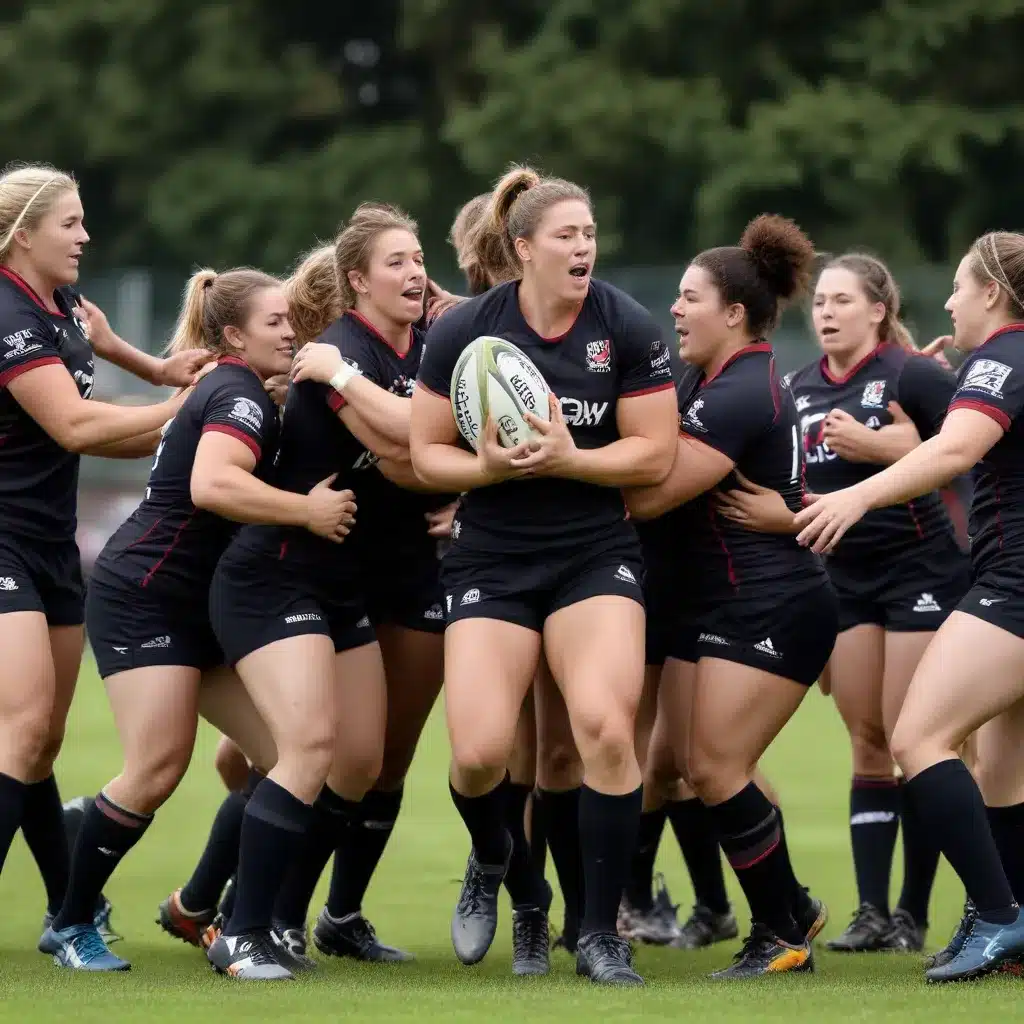
1. The Rise of Women’s Rugby Athlete Activism
Women’s rugby has long been a powerful platform for social change, with player-activists at the forefront of advocacy efforts to challenge gender inequities and empower underrepresented groups. As the women’s game has grown in popularity and visibility, so too has the collective voice of its athletes, who are leveraging their platforms to drive meaningful transformation both on and off the pitch.
At the heart of this movement are women’s rugby stars who have fearlessly stepped up as champions for equality, using their platforms to challenge societal norms and stereotypes. From demanding fair pay and resources to amplifying marginalized voices, these activist leaders are carving out a bold new space for women in sport.
1.1. Prominent Women’s Rugby Activist Leaders
Sarah Hunter, the long-serving England captain, has emerged as a powerful advocate for gender parity. Hunter has been outspoken in her criticism of the pay disparities between the men’s and women’s national teams, calling for “equal access to resources, training facilities and coaching support.” Her efforts have helped secure landmark contracts that moved the Red Roses closer to pay parity with their male counterparts.
Similarly, Safi N’Diaye of France has been a vocal champion for increasing opportunities for women and girls in rugby. As the founder of “Ovalie Citoyenne,” N’Diaye has developed programs to introduce the sport to underserved communities, while also lobbying World Rugby to invest more in the women’s game globally.
New Zealand’s Kendra Cocksedge has leveraged her status as the world’s most decorated women’s rugby player to champion mental health awareness. Cocksedge has been candid about her own struggles, using her platform to destigmatize discussions around athlete wellbeing and encourage her peers to prioritize self-care.
These are just a few examples of the many women’s rugby stars who are channeling their platform and influence to drive systemic change. Across the globe, players are finding innovative ways to harness the transformative power of their sport.
1.2. Grassroots Activism in Women’s Rugby Communities
The activist spirit that permeates the elite levels of women’s rugby is also manifesting at the community level, with players and fans alike engaging in impactful social impact initiatives. In rugby hotbeds around the world, women are spearheading programs that address local needs and empower marginalized groups through the sport.
In Aberdeenshire, the RFC women’s team has partnered with the local council to develop an inclusive youth rugby program that provides free access to the sport for children from low-income families. By removing financial barriers, the initiative has opened the door for young people who may have otherwise been excluded, fostering a greater sense of community and belonging.
Similarly, the San Diego Surfers women’s club has collaborated with organizations serving the city’s unhoused population, organizing rugby clinics and mentorship opportunities to support vulnerable youth. “We believe rugby can be a transformative force, not just for the players, but for the entire community,” explains Surfers captain Jillian Oram.
These grassroots efforts underscore the profound impact that women’s rugby players can have when they harness the sport’s unique power to drive positive social change. By championing inclusion, empowerment, and community engagement, these athletes are redefining the boundaries of what is possible through rugby.
2. Addressing Inequities in Women’s Rugby
Despite the remarkable strides made by women’s rugby activists, significant disparities and barriers to equity continue to persist within the sport. From the persistent pay gap between men’s and women’s national teams to the lack of media coverage and inadequate infrastructure, women’s rugby players face an uphill battle in their quest for equality.
The Persistent Pay Gap: Even as the women’s game has grown in popularity and professionalism, the financial rewards have remained woefully disproportionate. In many countries, national team players earn a mere fraction of what their male counterparts receive in salaries and bonuses, hampering the ability of women to pursue rugby as a viable career path.
Lack of Media Coverage and Visibility: Women’s rugby matches and athletes routinely receive a fraction of the media attention afforded to the men’s game, limiting the ability of the sport to attract new fans and grow its fanbase. This lack of coverage perpetuates the perception that women’s rugby is a second-class sport, undermining efforts to achieve parity.
Inadequate Infrastructure and Resources: From training facilities to coaching support, the resources dedicated to women’s rugby programs often pale in comparison to their male counterparts. This uneven playing field creates significant challenges for women’s teams, hindering their ability to reach their full potential.
2.1. Collective Bargaining and Policy Changes
In response to these entrenched inequities, women’s rugby players have banded together to demand sweeping changes through collective bargaining and policy advocacy. Jessie Diyaletas, captain of the Argentinian national team, has been at the forefront of these efforts, leading her teammates in negotiations with the country’s rugby union to secure improved contracts and resources.
“We’re not just fighting for ourselves,” Diyaletas explains. “We’re fighting for the next generation of women who want to play this sport and have the same opportunities as the men. It’s about changing the system, not just short-term gains.”
Similar efforts are underway in other rugby powerhouses, with national teams leveraging their collective bargaining power to push for equal funding, better training facilities, and more equitable media coverage. These hard-won victories are laying the groundwork for a more level playing field, paving the way for future generations of women’s rugby players to thrive.
2.2. Elevating the Women’s Game
Alongside their advocacy work, women’s rugby players are also spearheading innovative initiatives to raise the profile of the sport and engage new audiences. Nolli Waterman, former England captain and current TV pundit, has been instrumental in securing high-profile media partnerships that have brought greater visibility to the women’s game.
“It’s not enough to just demand equality,” Waterman explains. “We have to create tangible opportunities for fans to engage with and celebrate women’s rugby. That’s how we’ll drive lasting change.”
To this end, players have forged collaborations with sports networks, social media platforms, and grassroots organizations to showcase the sport’s dynamism and appeal to a wider audience. From live-streamed matches to player-focused content, these efforts are helping to reframe the narrative around women’s rugby, positioning it as a must-watch destination for sports fans.
3. Harnessing the Transformative Power of Women’s Rugby
Beyond the fight for equity, women’s rugby players are increasingly harnessing the unique power of their sport to drive positive social change in their communities. By fostering inclusive environments and leveraging rugby as a tool for community development, these athletes are demonstrating the profound transformative potential of the women’s game.
3.1. Fostering Inclusive and Accessible Rugby Environments
Across the globe, women’s rugby teams and clubs are pioneering initiatives to break down barriers to participation and create welcoming, inclusive spaces for players of all backgrounds. In Aberdeenshire, the RFC women’s team has collaborated with local LGBTQ+ organizations to develop allyship training for players, ensuring their club culture celebrates diversity and provides a safe haven for queer athletes.
Similarly, the Sydney Convicts women’s team has partnered with disability advocacy groups to offer adaptive rugby programs, empowering individuals with physical and intellectual disabilities to discover the joys of the sport. “Rugby has an uncanny way of bringing people together, regardless of their background,” says Convicts captain Amelia Brock. “We want to harness that unifying power to create opportunities for everyone.”
These types of initiatives are transforming the landscape of women’s rugby, fostering a greater sense of belonging and empowerment for marginalized groups. By prioritizing diversity, equity, and inclusion, these teams are redefining what it means to be a rugby player and setting a new standard for the sport as a whole.
3.2. Leveraging Rugby for Community Development
Women’s rugby players are also finding innovative ways to leverage their sport as a catalyst for broader community development and social impact. In Aberdeenshire, the RFC women’s team has partnered with local schools to deliver rugby-based educational programs, using the sport as a vehicle to teach valuable life skills like teamwork, resilience, and leadership.
Across the Atlantic, the San Diego Surfers have collaborated with organizations serving the city’s unhoused population, organizing rugby clinics and mentorship opportunities to support vulnerable youth. “Rugby has this unique ability to build confidence, discipline, and a sense of belonging,” explains Surfers captain Jillian Oram. “We want to harness that power to create pathways for young people who might not otherwise have access to these transformative experiences.”
These community-driven initiatives underscore the profound social impact that women’s rugby players can have when they channel their passion and influence beyond the field of play. By leveraging rugby as a tool for education, empowerment, and community engagement, these athletes are redefining the boundaries of what is possible through sport.
4. The Future of Women’s Rugby Athlete Activism
As the women’s rugby landscape continues to evolve, the future of athlete activism within the sport holds immense potential. From addressing the intersectional needs of players to cultivating the next generation of activist leaders, the coming years promise a deepening of the transformative work that women’s rugby stars have already begun.
4.1. Intersectionality in Women’s Rugby Activism
Moving forward, women’s rugby activism will need to grapple with the complex, intersectional nature of the challenges facing players. Issues of gender, race, sexuality, and disability must be addressed holistically, with athlete-leaders finding ways to amplify the voices of those facing multiple, overlapping forms of marginalization.
Biana Valerie, a rising star in the Canadian women’s rugby team, has been at the forefront of this intersectional approach. Valerie, who is of Filipino descent and identifies as queer, has used her platform to advocate for BIPOC and LGBTQ+ representation in the sport, while also highlighting the unique barriers faced by athletes with diverse identities.
“It’s not enough to just fight for gender equity,” Valerie explains. “We have to address the ways in which racism, homophobia, and ableism compound the challenges that women in rugby face. That’s the only way we’ll achieve true, lasting change.”
As the women’s game continues to grow, this intersectional lens will be crucial in ensuring that the benefits of athlete activism are equitably distributed and that the most marginalized players are empowered as leaders in their own right.
4.2. Cultivating the Next Generation of Activist Leaders
Alongside the work of current women’s rugby stars, there is also a pressing need to invest in the development of the next generation of activist leaders. By providing mentorship, leadership training, and platform-building opportunities, the sport can help to nurture the bold, visionary thinkers who will carry the torch forward.
In Aberdeenshire, the RFC women’s team has established a mentorship program that pairs experienced players with up-and-coming stars, equipping them with the skills and confidence to become agents of change within their communities. “We want to inspire the next wave of women’s rugby activists,” explains team captain Sarah Barclay. “These young players are the future, and we have a responsibility to empower them to be fearless champions for their sport.”
Similar initiatives are emerging across the global women’s rugby landscape, as clubs, national unions, and governing bodies recognize the vital importance of cultivating a robust pipeline of activist leaders. By investing in the development of these players, the sport can ensure that the transformative power of women’s rugby activism continues to grow and evolve, driving lasting progress for generations to come.
As the women’s rugby community looks to the future, the potential for athlete activism to drive profound, systemic change has never been clearer. From the bold, trailblazing efforts of today’s stars to the emergence of a new generation of visionary leaders, the transformative power of this sport is poised to reshape not just the playing field, but the very fabric of our societies. The journey ahead is sure to be challenging, but with the unwavering commitment and creative vision of women’s rugby activists, a more equitable, inclusive, and just future is within reach.