
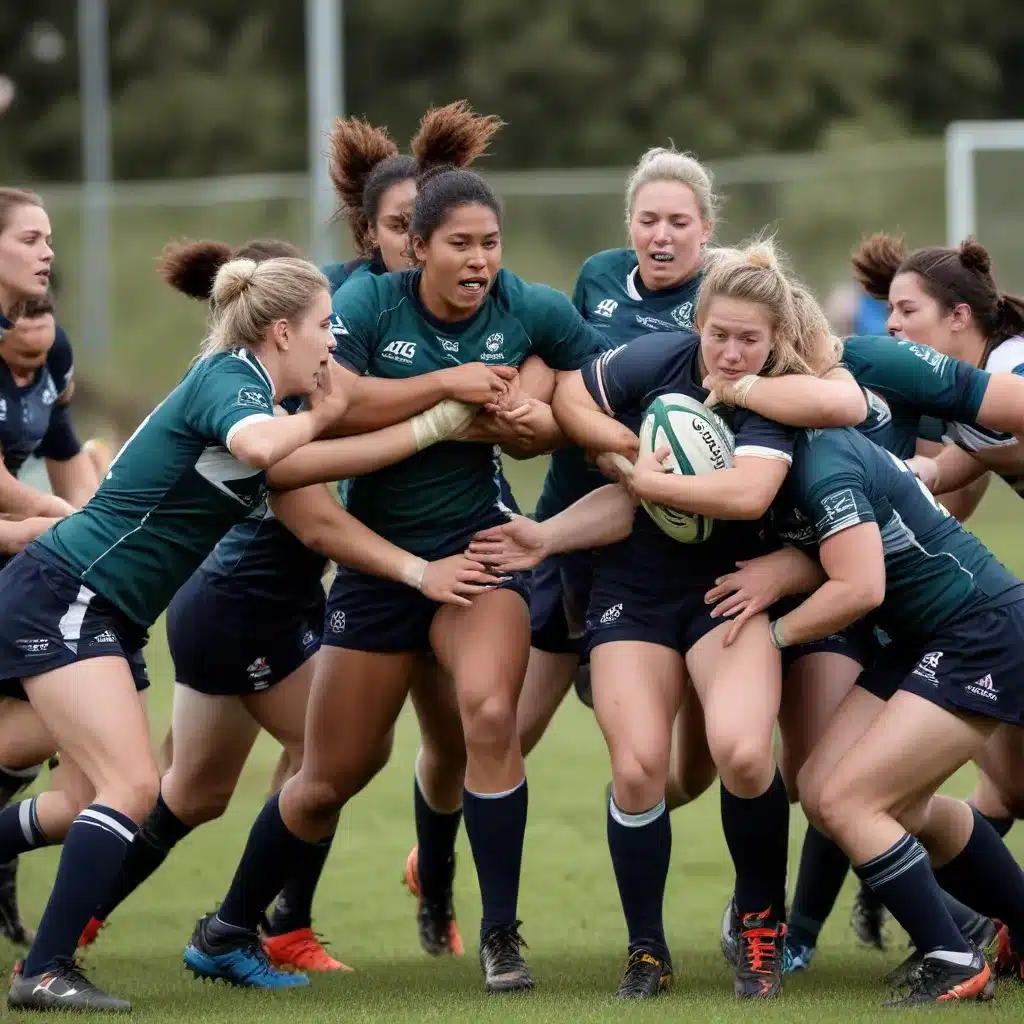
1. The Importance of Women’s Rugby Development
In the dynamic world of rugby, the growth and empowerment of women’s participation have become crucial catalysts for cultivating a more inclusive and equitable sports landscape. As we strive to bridge the gender gap and foster greater representation, the power of mentorship and sponsorship initiatives emerges as a transformative force, unlocking new avenues for success and inspiring the next generation of female rugby stars.
1.1. Gender Equity in Sport
The pursuit of gender equity in sport is a global imperative, driven by the recognition that all individuals, regardless of their gender, deserve equal opportunities to excel, lead, and inspire. Women’s rugby, in particular, has been at the forefront of this movement, challenging traditional norms and shattering stereotypes. By providing platforms for female athletes to showcase their skills and leadership, we can empower women to redefine the boundaries of what is possible in the world of rugby.
1.2. Barriers to Women’s Participation in Rugby
Despite the growing popularity of women’s rugby, numerous barriers continue to hinder full-scale participation and advancement. These include, but are not limited to, limited access to resources, lack of visibility and media coverage, societal biases, and the need for more role models and mentors. Overcoming these obstacles requires a multifaceted approach that addresses systemic inequities and fosters an environment where women’s rugby can flourish.
1.3. The Role of Mentorship and Sponsorship
Mentorship and sponsorship initiatives have emerged as powerful tools in the quest for gender equity in rugby. By pairing aspiring female athletes and coaches with experienced mentors, we can facilitate the transfer of knowledge, skills, and guidance, empowering individuals to reach their full potential. Similarly, sponsorship programs that provide financial support, equipment, and visibility for women’s rugby teams and players can catalyze growth, enhance performance, and inspire future generations to pursue their rugby dreams.
2. Mentorship Programs for Women in Rugby
Mentorship programs for women in rugby have the potential to transform lives, fostering personal and professional development while cultivating a strong support network. These initiatives go beyond the confines of the field, addressing the unique challenges faced by female athletes and coaches and equipping them with the tools and resources to thrive.
2.1. Mentee-Mentor Relationship Building
At the heart of successful mentorship programs lies the dynamic and mutually beneficial relationship between mentees and mentors. By pairing aspiring female rugby players and coaches with experienced individuals who have navigated the challenges of the sport, we can facilitate meaningful connections, foster trust, and create a safe space for open dialogue and shared learning.
2.2. Skill Development and Coaching
Mentorship programs for women in rugby prioritize skill development and coaching, ensuring that participants have access to the necessary tools and guidance to elevate their game. From technical training and tactical analysis to leadership development and mental resilience, these initiatives empower women to enhance their performance, build confidence, and become role models for their peers.
2.3. Networking and Career Advancement
Beyond the field, mentorship programs for women in rugby also focus on networking and career advancement opportunities. By connecting mentees with a diverse network of industry professionals, these initiatives help women explore pathways in coaching, administration, sports science, and other rugby-related fields, expanding their horizons and unlocking new possibilities for their future.
3. Sponsorship Initiatives for Women’s Rugby
Sponsorship initiatives for women’s rugby have the power to catalyze growth, increase visibility, and drive systemic change. By securing financial support, equipment, and media coverage, these programs can elevate the sport, inspire young girls, and foster a more equitable and inclusive rugby ecosystem.
3.1. Financial Support for Teams and Players
Securing financial sponsorships for women’s rugby teams and individual players can be transformative, providing the resources necessary to access high-quality training facilities, equipment, and competitive opportunities. This support not only enhances the overall performance of the teams but also paves the way for greater participation and retention, as more women can pursue their rugby dreams without the burden of financial constraints.
3.2. Visibility and Media Coverage
One of the key challenges facing women’s rugby is the lack of visibility and media coverage. Sponsorship initiatives that prioritize the promotion and broadcast of women’s rugby matches, events, and athlete profiles can dramatically increase the sport’s reach, inspiring new generations of fans and potential players. This visibility serves as a powerful catalyst for changing societal perceptions and fostering greater appreciation for the skill, determination, and achievements of female rugby players.
3.3. Equipment and Facility Upgrades
Sponsorship programs that invest in the upgrade and maintenance of rugby facilities and equipment specifically catered to the needs of female athletes can have a profound impact on the sport’s development. By ensuring that women have access to high-quality, well-maintained resources, we can enhance their training, safety, and overall experience, ultimately elevating the level of play and fostering a more inclusive and welcoming environment.
4. The Impact of Mentorship and Sponsorship
The transformative power of mentorship and sponsorship initiatives in women’s rugby cannot be overstated. These programs have the potential to drive significant and lasting change, empowering female athletes and coaches while inspiring societal shifts in the perception and appreciation of their contributions to the sport.
4.1. Increased Participation and Retention
Mentorship and sponsorship initiatives have the potential to dramatically increase participation and retention in women’s rugby. By providing role models, access to resources, and a supportive network, these programs can inspire more women to take up the sport, cultivate a sense of belonging, and encourage them to continue their rugby journeys, ultimately growing the talent pool and strengthening the sport’s foundations.
4.2. Improved Performance and Success
The holistic support offered by mentorship and sponsorship programs can lead to significant improvements in the performance and success of female rugby players and teams. From enhancing technical skills and tactical understanding to fostering mental resilience and leadership abilities, these initiatives empower women to reach new heights, both individually and as a collective.
4.3. Changing Perceptions and Societal Attitudes
The visibility and representation afforded by mentorship and sponsorship programs can play a pivotal role in shifting societal attitudes towards women in rugby. By highlighting the accomplishments, talents, and contributions of female athletes and coaches, these initiatives can challenge traditional gender norms, inspire future generations, and foster a more inclusive and equitable sports landscape.
5. Challenges and Opportunities
As with any transformative endeavor, the pursuit of mentorship and sponsorship initiatives for women’s rugby is not without its challenges. However, by addressing these obstacles and capitalizing on the opportunities, we can accelerate the progress towards a more equitable and empowered future for the sport.
5.1. Funding and Resource Allocation
One of the primary challenges lies in securing adequate funding and resources to sustain and expand mentorship and sponsorship programs for women’s rugby. Navigating the complexities of fundraising, budget allocation, and resource management requires strategic planning and collaboration among stakeholders, including governing bodies, corporate partners, and community organizations.
5.2. Cultural Mindsets and Biases
Deeply ingrained cultural mindsets and biases can pose significant barriers to the success of mentorship and sponsorship initiatives. Challenging traditional gender norms, combating stereotypes, and fostering inclusive and welcoming environments within the rugby community are crucial steps in creating lasting change.
5.3. Sustainability and Long-Term Commitment
Ensuring the sustainability and long-term viability of mentorship and sponsorship programs for women’s rugby is essential for achieving lasting impact. This requires a steadfast commitment from all stakeholders, continuous evaluation and adaptation, and a shared vision for the sport’s future.
6. Best Practices and Case Studies
Across the globe, there are numerous examples of successful mentorship and sponsorship initiatives that have transformed the landscape of women’s rugby. By examining these best practices and case studies, we can gain valuable insights and strategies to replicate and build upon.
6.1. Successful Mentorship and Sponsorship Programs
One inspiring example is the Global Sports Mentoring Program (GSMP), a collaboration between the U.S. Department of State and espnW, which pairs international female leaders with American executives in the sports sector. This program fosters inclusive leadership, champions gender equity, and empowers women to drive positive change in their respective communities.
Another notable case study is the Urban Rugby Championship (URC) in the United States, which subsidizes travel, provides resources, and unites affiliate organizations to ensure student-athletes of color from under-resourced communities can access the sport’s transformative power. The URC’s commitment to equity, access, and opportunity is a shining example of how mentorship and sponsorship can create lasting impact.
6.2. Strategies for Effective Implementation
Successful implementation of mentorship and sponsorship initiatives for women’s rugby requires a multifaceted approach. This includes establishing clear program objectives, fostering meaningful mentor-mentee relationships, securing sustainable funding sources, leveraging digital platforms for visibility and engagement, and cultivating a culture of continuous learning and improvement.
6.3. Measuring and Evaluating Impact
To ensure the long-term success and adaptability of mentorship and sponsorship programs, it is crucial to establish robust monitoring and evaluation frameworks. This may involve tracking participant outcomes, analyzing engagement metrics, and gathering qualitative feedback to assess the programs’ impact on individual growth, team performance, and societal perceptions.
The transformative power of women’s rugby mentorship and sponsorship initiatives lies in their ability to empower female athletes and coaches, challenge societal norms, and inspire lasting change within the sport and beyond. By embracing these strategic and impactful programs, we can pave the way for a more inclusive, equitable, and inspiring future for the game we love.