
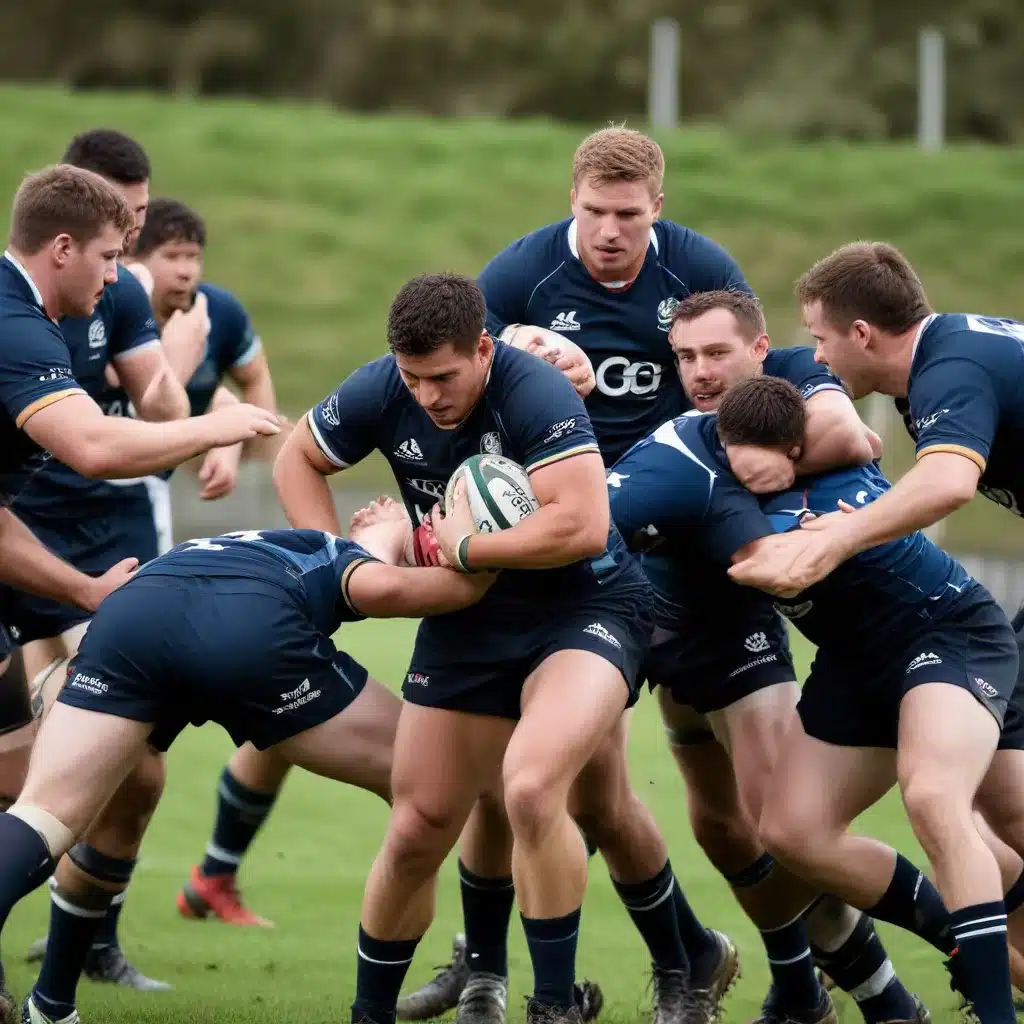
Building a Solid Foundation: The Beginner’s Path
As a seasoned rugby professional, I’ve witnessed countless individuals embark on the exhilarating journey from complete novice to experienced player. It’s a transformation that requires unwavering dedication, a willingness to learn, and an undying passion for the sport. Whether you’re a young aspiring athlete or an adult eager to try a new challenge, the path to becoming an accomplished rugby player is one filled with both challenges and immense personal growth.
The first step on this transformative journey is to embrace the role of a beginner. This means leaving any preconceived notions or expectations at the door and approaching the sport with an open mind and a genuine desire to learn. Joining a local rugby club or attending beginner-friendly training sessions is an excellent way to lay the foundation for your skills. Here, you’ll be surrounded by experienced coaches and seasoned players who can guide you through the fundamental techniques, from passing and tackling to rucking and maneuvering.
Mastering the Basics
One of the most crucial aspects of your early rugby journey is mastering the basic skills. This includes developing a strong grasp of ball handling, footwork, and body positioning. Consistent practice and drills will help you build the muscle memory and spatial awareness needed to thrive on the pitch. As you progress, you’ll also need to familiarize yourself with the rules and regulations of the game, ensuring you understand the nuances of play and can make informed decisions during matches.
Alongside the technical aspects, it’s essential to focus on your physical conditioning. Rugby is a high-intensity sport that demands a combination of strength, agility, and endurance. Incorporating strength training, cardiovascular exercises, and sport-specific drills into your routine will not only improve your on-field performance but also reduce the risk of injury.
Embracing the Challenge: Transitioning to the Intermediate Level
As you gain confidence and experience, the next phase of your journey will involve transitioning to the intermediate level. This is where the true test of your dedication and resilience begins. The challenges you’ll face will push you beyond your comfort zone, forcing you to adapt and evolve as a player.
Developing Positional Awareness
One key aspect of this intermediate stage is developing a deeper understanding of your position and its specific responsibilities. Whether you’re a forward, a back, or a utility player, you’ll need to learn the intricacies of your role and how it fits into the overall team strategy. This includes mastering set-piece plays, understanding defensive and offensive patterns, and anticipating the flow of the game.
Improving Game Sense and Decision-Making
As you become more comfortable on the pitch, you’ll need to hone your game sense and decision-making abilities. This involves reading the game, anticipating your opponents’ moves, and making split-second choices that can turn the tide of a match. Attending regular training sessions, analyzing match footage, and receiving feedback from coaches will all contribute to this critical skill development.
Embracing the Physical Demands
The physical demands of rugby only intensify as you progress to the intermediate level. Expect to encounter more intense contact, increased speed of play, and greater endurance requirements. Dedicating time to strength and conditioning training, as well as implementing recovery strategies, will be essential in maintaining your performance and resilience.
Reaching New Heights: The Experienced Player’s Journey
Once you’ve mastered the intermediate-level skills and developed a strong foundation, you’ll be poised to embark on the final stage of your transformative rugby journey: becoming an experienced player. This is where the true magic happens, as you harness your knowledge, skills, and experience to elevate your game to new heights.
Diversifying Your Skill Set
As an experienced player, you’ll have the opportunity to expand your skill set beyond the basics. This might involve developing more advanced techniques, such as tactical kicking, line-breaking maneuvers, or specialized set-piece plays. Continually challenging yourself to learn and adapt will keep your game sharp and your opponents guessing.
Becoming a Leader and Mentor
With your newfound expertise, you’ll have the chance to take on a leadership role within your team. This could involve mentoring younger or less experienced players, sharing your knowledge and insights to help them reach their full potential. By fostering a positive and supportive team environment, you’ll not only contribute to the success of your club but also leave a lasting impact on the next generation of rugby enthusiasts.
Embracing a Holistic Approach to the Sport
As an experienced player, your journey goes beyond just the on-field performance. You’ll need to adopt a holistic approach to the sport, understanding the intricacies of club operations, match analysis, training methodologies, youth development, women’s rugby, and community outreach. By broadening your perspective, you’ll become a well-rounded rugby professional, capable of contributing to the growth and success of the sport at all levels.
Harnessing Global Insights and Best Practices
Throughout your journey, it’s crucial to stay attuned to the ever-evolving landscape of rugby, both locally and globally. Seek out opportunities to learn from international experts, attend coaching clinics, and immerse yourself in the latest training and match strategies. By staying up-to-date with global best practices, you can incorporate innovative approaches into your own club’s operations, ensuring that your players and community remain at the forefront of the sport.
Remember, the path from novice to experienced rugby player is not a linear one. It’s a dynamic journey filled with ups and downs, victories and setbacks. But with unwavering commitment, a growth mindset, and a deep passion for the sport, you can transform yourself into a respected and influential figure in the rugby community.
As you embark on this transformative journey, remember the wise words of the Aberdeenshire RFC motto: “From the North, a Mighty Storm.” Embrace the challenges, celebrate the triumphs, and let your rugby journey be the catalyst for a lifetime of personal growth and community impact.
Conclusion
In the ever-evolving world of rugby, the journey from novice to experienced player is one that demands resilience, dedication, and a constant pursuit of improvement. By embracing the fundamentals, tackling the intermediate-level challenges, and harnessing your expertise as an experienced professional, you can unlock your full potential and leave an indelible mark on the sport you love.
Remember, the path ahead may not be easy, but it is filled with immense personal growth, camaraderie, and the thrill of victory. Embark on this transformative journey with an open mind, a willingness to learn, and a deep-rooted passion for the game of rugby. The rewards that await will undoubtedly be worth the effort.
So, whether you’re just starting your rugby journey or seeking to elevate your game to new heights, I encourage you to embrace the challenge, stay true to your goals, and let the mighty storm of your rugby prowess sweep through the North.