
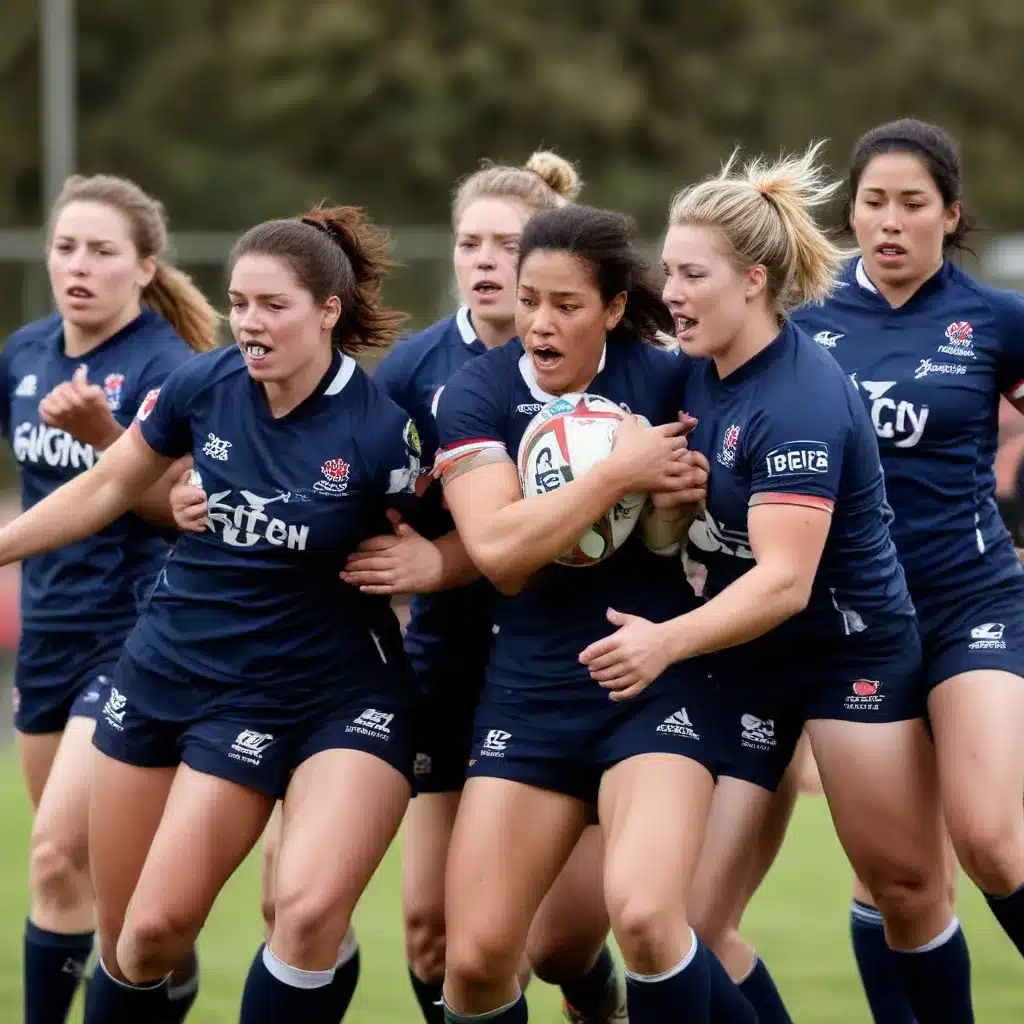
The Marginalization of Women’s Rugby
Societal Perceptions and Biases
Women’s rugby has long faced an uphill battle in gaining the same level of recognition and respect as the men’s game. Deep-seated gender stereotypes and misconceptions about women’s physical capabilities have cast a shadow over the sport, relegating it to the sidelines of mainstream sporting attention. Despite the incredible athleticism, skill, and passion displayed by female rugby players, societal biases continue to undermine the legitimacy of the women’s game.
The lack of media coverage and visibility afforded to women’s rugby has exacerbated these perceptions, making it challenging for the sport to break into the public consciousness. Without the same level of exposure and fanfare as the men’s game, women’s rugby has struggled to cultivate a strong following and secure the necessary resources and investment to truly thrive.
Historical Challenges
The marginalization of women’s rugby is rooted in a long history of underinvestment and limited access to the sport. For decades, female players have faced significant barriers to participation, from a lack of dedicated facilities and training opportunities to outright exclusion from mainstream rugby organizations. This systemic neglect has hindered the growth and development of the women’s game, making it an uphill battle to achieve parity with the men’s side.
Even as women’s rugby has gained more traction in recent years, the sport continues to grapple with disparities in resources, funding, and support. The constant struggle to secure adequate facilities, equipment, and coaching staff has placed an immense burden on the athletes themselves, many of whom must balance their passion for the sport with limited opportunities and financial constraints.
The Rise of Women’s Rugby
Growth and Participation
Despite the countless challenges, women’s rugby has experienced a remarkable surge in popularity and participation in recent years. Across the globe, the number of female players has skyrocketed, fueled by grassroots initiatives, community-driven programs, and a growing recognition of the sport’s inherent value.
From the introduction of dedicated youth development pathways to the establishment of regional and national teams, the women’s game has taken significant strides in expanding its reach and fostering a new generation of rugby enthusiasts. This sustained growth has not only increased the sport’s visibility but has also helped to challenge the longstanding stereotypes and biases that have historically hindered its progress.
Professionalization and Commercialization
Alongside the surge in participation, women’s rugby has also undergone a process of professionalization and commercialization, further bolstering its legitimacy and recognition within the sporting landscape. The emergence of professional leagues and high-profile tournaments has not only provided a platform for elite-level competition but has also attracted significant sponsorship and media attention.
As the sport gains a stronger commercial foothold, the potential for increased investment, improved infrastructure, and enhanced visibility becomes increasingly tangible. This evolution has the power to reshape public perceptions, showcasing the depth of talent and the sheer athleticism of female rugby players, and ultimately paving the way for greater equality and respect within the sport.
Achievements and Successes
The rise of women’s rugby has been marked by numerous achievements and successes, both at the individual and team levels. From historic tournament victories to the recognition of outstanding individual players, the women’s game has proven its ability to captivate audiences and command the spotlight.
Whether it’s the dominance of national teams on the international stage or the inspiring performances of trailblazing athletes, the accomplishments of women’s rugby have slowly but surely begun to challenge the long-held biases and stereotypes that have hindered the sport’s progress. As these achievements continue to accumulate, the path towards greater equality and representation becomes clearer and more attainable.
Challenges to Equality and Representation
Persisting Inequities
Despite the remarkable strides made by women’s rugby, significant inequities continue to persist, undermining the sport’s ability to achieve true parity with the men’s game. Disparities in funding, resources, and support remain a constant battle, as female players and teams struggle to secure the same level of investment and attention as their male counterparts.
The lack of parity in compensation and support structures is perhaps one of the most glaring examples of this ongoing inequality. While professional male rugby players enjoy lucrative salaries, sponsorship deals, and comprehensive training and medical resources, their female counterparts often find themselves in a precarious financial position, relying on personal or community-driven funding to sustain their participation in the sport.
Sociocultural Barriers
In addition to the tangible inequities, women’s rugby also faces a myriad of sociocultural barriers that have proven stubbornly resistant to change. Perceptions of the sport as a “lesser” form of rugby, rooted in outdated gender stereotypes, continue to undermine the legitimacy and respect afforded to the women’s game.
This deeply entrenched resistance to accepting women’s rugby as an equal and valid form of the sport has hindered the sport’s ability to gain widespread acceptance and support. Overcoming these societal biases and challenging the status quo requires a sustained, multifaceted effort, involving education, advocacy, and a fundamental shift in societal perceptions.
Media and Visibility
One of the most significant challenges facing women’s rugby is the persistent underrepresentation in mainstream sports coverage and media attention. Despite the remarkable achievements and growing popularity of the sport, female rugby players often find themselves relegated to the margins, overshadowed by the intense focus on the men’s game.
This lack of visibility not only perpetuates the perception of women’s rugby as a “niche” or “secondary” sport but also hampers the sport’s ability to cultivate a strong fan base and commercial appeal. Without consistent and prominent media coverage, it becomes increasingly difficult for the women’s game to build the kind of brand recognition and public support that is crucial for its long-term sustainability and growth.
Strategies for Advancement and Recognition
Grassroots Activism and Advocacy
To overcome the numerous challenges facing women’s rugby, a multifaceted approach is required, with grassroots activism and advocacy playing a crucial role. Community-based initiatives, spearheaded by passionate players, coaches, and supporters, have proven instrumental in driving the sport’s growth and visibility, challenging gender stereotypes, and lobbying for meaningful policy changes and institutional support.
From organizing local tournaments and clinics to amplifying the voices of female rugby players, these grassroots efforts have the power to create a groundswell of support and catalyze larger-scale transformations. By positioning women’s rugby as a vital and valuable component of the broader sporting landscape, these activists and advocates are helping to pave the way for greater recognition and equality.
Professionalizing and Commercializing the Sport
The ongoing process of professionalization and commercialization within women’s rugby also holds immense potential for advancing the sport’s recognition and status. The development of sustainable league and tournament structures, coupled with the attraction of sponsorships and media partnerships, can help to solidify the sport’s financial viability and elevate its profile within the global sporting arena.
As women’s rugby secures a stronger commercial foothold, the influx of resources and investment can translate into improved infrastructure, enhanced training and development opportunities, and increased visibility for the sport and its athletes. This, in turn, can help to challenge the longstanding perceptions of women’s rugby as a “lesser” or “niche” pursuit, ultimately fostering greater respect and acceptance within the broader sporting community.
Changing Societal Perceptions
At the heart of the quest for recognition and equality in women’s rugby lies the need to challenge and reshape deeply entrenched societal perceptions and gender stereotypes. By showcasing the sheer athleticism, skill, and passion of female rugby players, the sport can work to dismantle the misconceptions that have long hindered its progress.
Through strategic media campaigns, targeted educational initiatives, and the amplification of player narratives, the women’s rugby community can work to reframe the public’s understanding of the sport. By highlighting the sport’s unique qualities, celebrating the accomplishments of its athletes, and fostering a culture of inclusion and respect, the women’s game can gradually chip away at the biases and prejudices that have historically relegated it to the sidelines.
Conclusion: The Ongoing Fight for Equality and Respect
The journey towards greater recognition and equality in women’s rugby is far from over, but the sport’s remarkable progress and unwavering determination offer a glimmer of hope and inspiration. From the grassroots efforts of passionate advocates to the stunning achievements of elite-level players, the women’s rugby movement has cemented its place as a vital and valuable component of the broader sporting landscape.
As the sport continues to evolve and gain momentum, the path forward remains challenging, with persistent inequities and sociocultural barriers standing in the way of true parity. However, the resilience, skill, and sheer determination of the women’s rugby community have proven time and time again that progress is not only possible but inevitable.
By harnessing the power of grassroots activism, strategic commercialization, and a relentless commitment to changing societal perceptions, the women’s rugby movement is poised to overcome the stereotypes and biases that have long held it back. With the continued support of allies, advocates, and a growing legion of passionate fans, the future of women’s rugby shines ever brighter, paving the way for a more equitable, respected, and celebrated sport.