
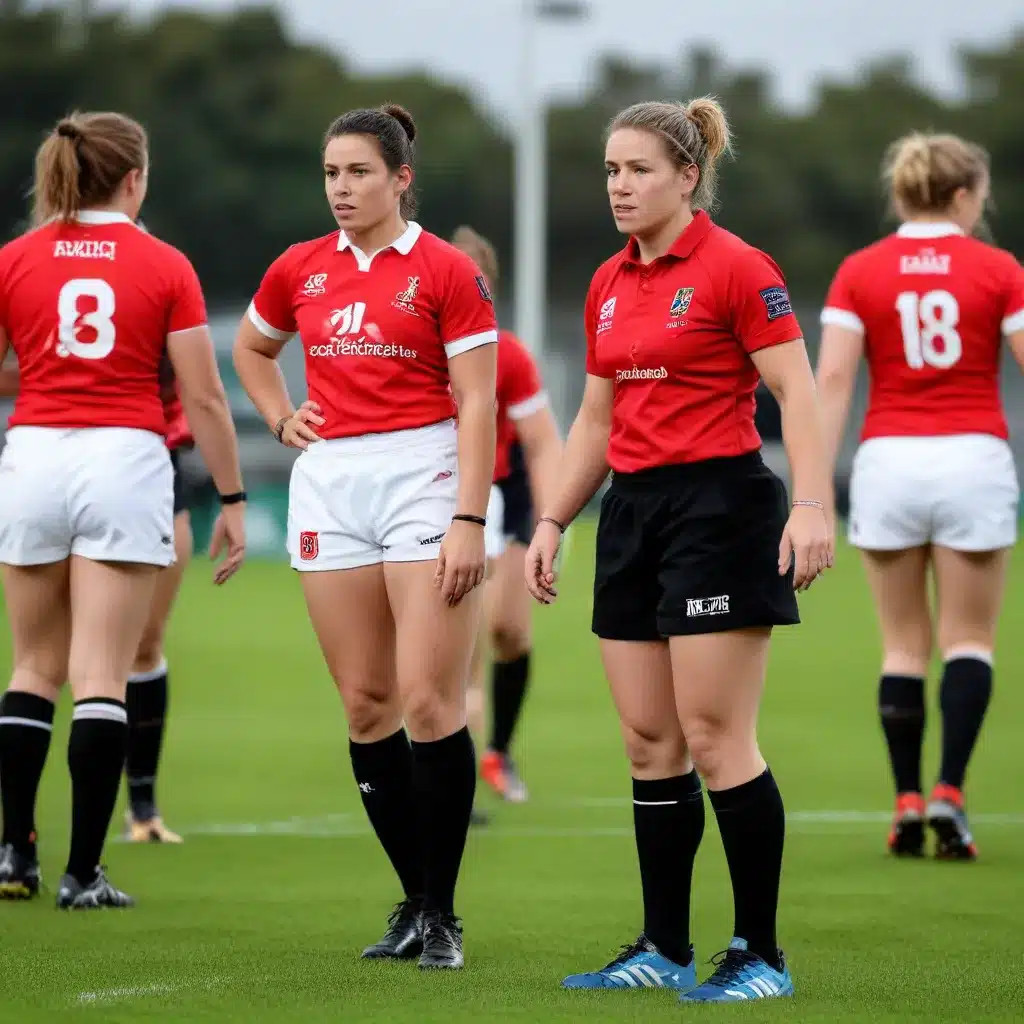
1. The Specifics of Women’s Rugby
1.1 Physiological Differences
Women’s rugby presents a distinct set of demands for referees compared to the men’s game. While the core laws and gameplay are fundamentally the same, the physiological differences between male and female athletes introduce unique challenges. On average, women exhibit lower muscle mass, less upper body strength, and a smaller stature compared to their male counterparts. This can impact the physicality and contact dynamics during women’s matches, requiring referees to have a keen eye for assessing dangerous play. Additionally, the endurance required to keep up with the game pace may differ, as studies show women generally have a higher percentage of slow-twitch muscle fibers, leading to enhanced aerobic capacity but potentially less explosive power.
1.2 Tactical Considerations
The tactical nuances of the women’s game also necessitate specialized refereeing approaches. Women’s rugby tends to feature a more open, running style of play with an emphasis on continuity and phase possession. Rucks and mauls may be less contested, and kicking from hand is often less frequent compared to the men’s game. Referees must be adept at reading the flow of the game, anticipating breakdowns, and maintaining a high level of communication with players to ensure the law interpretations align with the women’s style of play.
1.3 Psychological Factors
Beyond the physical and tactical differences, the psychological aspects of refereeing women’s rugby cannot be overlooked. Female athletes often exhibit a heightened emotional investment and sense of community on the pitch. Referees must be skilled in managing player interactions, defusing tense situations, and fostering an inclusive environment where open dialogue and mutual respect are paramount. Understanding the social dynamics and maintaining empathy can be crucial factors in effectively officiating women’s rugby.
2. Unique Challenges for Women’s Rugby Referees
2.1 Physicality and Contact
The relative differences in physicality between male and female rugby players can present unique challenges for referees. While the laws of the game remain the same, the execution and intensity of certain contact situations may vary. Referees must be adept at accurately assessing the legality of tackles, rucks, and mauls, ensuring player safety without unnecessarily disrupting the flow of the game. Maintaining a consistent interpretation of the laws is crucial, as female athletes may respond differently to the physical demands compared to their male counterparts.
2.2 Game Pace and Intensity
The open, running style of women’s rugby can result in a faster-paced game with fewer stoppages. Referees must possess exceptional fitness, agility, and anticipation to keep up with the game’s tempo and positioning. Quick decision-making, clear communication, and the ability to maintain composure under pressure are all essential skills for officials in the women’s game. Referees who struggle to match the pace of the match may find it challenging to effectively manage the flow of the game and maintain control.
2.3 Communicating with Players
The heightened emotional investment and sense of community in women’s rugby can also affect the dynamic between referees and players. Effective communication, empathy, and conflict resolution skills become paramount for officials. Referees must be able to engage with players in a manner that fosters trust, understanding, and mutual respect. This may involve adapting their communication style, using inclusive language, and demonstrating a nuanced approach to managing player interactions and complaints.
3. Officiating Techniques for Women’s Rugby
3.1 Adapting Positioning and Movement
Given the unique physical and tactical demands of the women’s game, referees must be adept at adjusting their positioning and movement patterns. Anticipating the open, running style of play and being able to maintain optimal sightlines for key contact situations require specialized techniques. Referees should focus on maintaining a dynamic presence on the pitch, moving fluidly to stay in close proximity to the action while avoiding unnecessary interference with the flow of the game.
3.2 Emphasis on Interpretative Refereeing
The women’s game often features a more fluid, continuous style of play, with fewer stoppages and set-piece situations. Referees must develop a keen eye for interpreting the laws of the game in real-time, applying them with a nuanced understanding of the women’s game. This may involve a greater emphasis on advantage play, maintaining advantage over strict adherence to the letter of the law, and recognizing the unique rhythms and patterns that emerge in women’s rugby.
3.3 Fostering an Inclusive Environment
Establishing an inclusive and welcoming environment is a crucial aspect of refereeing women’s rugby. Referees must be skilled in managing player interactions, defusing tensions, and promoting mutual respect and understanding. This can involve employing gender-inclusive language, actively seeking player feedback, and demonstrating a commitment to creating a safe and positive match experience for all participants.
4. Training and Development for Women’s Rugby Referees
4.1 Specialized Workshops and Clinics
To effectively address the unique demands of women’s rugby refereeing, specialized training programs and clinics are essential. These sessions should focus on equipping officials with the skills, knowledge, and practical experience needed to navigate the distinct physiological, tactical, and psychological aspects of the women’s game. Workshops covering topics such as interpretative refereeing, player management, and fitness for female officials can help referees develop a comprehensive understanding of the women’s rugby landscape.
4.2 Mentorship Programs
Alongside specialized training, mentorship programs can play a vital role in the development of women’s rugby referees. Pairing aspiring officials with experienced, respected referees in the women’s game can provide invaluable guidance, feedback, and support. Mentors can share their own experiences, offer insights into effective officiating techniques, and help mentees navigate the challenges and nuances of refereeing in the women’s rugby environment.
4.3 Continuous Learning and Feedback
Effective referee development in women’s rugby requires a commitment to continuous learning and feedback. Referees should actively seek opportunities for self-reflection, performance analysis, and constructive feedback from coaches, players, and fellow officials. This ongoing process of evaluation and improvement can help referees stay attuned to the evolving demands of the women’s game and continuously enhance their skills and decision-making abilities.
5. The Importance of Representation and Diversity
5.1 Role Models and Visibility
The presence of experienced, respected women’s rugby referees can have a profound impact on the development and growth of the sport. Seeing female officials in positions of authority and leadership can inspire the next generation of women referees, fostering a sense of representation and belonging. Increased visibility of women’s rugby referees can also help challenge societal biases and stereotypes, promoting gender equity and inclusivity within the sport.
5.2 Inclusive Recruitment and Retention
Proactive efforts to recruit and retain women’s rugby referees are crucial for the long-term sustainability and advancement of the sport. Targeted recruitment campaigns, mentorship programs, and supportive resources can help attract and retain a diverse pool of female officials. Strategies that address the unique challenges faced by women referees, such as providing specialized training, fostering a welcoming community, and ensuring equitable opportunities for advancement, can be instrumental in building a strong and diverse officiating corps.
5.3 Embracing the Unique Perspectives of Women Referees
Women’s rugby referees can bring a valuable and distinct perspective to the game. Their lived experiences, empathetic communication styles, and nuanced understanding of the women’s game can contribute significantly to the overall quality of officiating and the player-referee dynamic. By embracing the unique insights and approaches of female officials, rugby organizations can enhance the sport’s inclusivity, improve player-referee relationships, and foster a more holistic understanding of the game.
6. Challenges and Opportunities in Women’s Rugby Refereeing
6.1 Overcoming Societal Biases
The persistent societal biases and gender stereotypes that exist in the broader sports landscape can present significant challenges for women’s rugby referees. Overcoming the perception that refereeing is a male-dominated domain and proving their competence in the face of skepticism or discrimination requires unwavering commitment and resilience from female officials. Addressing these biases through education, advocacy, and strong representation can help create a more equitable and inclusive environment for women’s rugby referees.
6.2 Achieving Parity in Resources and Support
In many rugby environments, women’s competitions and officials may not receive the same level of resources, training, and organizational support as their male counterparts. Ensuring parity in areas such as professional development opportunities, fitness and nutrition programs, and performance analysis tools can be crucial for empowering women’s rugby referees and enabling them to thrive. Proactive efforts by rugby governing bodies and club organizations to invest in the growth and sustainability of the women’s game, including its officiating corps, can lead to significant dividends in the long run.
6.3 Inspiring the Next Generation of Women Referees
The success and visibility of women’s rugby referees can have a powerful ripple effect, inspiring the next generation of female officials to enter the sport. By serving as role models, mentors, and advocates, experienced women’s rugby referees can encourage young girls and women to pursue officiating, fostering a more diverse and inclusive refereeing landscape. This, in turn, can lead to greater representation, increased understanding of the women’s game, and a stronger, more sustainable officiating pipeline for the future of the sport.
The unique demands of women’s rugby refereeing require a multifaceted approach that combines specialized training, targeted development programs, and a commitment to fostering an inclusive and equitable environment. By embracing the distinct physiological, tactical, and psychological factors at play, rugby organizations can empower a new generation of women’s rugby referees to thrive and contribute to the continued growth and advancement of the sport. Through increased representation, specialized support, and a deeper understanding of the women’s game, the refereeing landscape can evolve to better reflect the diverse and dynamic nature of rugby.